Dive Brief:
- A 30-day comment period is open for the proposal to add HDPE rigid can and bottle carriers to the Recycled Materials Association’s ISRI specifications for inbound residential single and dual streams. ReMA’s Plastics Division and MRF Committee approved the addition last week.
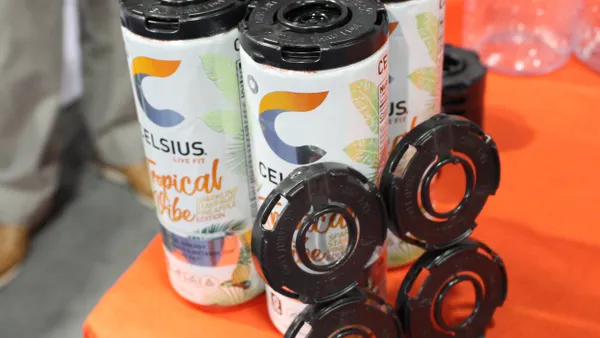
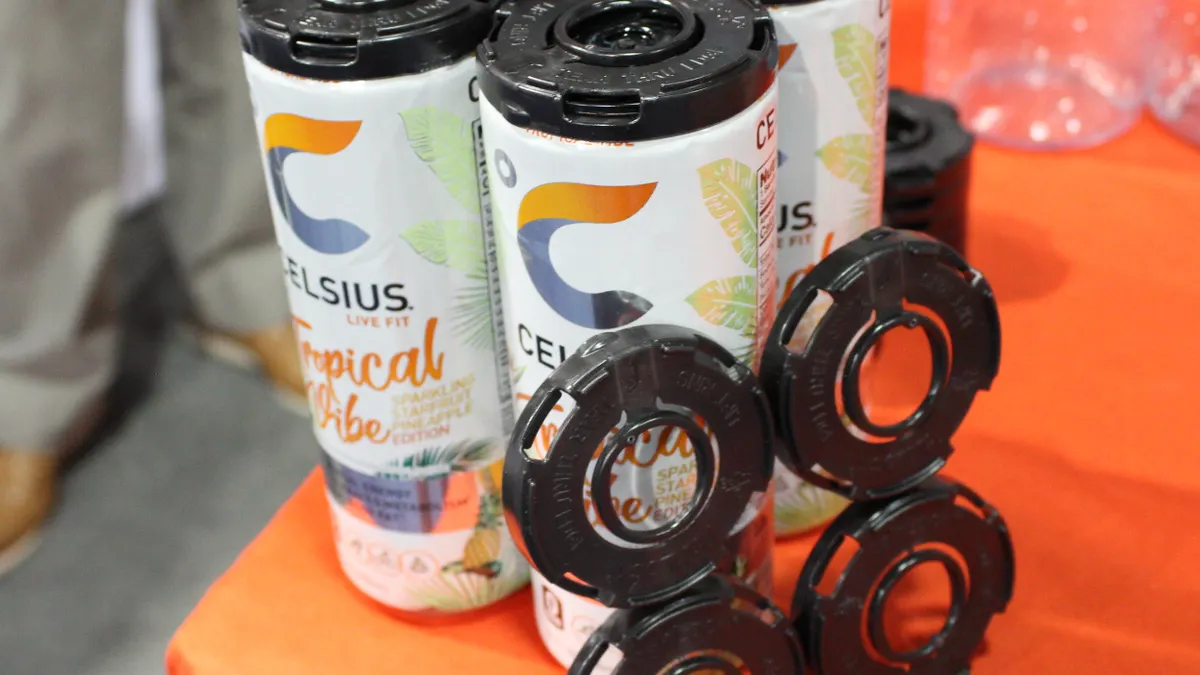
- PakTech, which manufactures beverage carriers made from 100% recycled HDPE, confirmed to Packaging Dive that it submitted a request in May 2025 for ReMA to consider adding a spec for this material and worked with the organization’s committees to advance the request.
- The comment period will close April 8 and is the final step in the monthslong process, according to Emily Sanchez, ReMA’s chief economist. If no challenges arise by that time, ReMA will then add and publicly post the new HDPE rigid beverage carriers spec.
Dive Insight:
If approved next month, the HDPE beverage carriers would represent the latest ReMA spec change that could enhance recycling options for packaging. ReMA also announced it approved spec revisions to paper stock guidelines.
ReMA’s ISRI specifications set standards for the quality of recycled materials and serve as guidelines for transactions between scrap material buyers and sellers. They are not mandates that recyclers must accept certain materials, but supporters say the specs can lead to wider acceptance of a material for recycling. The specs are used by both North American and international recycled material suppliers and consumers.
“They’re really important in trade transactions,” Sanchez said in an interview. “This is increasing information, this is reducing business costs.”
ReMA updates its specs on a rolling basis, and it accepts suggestions for new ones from both members and non-members. PakTech is a member and says it submitted the petition to add HDPE rigid beverage carriers due to the benefits specs provide to businesses along the value chain.
“We believe ReMA’s scrap specifications to be the ‘gold standard’ in giving recyclers information on what should and shouldn’t be in a bale of material,” Jonathan Levy, PakTech manager of sustainability and public policy, said via email. “Ensuring our products can be collected and easily recycled is a strategic goal of ours. One way to ensure our products are recycled is by having them listed as an acceptable material in the specifications.”
He noted that the relevance of the specs has broadened over time.
“ReMA’s specification is now being used by policy makers as a factor in determining what can be considered recyclable. Having our products included in the specification satisfies these criteria and help us communicate the recyclability of our products to other stakeholders,” Levy said.
Advancing to the comment period is not a guarantee that a material spec will be approved. Last year, opposition cropped up during the process to add paper cups, although that material ultimately was added to the specs list.
“The really cool thing about the specs is that it tries its best to be current and relevant. So it should be reflecting what's going on in the market,” said Sanchez.
She said this shows the dynamic nature of the recycling industry as well as which materials are accepted for recycling. HDPE beverage carriers, for example, are a relatively newer product gaining popularity and showing up more frequently in recycling streams.
“These carriers have, over a period of time, become more and more commonly used, compared to the thinner plastic ring carriers,” Sanchez said. But because the material hasn’t been on the inbound specifications list, “it causes confusion. There’s lack of clarity” about whether they’re actually recyclable at MRFs.
Amid public pressure and environmental concerns, industry has made concerted efforts in recent years to shift away from those thin plastic ring carriers. In addition to the rigid HDPE carriers that have emerged, more fiber alternatives are hitting the market and gaining share, including paperboard and molded fiber options.
The rigid plastic carriers typically are not listed on residential recycling acceptance lists, in part because their small size creates sorting complications. But as the use of these carriers grows, so have the efforts for better end-of-life management.
For instance, nearly 30 Chicago craft breweries and bottle shops banded together in 2022 to create the Chicagoland Reuse and Recycling Co-op, a group aimed at keeping rigid plastic can carriers out of landfills. The breweries served as collection sites for consumers to drop off the materials, which were sanitized and reused.
Other initiatives have been launched by the likes of Reusable Solutions, which formed to collect and reuse rigid plastic beverage carriers in parts of New England. And reuse marketplace Iterant also launched a can carrier collection initiative.
PakTech’s website offers a map of U.S. dropoff locations for the carriers so the material can be recycled or reused.
The company does not have immediate plans to request that other materials be added, but it encourages other manufacturers to submit petitions to ReMa for their products.
“It will help you understand how to make your products more sustainable and recyclable, and ultimately that helps the overall industry,” Levy said.