Partners involved in the Healthcare Plastics Recycling Council are working on a project this year to inform labeling for medical packaging to improve its chances of actually getting recycled. This would build on other HPRC sustainable design guidance.
The group, founded in 2010, is comprised of organizations across healthcare, products, packaging and waste management. Its focus on improving recycling in healthcare settings stems from notoriously low diversion in the sector. Less than 5% of healthcare plastics are mechanically recycled in North America and Europe, according to an estimate from Eunomia and Systemiq. HPRC has explored chemical recycling as an alternative.
As laid out in HPRC’s 2026 project road map, the goal of the labeling project is to develop a standardized approach to labeling flexible and rigid medical packaging materials across suppliers and medical device manufacturers, to improve identification, end-of-life separation and recyclability.
Alignment on labeling is critical to ensure credible sustainability claims, according to HPRC. “The project team will review and understand the current state of existing labeling practices to inform the development of labeling guidelines.”
The project has representation from healthcare players such as Ascension Health; medical device companies including Johnson & Johnson, Olympus and Stryker; as well as companies in materials and packaging including Amcor and Eastman.
Greyson Hammer, a healthcare project engineer at Plastic Ingenuity, and Mike Lutz, a principal packaging engineer focused on sustainability at medical device company Boston Scientific, serve as project leads. They hope the project will lead to proactive labeling guidance that manufacturers and suppliers can reference in sustainable design, “so that when appropriate infrastructure is established, the healthcare system, or end users,” know which materials can be collected and where, Hammer said.
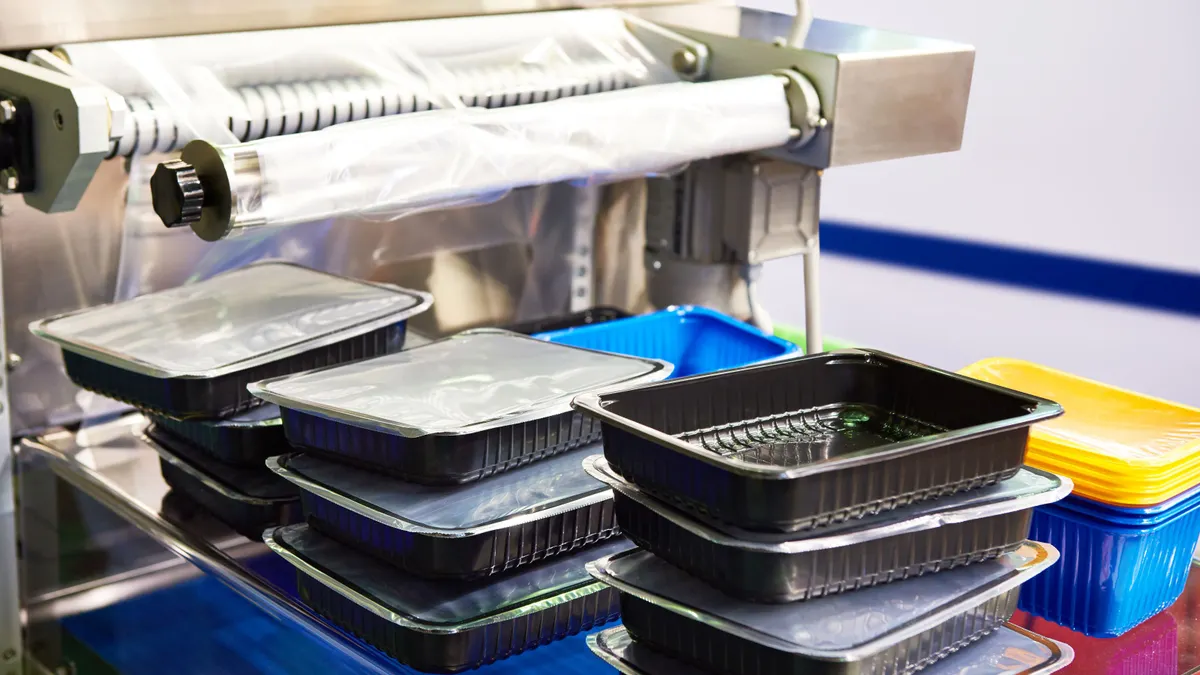
While some material-specific guidance exists, there’s not necessarily clarity on different packaging formats. One example is with a sterile barrier pouch, which may be comprised of the HDPE-based material Tyvek on one side and plastic film on the other. “There isn't anything specific providing guidance out there for how those types of film structures or packaging pouches should be labeled,” Hammer said.
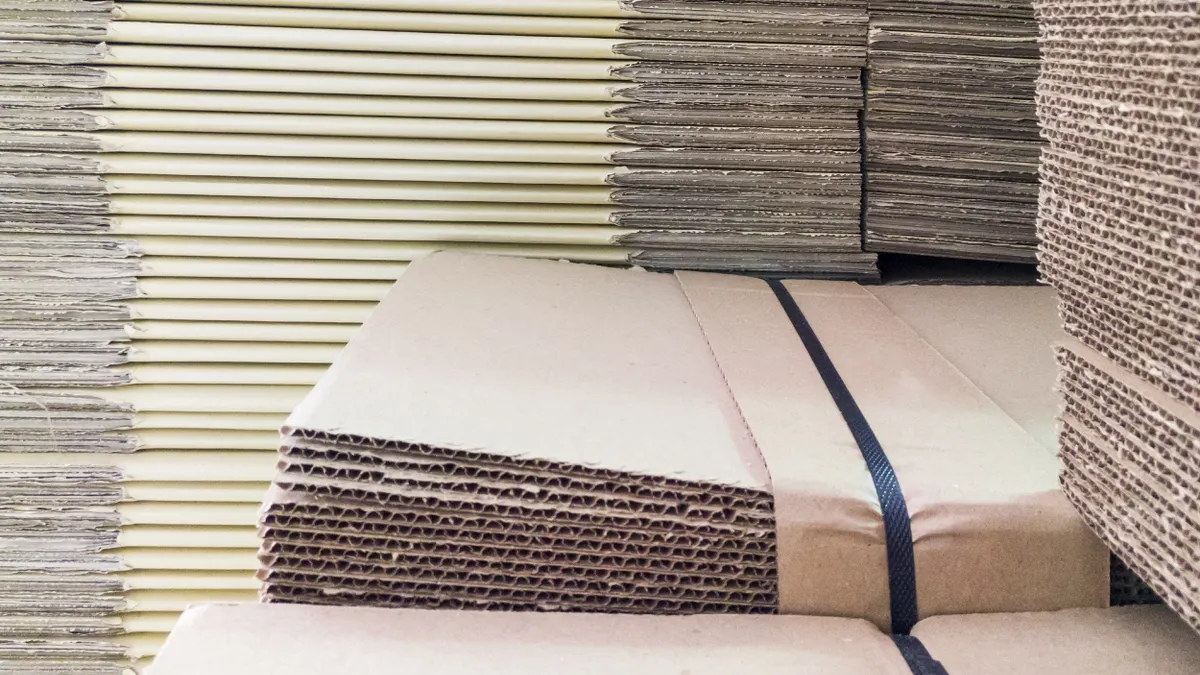
Lutz first raised the idea of launching this project. He sees opportunities when items are received at facilities: there are “places where materials like paperboard and corrugated and literature are commonly recycled.” In other stages, though, “a lot of the plastic packaging materials that are found kind of at the sterile barrier packaging level haven't necessarily been historically recycled.”
“Hospitals for the most part lack a lot of infrastructure just related to disposing and recycling of unique plastic packaging materials,” Lutz said. One of the bigger gaps is material identification, he said.
Other projects that HPRC has on deck include:
- Initiating a regional healthcare plastics recycling program in Houston — building on work from 2024 and 2025 — that can serve as a model program.
- Conducting a gap assessment and planning a refresh for HPRC’s Hospicycle tools.
- Informing and developing a map showing hospitals that are currently recycling, their recycling partners, and what materials are being recycled.
- Leveraging predictive analytics to develop a tool that can estimate the volume of plastic and recyclable material moving through a facility to make it easier to find partners and resources for packaging collection.