JBM Packaging experienced a milestone on April 11: The first person to be hired after completing the company’s in-prison training program at the London Correctional Institution in Ohio graduated from JBM’s Better Lives workplace coaching program for reintegrated employees.
JBM developed the training program at LoCI to teach incarcerated individuals technical skills and pave the way for their full-time hiring at the company upon their release from prison. JBM worked with the correctional facility for this initiative and installed envelope manufacturing equipment there for participants to train on as machine adjusters. Training occurs about 32 hours per week for six to 12 months prior to participants’ release.
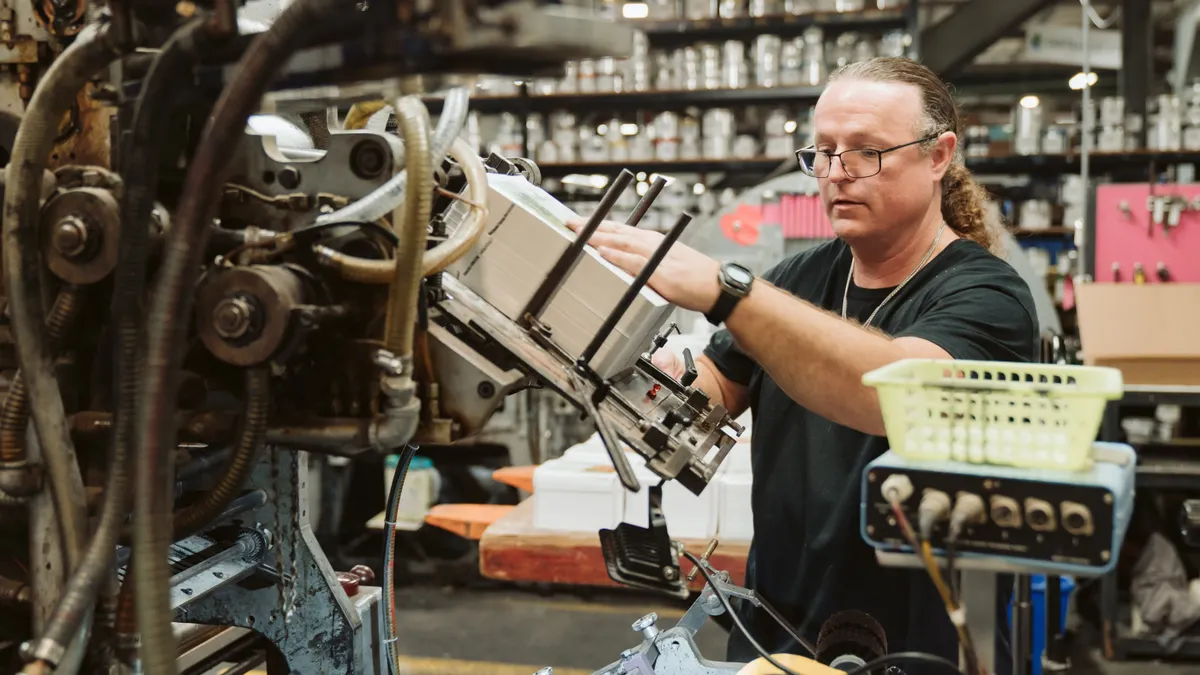
Billy Campbell was the first person JBM hired from that program, and he has worked full-time at the company for about a year.
“It did give me a solid foundation when I was able to leave the prison, so that I could work for JBM Packaging and be an asset to the company,” he said during an interview with Packaging Dive. “It’s really hard to get a job” upon release and “it felt good” to know one was awaiting, because after leaving prison “you don't know what to expect.”
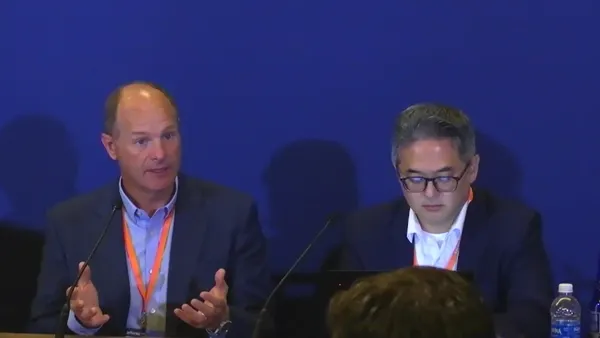
That uncertainty is pervasive for former inmates, who often struggle to land steady jobs. The inability to earn a living correlates to poverty for this group, as well as to recidivism. These themes repeatedly came up during the April 9 Second Chance Forum in Washington, D.C., which featured discussions about how such hiring programs drive success for individuals and businesses during Second Chance month and beyond.
“Nearly 75% of people released from prison are still unemployed a full year after release,” said Dane Linn, senior vice president of corporate initiatives at The Business Roundtable, at the event. This is “not because they’re not qualified. Not because there aren’t any jobs in this country — we have millions of open positions in this country,” but rather because the stigma of serving time in prison prevents people from being hired.
A growing number of manufacturers rely on second-chance hiring to fill the ranks amid ongoing labor shortages. However, the number is still relatively small in the grand scheme of things, speakers suggested, and the pool of formerly incarcerated individuals available for employment is significant.
“The reality is, there are plenty of people that are available if we open our eyes to understand where those people are sitting,” said Julie Benadum, executive vice president at Randstad USA, during the Second Chance Forum.
Approximately 85% of human resources professionals report employees with criminal records perform the same or better than those without, Linn said. JBM has reported the same, in addition to employee churn being lower among those hired via the fair chance program. That trend is commonly seen across businesses that do second-chance hiring.
“Someone who’s been judicially involved, they are 70% less likely to turn over than someone who isn’t,” said Joe Fuller, professor of management practice at Harvard Business School, at the event. “Turnover is really expensive.”
JBM Packaging believes paying participants a fair wage is a critical part of its on-site training initiative at LoCI.
“That was a big stepping stone,” Campbell said, noting that after paying off some bills, he had earned more than $5,000 through the program. Immediately upon release, he was able to purchase some essentials for reintegration, including a car, a phone and clothes. By comparison, “a lot of people in prison, they walk out the doors and all they get is like $25, $30 and a bus ticket. It's next to nothing,” he said.
Although Campbell had previous factory experience, this was his first with packaging manufacturing. He uses the training daily in his full-time job as a packaging machine technician.
“It seems like an easy concept, but it's very complex. ... You constantly have to make adjustments and [monitor] pressures,” he said. “I’ve learned by experience.”
Even before launching the on-site prison training program, JBM Packaging had been hiring formerly incarcerated people for years. The company currently has 162 employees, roughly 40% of which are fair chance employees. Its workplace initiative has expanded over time to include a variety of holistic services, including life coaching, conflict resolution, working on a team, purchasing a vehicle and engaging in healthy relationships.
Including Campbell as the original, three people now have completed the machine adjuster training program at London Correctional Institution; JBM hopes for a fourth by year’s end. LoCI participants have produced more than 1 million envelopes so far.
“I wish there was more programs out there like that,” Campbell said. “There's a lot of people [in prison] that are very educated ... but they don't really have the opportunity.”