Companies constantly innovate and redesign their packaging to boost performance, enhance sustainability and improve marketability. Here’s a look at five recent packaging product launches or revamps on Packaging Dive’s radar.
Dawn of a new bottle
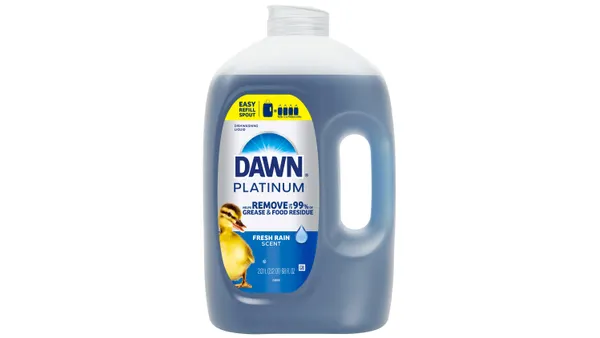
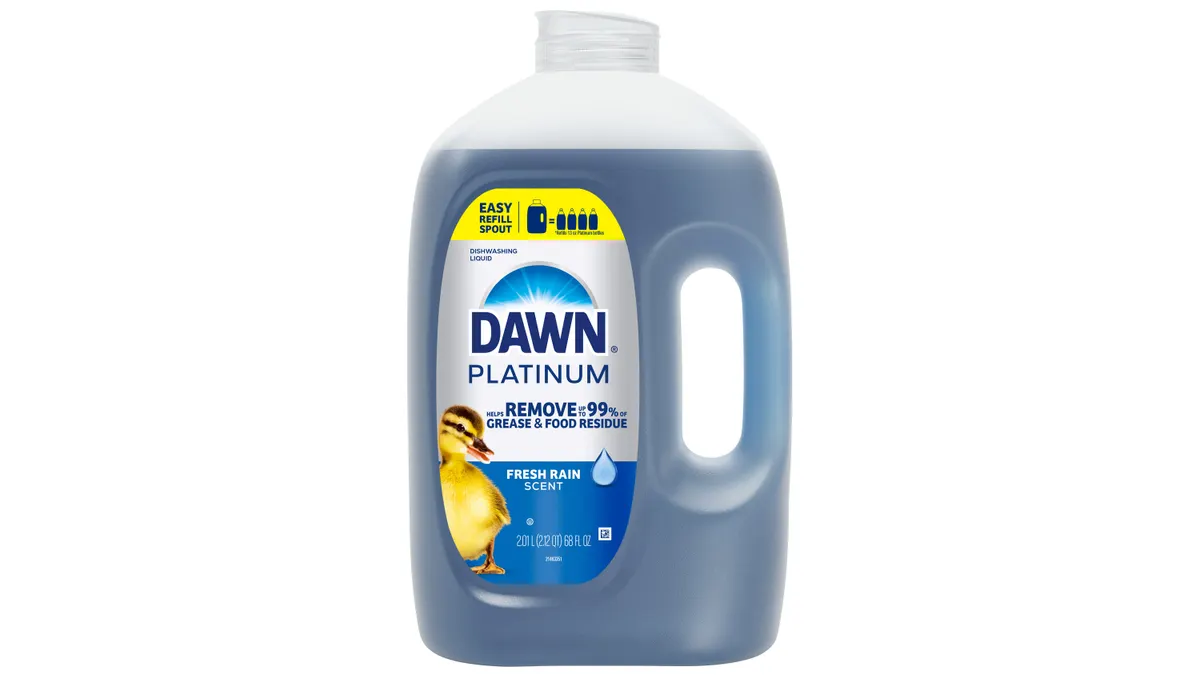
Procter & Gamble brand Dawn unveiled a new refill jug for its Platinum formula dishwashing soap. Few households use refill jugs despite the time and money savings, according to P&G research, and the company wants its upgraded refill system to help increase that.
The revamped jug is meant for refilling smaller Dawn squeeze bottles. The newly engineered easy-pour spout is compatible with the small bottles and guarantees an “easy, mess-free refill,” according to a news release. The jug also features an ergonomically redesigned handle that, together with the redesigned spout, pours 37% faster than previous models, the company says.
“Time is valuable, and the last thing anyone needs is a slow, messy refill process standing between them and a clean kitchen,” said Angelica Matthews, brand vice president for North America dish care at P&G, in a statement.
P&G also upgraded the soap formula inside the packaging. The new jugs are now available at stores nationwide and online.
Three is a magic number
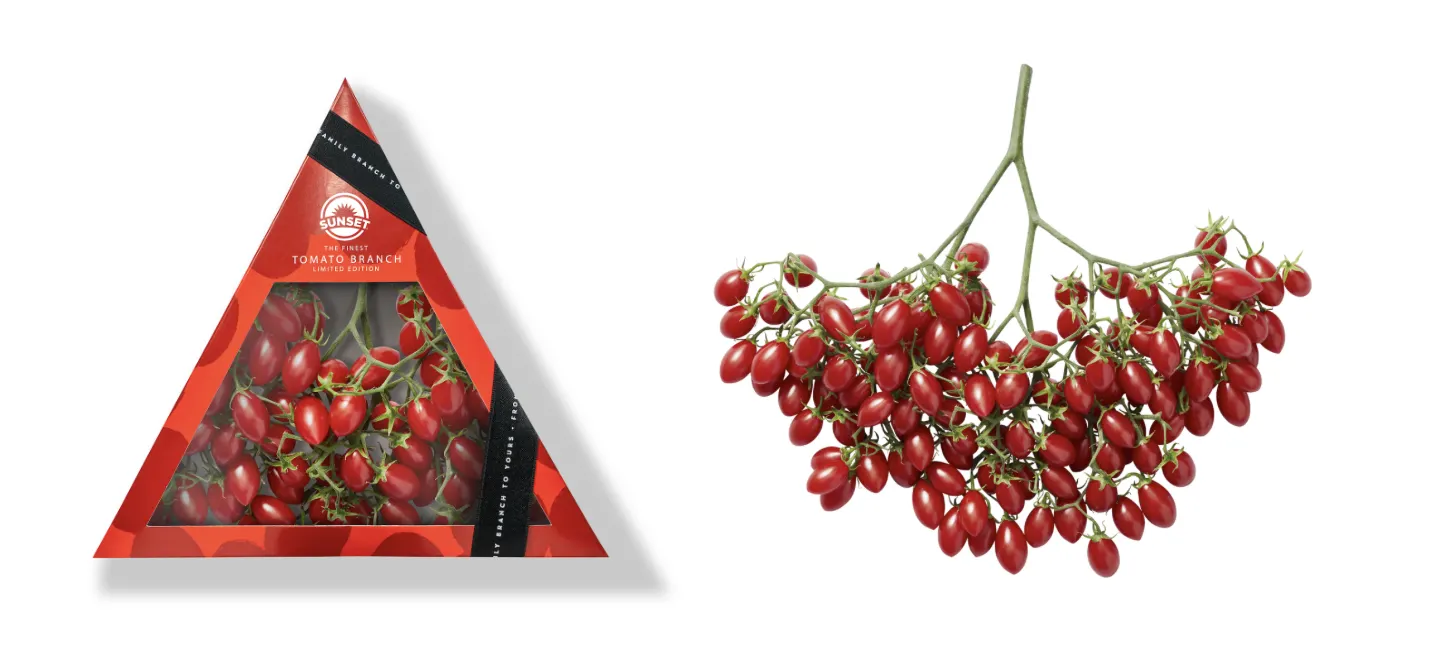
Mastronardi Produce is taking a side off of tomato containers with a triangle-shaped paperboard package for its new Sunset Tomato Branch. The food product inside is a branch of on-the-vine micro-grape tomatoes, and the triangular container mirrors the natural way tomatoes grow, a spokesperson said via email.
The carton extends shelf life and fits into existing retail systems, according to the spokesperson. The container uses premium finishes to signal a “luxury experience,” while remaining recyclable.
The product recently launched in the U.S., Canada and the U.K.
Out of the blue
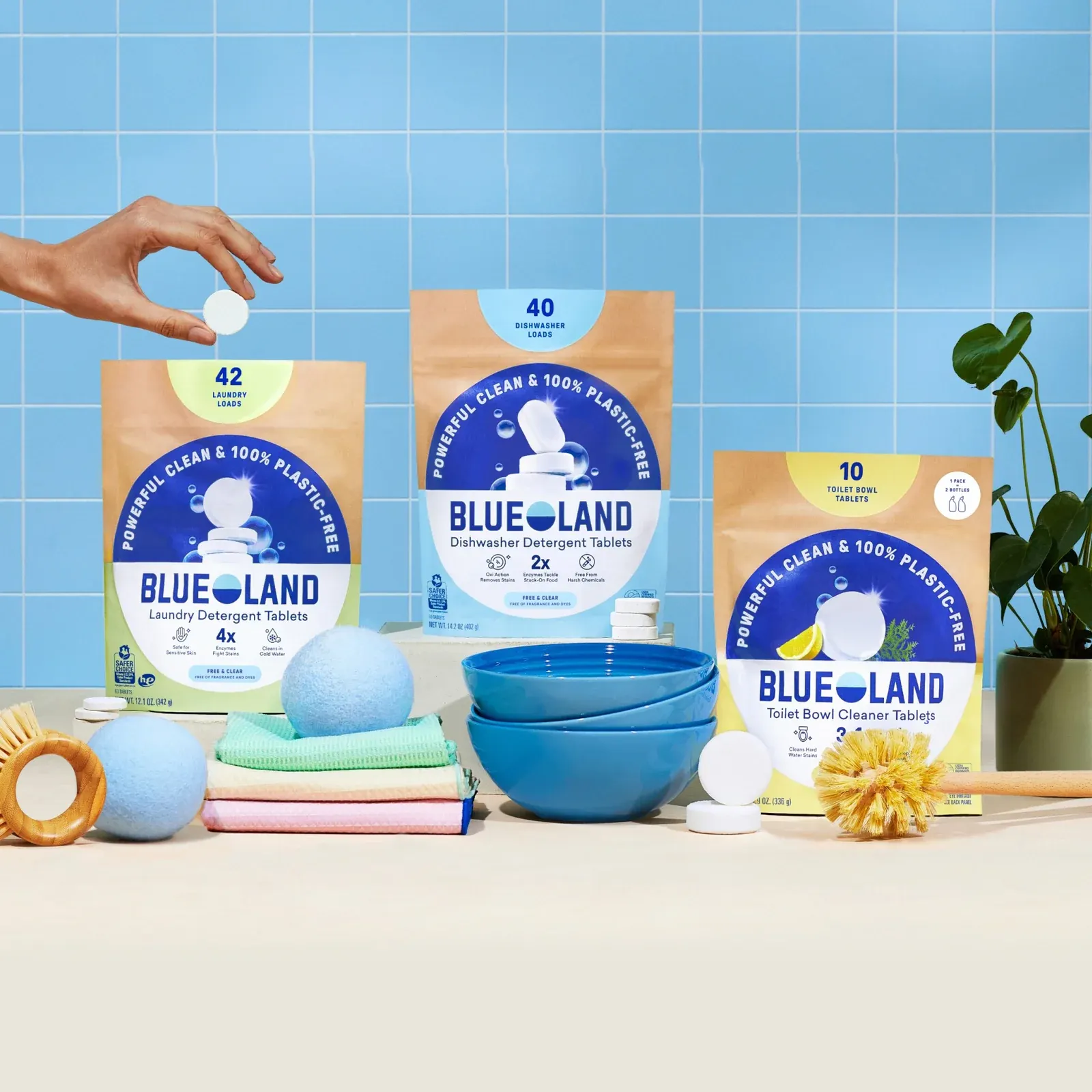
Blueland made changes to the packaging for its household cleaner tablets, noting it altered its pouches in response to customer feedback.
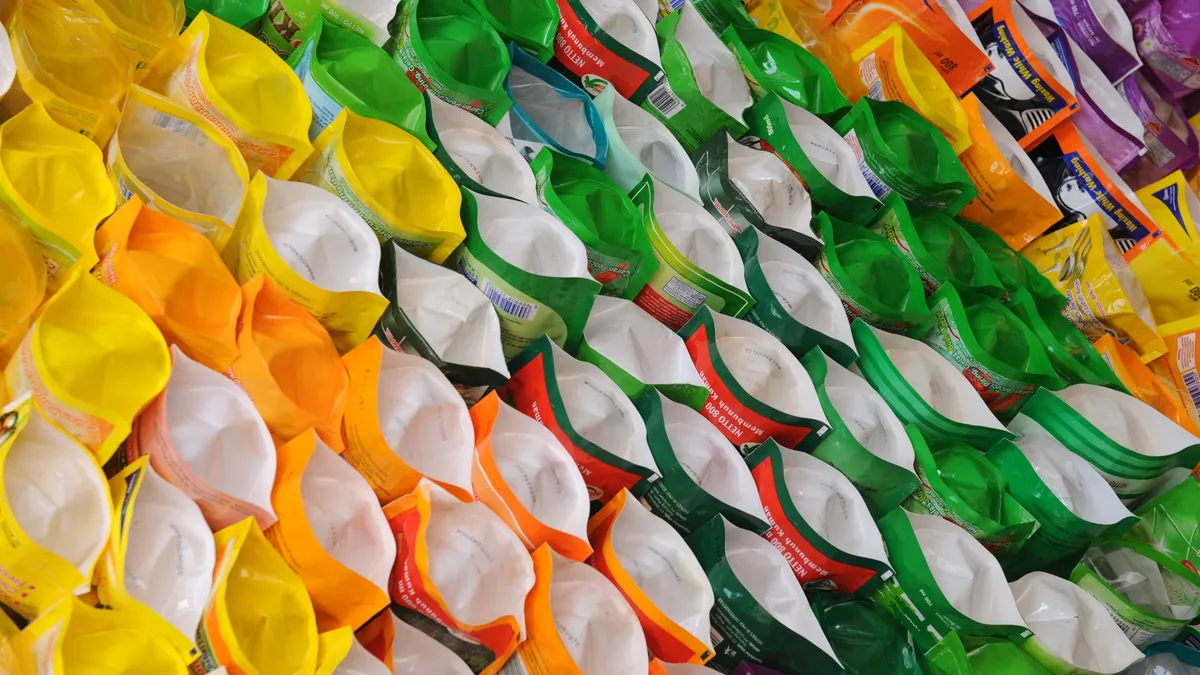
The company introduced a resealable pouch to replace its original tear-open pouch, and the new one is still industrially compostable — even the plant-based zipper — according to a news release.
Blueland says the pouch is “not made from conventional petroleum-based plastic.” It is designed to break down in the heat and microbial conditions of commercial composting, not curbside recycling, according to the company.
The new pouch also has a flat-bottom design so it can stand upright. While the original design was primarily intended to refill the brand’s reusable tins, the new pouch can be used on its own or with the tins.
“Through extensive material testing and supplier collaboration, we optimized the pouch material to reduce total paper and liner thickness (moving from a 3-layer to a 2-layer pouch) while still achieving the same barrier properties to protect the quality of the product inside,” the March announcement states.
Cap it off
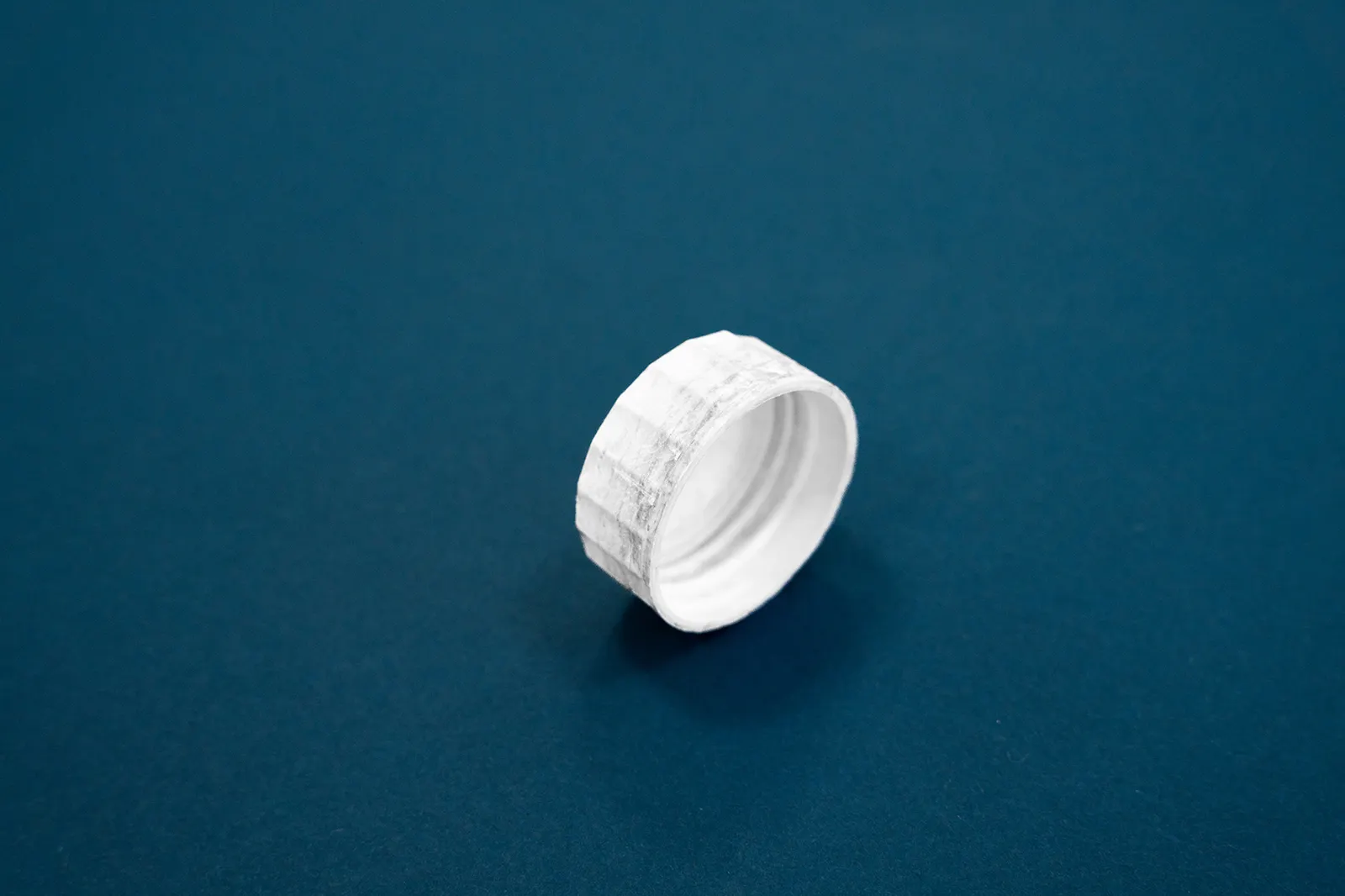
PulPac is developing a new generation of bottle caps that resemble plastic but are made from the company’s dry molded fiber. The caps look and feel like plastic, and they sound like it when tapped, according to PulPac.
Initial versions of the caps have been tested in real-life environments. Early results show promise for thread engagement, opening and closing functionality and sealing architectures, the company said in a news release.
“When we show the cap to customers, the reaction says a lot. The first response is often disbelief that they’re made from fiber,” said Chief Technology Officer Charlotte Walldal in a statement. “It’s unexpected and something you need to experience firsthand to fully understand.”
Nailed it (or not)
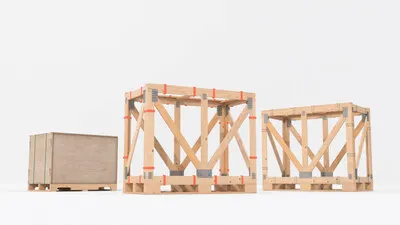
UFP Packaging launched two industrial crate systems engineered to be assembled without using a nail or staple gun. These designs improve workplace safety and efficiency, the company said in a news release.
“Even in mature markets like crating, innovation can meaningfully improve how work gets done,” said Robert Bilbrough, UFP Packaging director of product development, said in a statement.
The Slot-Lock product is a closed-style crate that uses CNC-routed interlocking panels. It secures with strapping. This crate is suitable for aerospace and defense components, medical technology equipment and sensitive electronics, according to the company.
Clamp-Lock 100 is an open-style crate. It uses patent-pending steel L-bracket fasteners meant to be applied by hand during assembly, and could be used for commercial equipment, building materials and infrastructure components, the company says.