The numbers are in.
The California Department of Resources Recycling and Recovery released its annual update to the covered material categories list for SB 54, the law behind the state’s upcoming extended producer responsibility for packaging program and source reduction goals. For the first time, that document listed a recycling rate determination for each category, with cardboard and glass getting the strongest marks.
CalRecycle estimated these recycling rates as the percentage of overall covered material recycled and disposed in 2024. A separate study that CalRecycle released in 2025 found that Californians disposed of nearly 8.5 million tons of single-use packaging and food ware in 2024, with 40 million tons of total material sent to landfills. About 21% of that was material that will be covered under SB 54.
The agency noted that these newly shared recycling rates do not take into account whether material reaches responsible end markets, a tenet of SB 54, “given that responsible end markets have not yet been identified for the purposes of the Act.” Additionally, multiple categories had insufficient information to determine a recycling rate, CalRecycle noted.
These are some select category highlights:
How much glass, metal and paper gets recycled in California?
Materials with insufficient information to calculate a recycling rate included small paper or metal items.
On plastics, SB 54 stipulates that 65% of single-use plastic packaging and food service ware must be recycled by 2032, and 100% of single-use packaging and plastic food service ware must be recyclable or compostable by that same year.
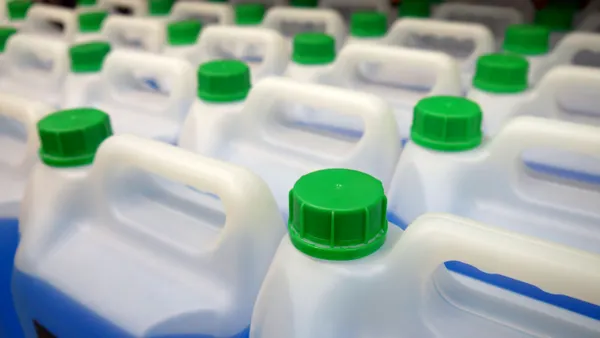
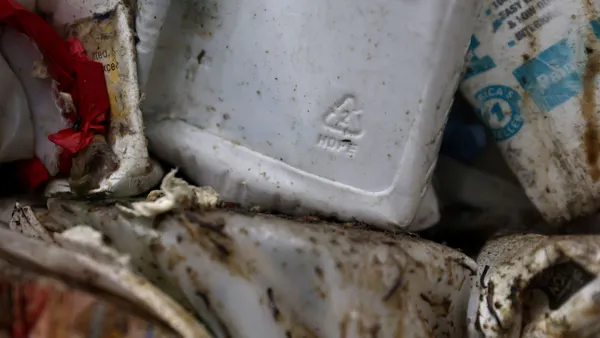
How much plastic gets recycled in California?
According to a December update from Circular Action Alliance, the producer responsibility organization for California’s packaging EPR program, implementation is on track to start in January 2027. CalRecycle submitted SB 54 regulations to the Office of Administrative Law in November.