Dive Brief:
- An affiliate of private equity firm CD&R completed its acquisition of Sealed Air, the company disclosed Thursday. Sealed Air noted in a Thursday securities filing that it paid shareholders approximately $6.3 billion for the deal, which has an overall enterprise value of $10.3 billion.
- Sealed Air is now a privately held company and has ceased trading on the New York Stock Exchange. It will continue to operate by its name and be headquartered in Charlotte, North Carolina.
- CD&R says it is committed to supporting Sealed Air’s growth in its two main business segments: protective and food packaging.
Dive Insight:
This transaction, first announced in November, caps off a long period of change for the packaging company. Sealed Air shareholders in February voted in favor of the acquisition by CD&R, and in March the company announced that it had received all necessary regulatory approvals.
Sealed Air President and CEO Dustin Semach said in a statement Thursday: “With CD&R's partnership, we will accelerate our strategy by investing in innovation and expanding our capabilities, enabling us to operate with a longer-term view and deliver even greater value to our customers and employees.”
The company has endured a bumpy road in recent years amid changing strategies, leadership reworks and sometimes challenging earnings performances. Some observers say sales challenges have been due in no small part to large customers such as Amazon reducing or switching up their packaging, such as eliminating air pillows — Sealed Air’s namesake product.
Executives reported during a November earnings call that Sealed Air was making progress on its turnaround, with Semach pointing to a “positive inflection” in the protective packaging business’ volumes for the first time since 2021. In March, the company reported that it had reduced debt by about $300 million in 2025 compared with 2024, bringing the 2025 net leverage ratio down to 3.2x from 3.6x the year prior.
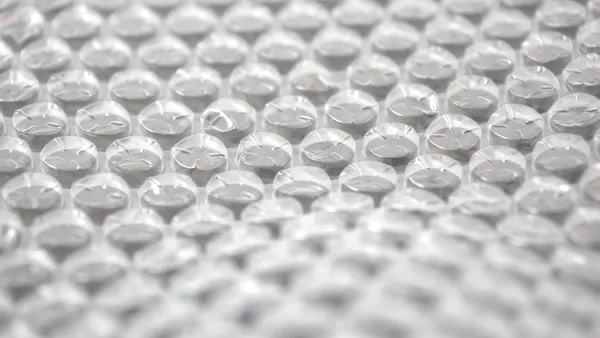
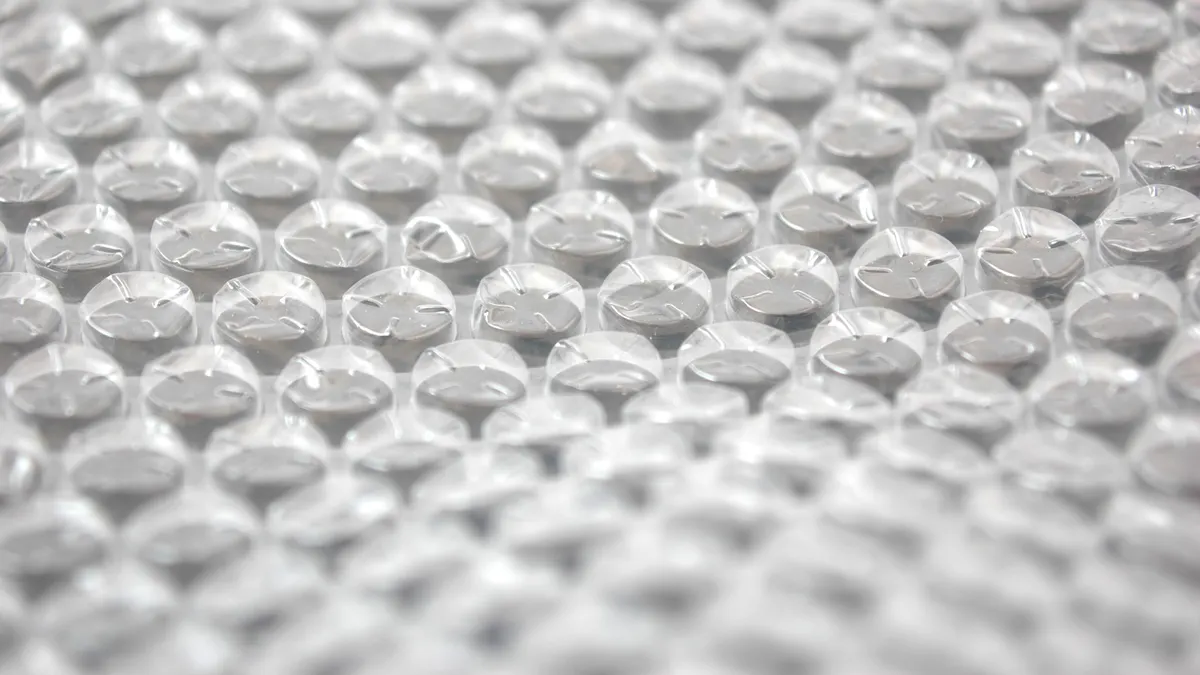
Despite Sealed Air’s struggles in recent years, analysts repeatedly have pointed to its strong brands in a variety of markets, such as Autobag, Bubble Wrap, Cryovac and Liquibox. The full value of those hasn’t been realized yet, said Cael Pulitzer, managing director who leads the packaging investment banking practice at Brown Gibbons Lang & Co., during a conversation with Packaging Dive in January.
“So whether CD&R tries to optimize the combination or carves one or two or three of them out as standalone entities, that’s to be determined,” he said.
Analysts are watching closely to see how CD&R folds Sealed Air into its portfolio and whether it chooses to split up the packaging company. In the past, CD&R has shuffled its portfolio companies — or some of their business segments — to combine those parts with its other companies, Pulitzer said.
That potential for spinning off Sealed Air brands reportedly ruffled feathers last month during the financing process, Bloomberg reported. Shareholders pushed back on the JPMorgan-led financing package, which involved nearly $7.2 billion in loans and bonds, with the possibility of a company breakup posing a leading concern. Investors reportedly viewed a company split as leaving them with a weaker asset pool backing their debt.
Bloomberg noted that investors in general currently have less appetite for risk due to economic concerns, including effects of the Iran war. The Sealed Air deal is viewed as a test case for private equity financing in 2026, according to multiple reports.
Sealed Air’s has made numerous leadership changes in the last couple years. In December, it hired Russell Grissett, a former Sonoco executive, as president of the global food business. In November, the company announced Kristen Actis-Grande as its new CFO.
The top spot alone has seen its share of switches, with Semach taking over as CEO in February 2025 following the departure of Patrick Kivits, who served for less than a year. Kivits had replaced Ted Doheny, who stepped down in October 2023.