Even though International Paper had a particularly heavy outage schedule during the second quarter, roughly double typical levels, the company saw improvements in performance, said CEO Andy Silvernail during Thursday’s earnings call.
He credited the ongoing work on the company’s optimization plan despite various economic and geopolitical challenges, such as the war with Iran and input cost inflation, mainly for OCC.
Per-day box volumes in North America increased 1.7% year over year. Mill performance improved by approximatedly 500 basis points year over year. However, demand was “softer than we had expected” and inflation was significantly higher, Silvernail said, prompting the company to rework its expectations for demand growth in 2026.
Certain regions showed particular weakness, such as in California where produce sales took a hit. That largely stems from concerns about the cyclosporiasis parasite outbreak believed to be tied to certain fresh produce that’s creating headwinds going into Q3.
Business split update
IP’s plan to split the company into two geographically-oriented businesses is reportedly on track to occur by early next year, as announced in January.
Also, as suggested earlier this year, IP has accelerated ongoing cost removal actions in the Europe, Middle East and Africa region ahead of the split. To date, the company has achieved more than $210 million of run-rate savings in EMEA from closing 31 facilities and an office and from reducing headcount in the region by more than 3,000.
Silvernail thanked employees working on the split for the huge amount of effort they’re putting into it, on top of performing their everyday duties. “We have gone through a lot of change at IP and we have more change to go through. And people have stepped up,” he said.
4 investments
Capital saved from the multitude of facility closures and employee separations during the last 18 months has been reinvested in areas with greater opportunities for returns, Silvernail said. He provided updates on four North American investments: two acquisitions and two facility build-outs.
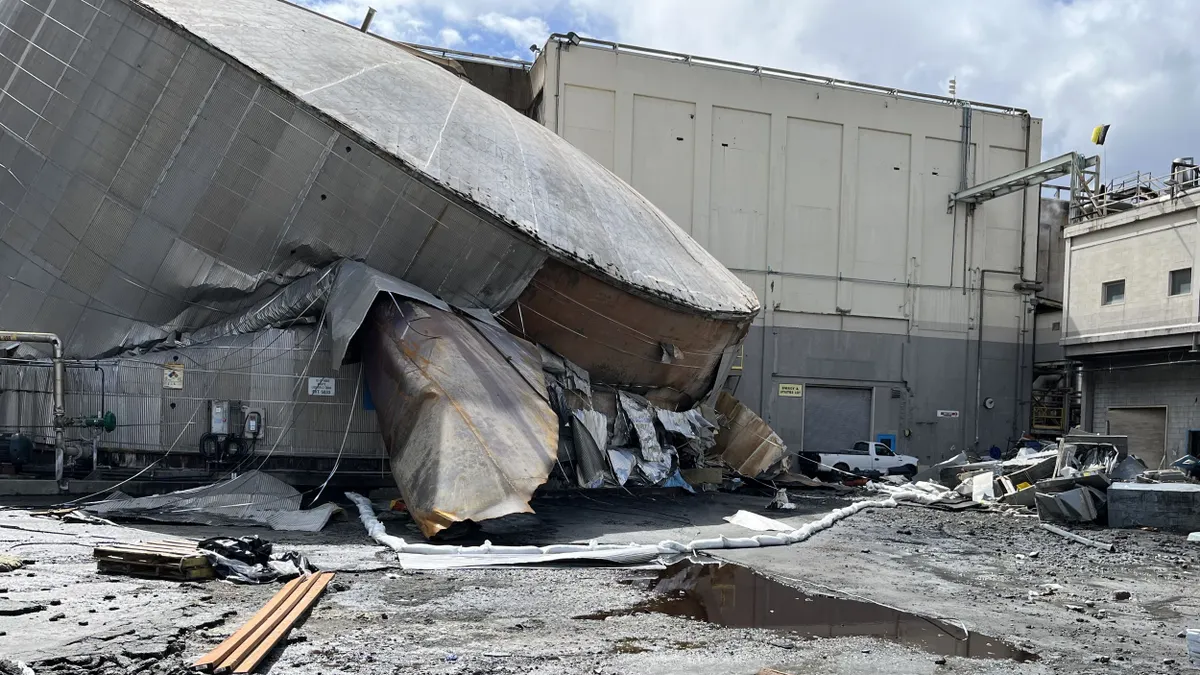
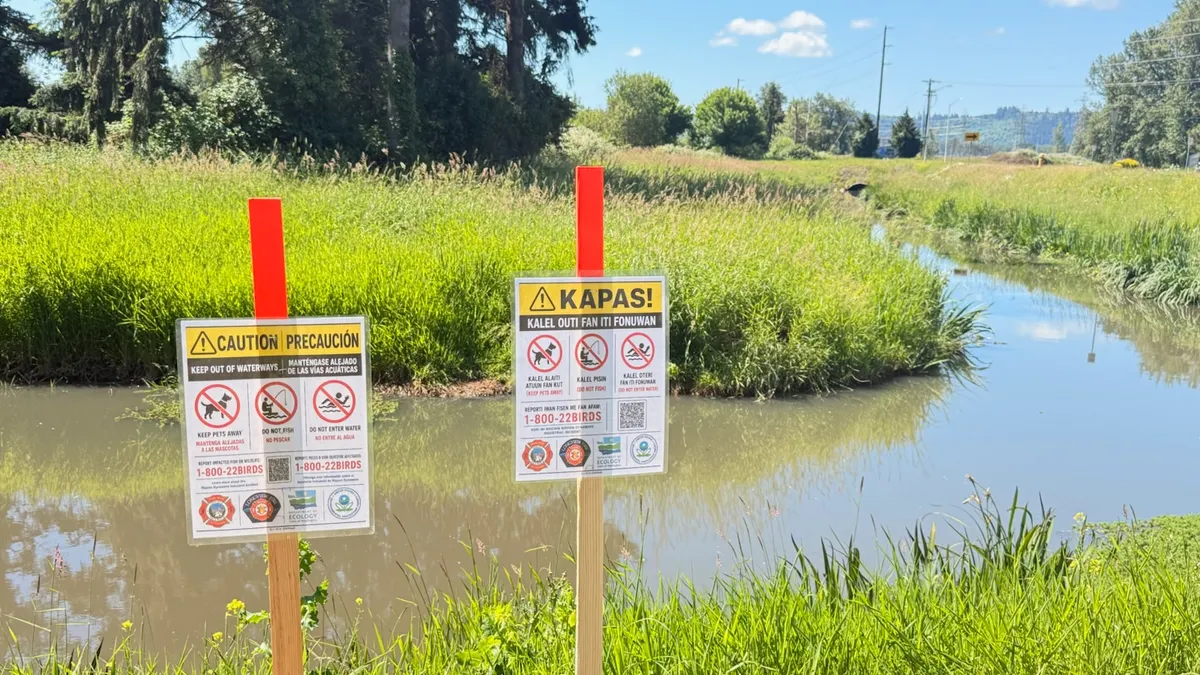
IP completed its acquisition of North Pacific Packaging Co. in June. The facility had impacts from the white liquor implosion disaster at Nippon Dynawave Packaging Co.’s neighboring mill in Longview, Washington, in May, which left 11 people dead and eight others injured.
While production at Norpac’s mill temporarily slowed during the NDP cleanup and investigation, Silvernail said, operations have returned to the pre-incident level. “Norpac is an excellent fit” for IP and allows for increased customer service on the West Coast.
Also in Q2, IP completed the acquisition of Delmarva Corrugated Packaging in Delaware. This deal “strengthens our footprint in an attractive region” and supports long-term growth plans,” Silvernail said.
The conversion of an uncoated freesheet machine at the Riverdale mill in Selma, Alabama, to produce containerboard is complete, and ramp-up is going according to schedule.
“This project strengthens our product mix, enhances our advantage cost position, supports a more balanced paper system over time, and is explicitly for returns consistent with our investment expectations,” Silvernail said.
IP still expects to start up a new greenfield box plant in Waterloo, Iowa, during the fourth quarter with full production slated for Q2 2027.
Investments to enhance IP’s presence in certain geographic locations boost responsiveness to customers, which plays into the company’s optimization plan. “Responsiveness goes up, cost comes down,” Silvernail said.
Price movement
Just days before the earnings call, IP announced its third containerboard price increase of 2026, for $80 per ton, to take effect Sept. 1; that follow’s Packaging Corporation of America’s announcement of a $140 per ton increase, widely called unprecedented. IP executives expect that increase to be fully realized by Q1 to Q2 2027.
“Obviously we would expect some of it to flow through attractively to the bottom line, but we'll have to see kind of what happens” in the coming months, given challenging external conditions like the war, Silvernail said. Energy and OCC price inflation is expected to offset some of the gains.
Guidance adjustments
IP anticipates a “step-up” in its North American earnings for the second half of the year. The region’s full-year adjusted earnings before interest, taxes, depreciation and amortization is $2.35 billion to $2.45 billion, lowering the top range by about $50 million, executives said.
“There’s a lot of uncertainty out there with what’s happening in the Middle East,” Silvernail said, in addition to other factors including inflation, so IP now does not expect demand to increase notably in the second half of 2026. It now expects relatively flat demand in North America and a modest uptick in Europe. “And we’ll see what that means for ‘27,” he said.