It’s no secret that the packaging industry has faced business challenges and has been overall sluggish since the pandemic-era boom ended. Amid sustained challenges, executives have sought alternative avenues for growth and returning value to shareholders. That’s where M&A comes in, according to a newly released report by McKinsey & Co.
“There is renewed interest and excitement around what you can achieve through M&A as a lever,” Abhinav Goel, partner at McKinsey and co-author of the report, said in an interview. “M&A comes in as a lever to adjust your participation, double down on your markets, etc., so that you continue to maintain a good growth trajectory.”
In particular, packaging executives are focusing on programmatic M&A, the report says. The programmatic strategy focuses on pursuing multiple small-to-medium deals — as opposed to one or two large deals — to achieve specific goals. This method has proven more likely to deliver value over the long term, according to McKinsey.
With programmatic M&A, “you are constantly looking for acquisition options or divestiture options as you may think about which allows you to better position your company,” Goel said. “Trying to not be just a spectator, but being active in the market, is something that is true for private equity and strategic buyers, both of them.”
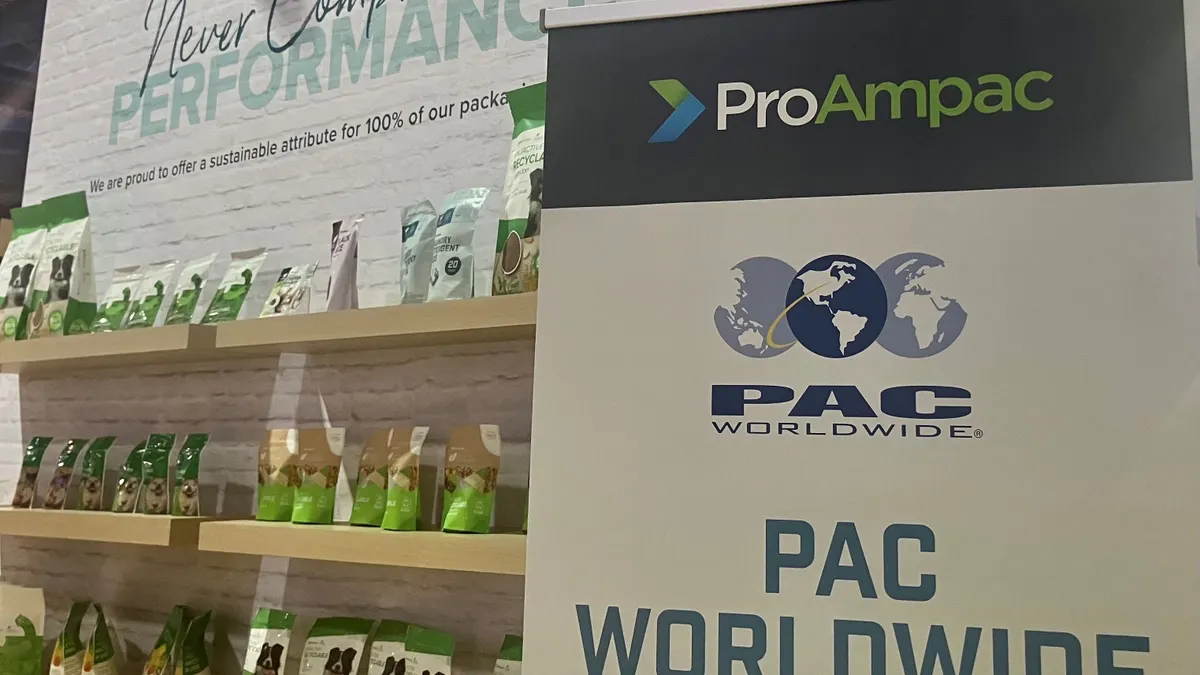
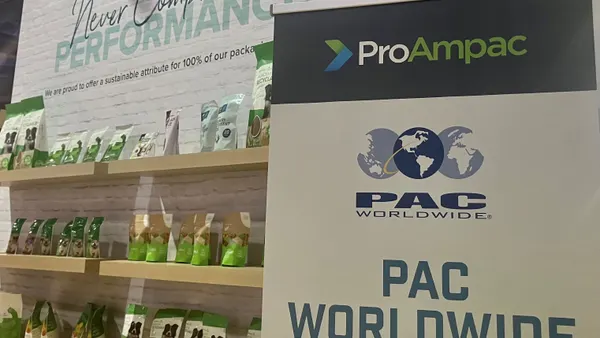
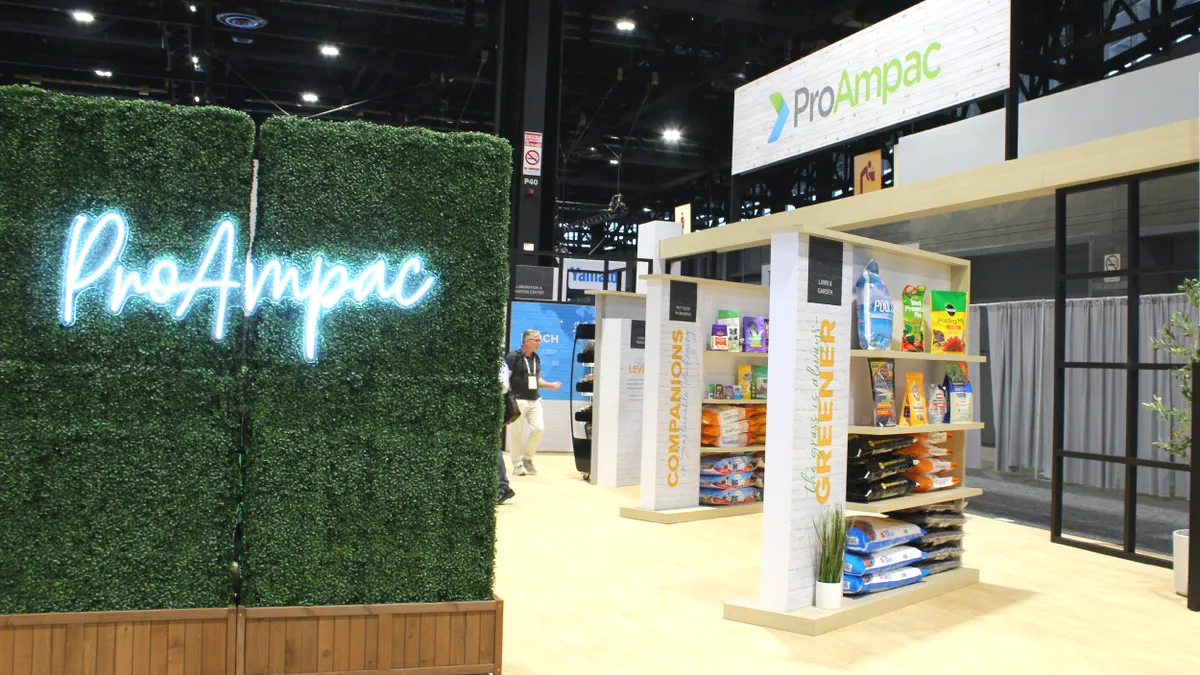
A recent example of the programmatic approach is ProAmpac, which on March 6 completed its acquisition of TC Transcontinental’s packaging business for 2.1 billion Canadian dollars ($1.5 billion). That company, owned by Pritzker Private Capital, has been built through dozens of acquisitions, including the 2025 purchases of e-commerce packaging specialist PAC Worldwide and International Paper’s bag converting operations.
“I think they are looking to strengthen their position in some of those markets that they participate in ... and using [M&A] as a lever for business,” Goel said of ProAmpac.
While McKinsey stops short of predicting an increase of programmatic M&A in 2026, other analysts have suggested such a trend is likely. They’ve pointed to companies’ inclination in 2026 to use M&A as a counter to lagging stock prices and organic volume growth limitations. And multiple analysts note a shift is already underway toward smaller dollar value transactions, following a couple years of megadeals including Smurfit Kappa’s acquisition of WestRock, International Paper’s acquisition of DS Smith and Amcor’s acquisition of Berry Global.
Although McKinsey did not offer its own prediction, its survey of more than 70 C-suite and senior-level executives in September found that more than 80% expect M&A activity to increase in the coming years. Even though “it's been like four, five months since then, it feels like there is still excitement in packaging executives to continue to pursue M&A as a lever to grow,” Goel said.
The consulting firm paired its survey findings with a separate analysis of M&A activity in the paper and packaging sector from 2010 to 2024 to draw conclusions about programmatic M&A. It found that top-quartile performers — those delivering median total shareholder returns of at least 12.2% — pursued multiple deals in a tailored and disciplined manner, with approximately 67% of deals being programmatic. By contrast, only 11% of top performers’ deals from 2010 to 2024 were organic.
Consolidation in core markets and building scale were respondents’ top two reasons for pursuing more M&A, at 23% and 21%, respectively. The most attractive end segments to pursue are those focused on sustainability (26%), healthcare (23%) and food service (20%).
Plus, the team discovered three clear patterns for companies eyeing more deals:
- In recent years, overall deal volumes moderated while average deal size increased, signaling a pivot around 2023-2024 toward fewer but larger and more strategic transactions.
- Several recent large packaging acquisitions have been financed mostly or entirely with stock rather than cash or debt.
- Many packaging companies are focusing on one or two key product lines and using “roll up” strategies, as opposed to activity that involved operating in eight to 10 different businesses, sometimes across multiple industry subsectors.
Survey respondents overwhelmingly — 94% — expressed interest in pursuing more deals below $1 billion in the coming years, even if that means paying a premium. Almost 50% of respondents reported willingness to pay a premium of 20% to 25% for the right assets.
Programmatic M&A isn’t the answer for every business, the report says, but it’s showing up as a trend. Plus, the packaging industry faces the same economic dynamics as other sectors as it relates to M&A: Dealmaking declines as the economy turns down and increases as markets recover.
Still, “executives believe that M&A is going to continue to be a big thing for the packaging industry,” Goel said. “Packaging companies are trying to find ways to continuously grow and maintain the trajectory.”