Dive Brief:
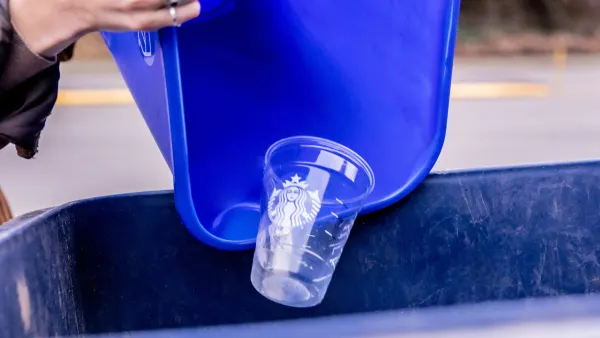
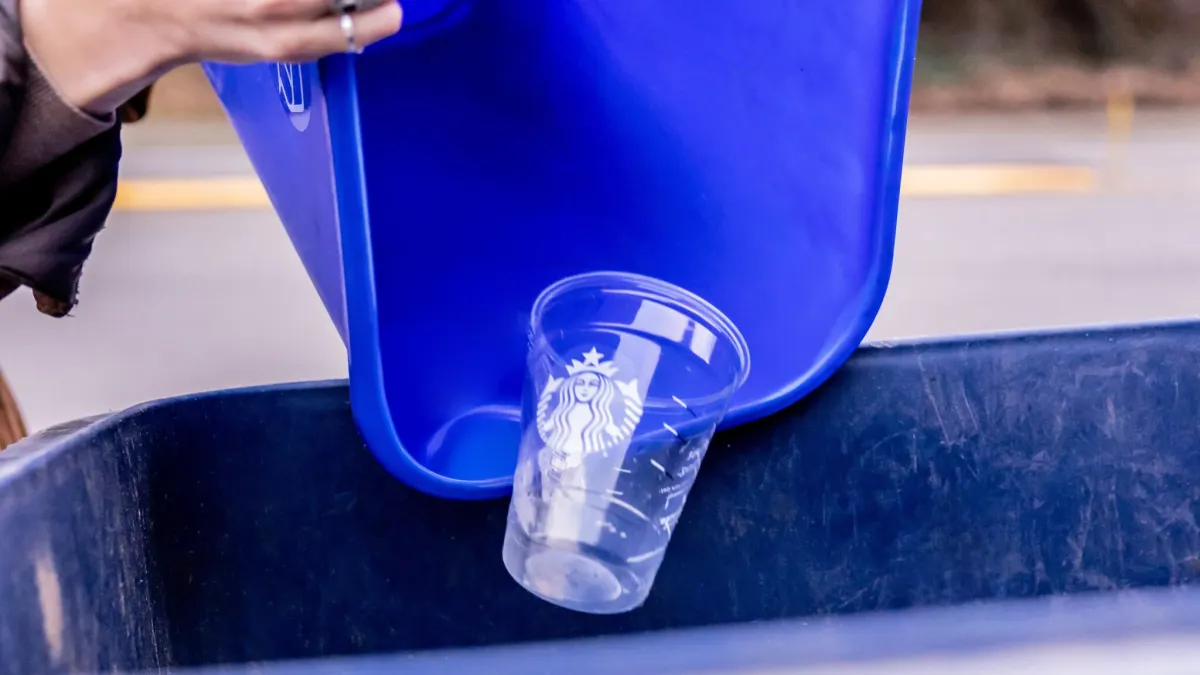
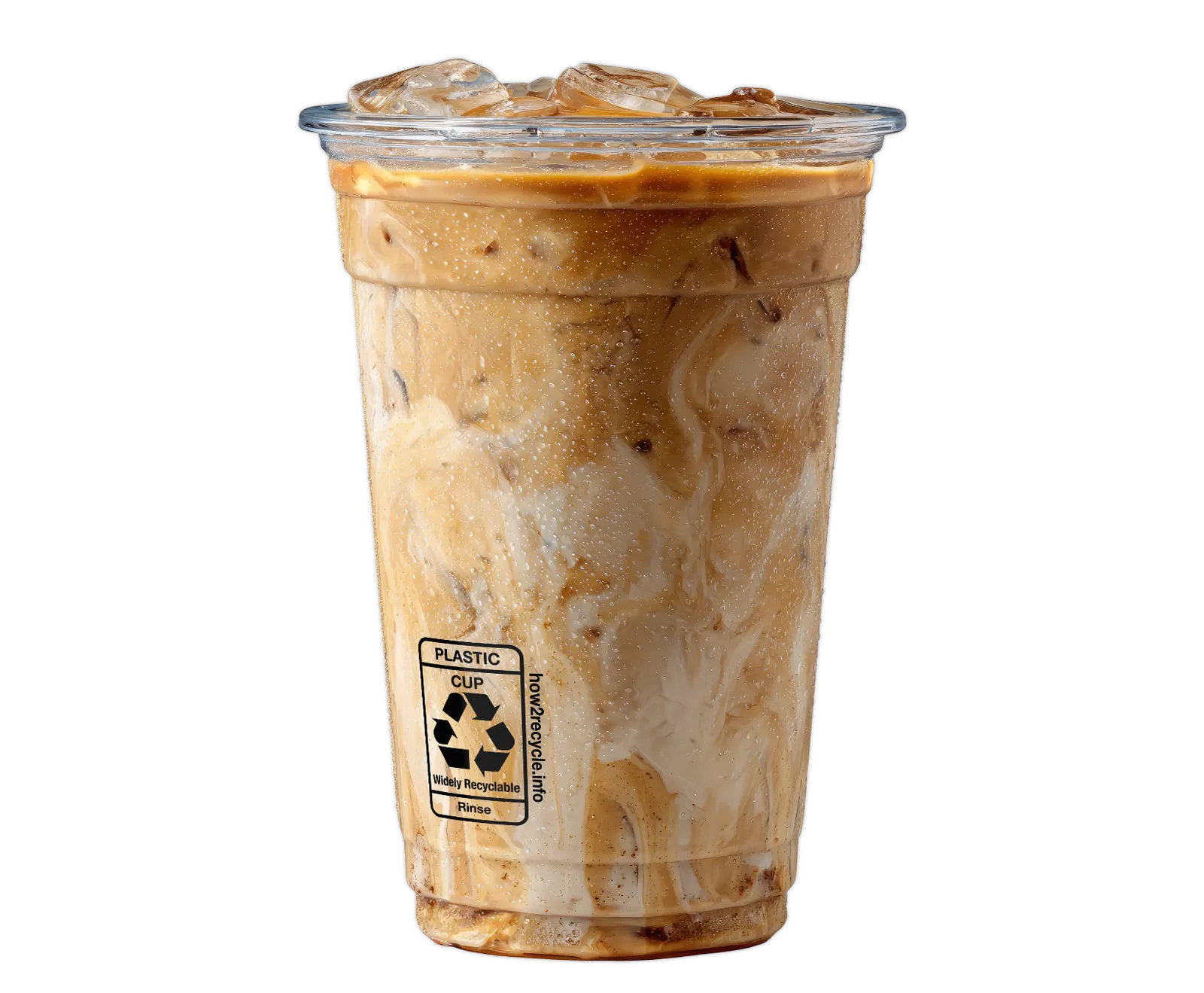
- How2Recycle is giving a new item its “widely recyclable” label: polypropylene cups, such as those commonly used for cold drinks. The organization anticipates program members will begin rolling out the updated label on PP cups throughout this year.
- The status change reflects that at least 60% of U.S. households now can recycle PP cups either in curbside or drop-off programs. More than 2 million households gained recycling access for the items just in the last four months, according to a news release.
- How2Recycle, which is managed by the nonprofit GreenBlue, says this milestone was achieved through collaborative work with partners including Closed Loop Partners’ NextGen Consortium, The Recycling Partnership, Starbucks and WM.
Dive Insight:
In early 2025, How2Recycle confirmed that PP beverage cups were among the items it reviewed for a possible recycling label upgrade, but it decided to leave the “check locally” designation as-is at that time. The newly announced change is a big deal for U.S. recycling, the partners say.
“Earning the ‘Widely Recyclable’ label is a major milestone for polypropylene cups and a signal of broader progress across the recycling system,” said Paul Nowak, executive director of GreenBlue, via email. “For consumers, it means simpler disposal instructions and confidence that when their to-go cup goes in the recycling bin, it’s more likely to be collected, processed, and turned into something new.”
The new label upgrade applies to clear and colored HDPE and polypropylene beverage cups, as well as other types of PP cups that hold at least four fluid ounces in volume, such as those used for snacks or other food. For now, small and shallow plastic cups remain eligible for the voluntary informational label program’s “check locally” designation.
The label change took years of industry collaboration focused on improving collection, sortation and circularity for PP cups, Nowak said. Achieving 60% access was the final element necessary for earning the widely recyclable label.
“The hard work on behalf of our partners to increase access for PP cups didn't happen overnight. This upgrade is proof that sustained collaboration can turn incremental system improvements into mainstream recycling wins that work for consumers and their communities,” Nowak said. “Our next step as an industry is making sure people understand what’s changed and how to recycle with confidence.”
WM was instrumental in the initiative due to its investments in infrastructure to collect and sort the cups at its materials recovery facilities across the United States. In November, WM announced that it added both PP cups and paper cups to its list of universally accepted recyclable materials, a move intended to increase material collection in curbside bins and produce cleaner streams.
Recent MRF automation upgrades make it easier to sort PP cups and incorporate them into bales that WM already produces, the hauler and recycler said at the time. These upgrades resulted in WM increasing the amount of PP it recycles by 150% since 2019. WM had already been recycling other types of PP “for many years,” according to a spokesperson, and it was important to add cups as well considering the items were “approaching” widely recyclable status last year.
The company also noted that there are now more end markets for the items. WM worked with KW Plastics, for instance, to develop an end market that enabled a “clear pathway for communities to add cups to their curbside programs,” according to a news release about the H2R label change. KW accepts a variety of plastic items often deemed “hard to recycle” and processes them into plastic pellets that manufacturers can use to make new products.
Starbucks previously has highlighted its investments in recycling infrastructure and initiatives to facilitate recycling access. After the H2R label change, Starbucks still plans to work on these types of collaborative projects to “make recycling easier for customers who opt for to-go beverages,” said Chief Sustainability Officer Marika McCauley Sine in the news release. In 2024, the company introduced new 2030 sustainability targets, including that customer-facing packaging is 100% reusable, recyclable or compostable and is sourced from 50% recycled materials.
H2R also will continue to work through remaining hurdles to further boost PP cup recycling. “We trust that our partners who helped bring this upgrade to life will expand acceptance across even more communities as they continue working to strengthen the circularity of cups,” Nowak said.