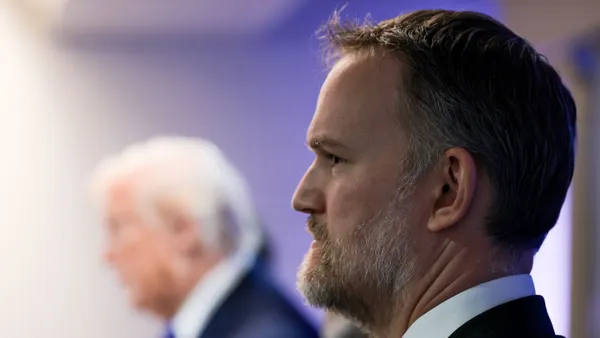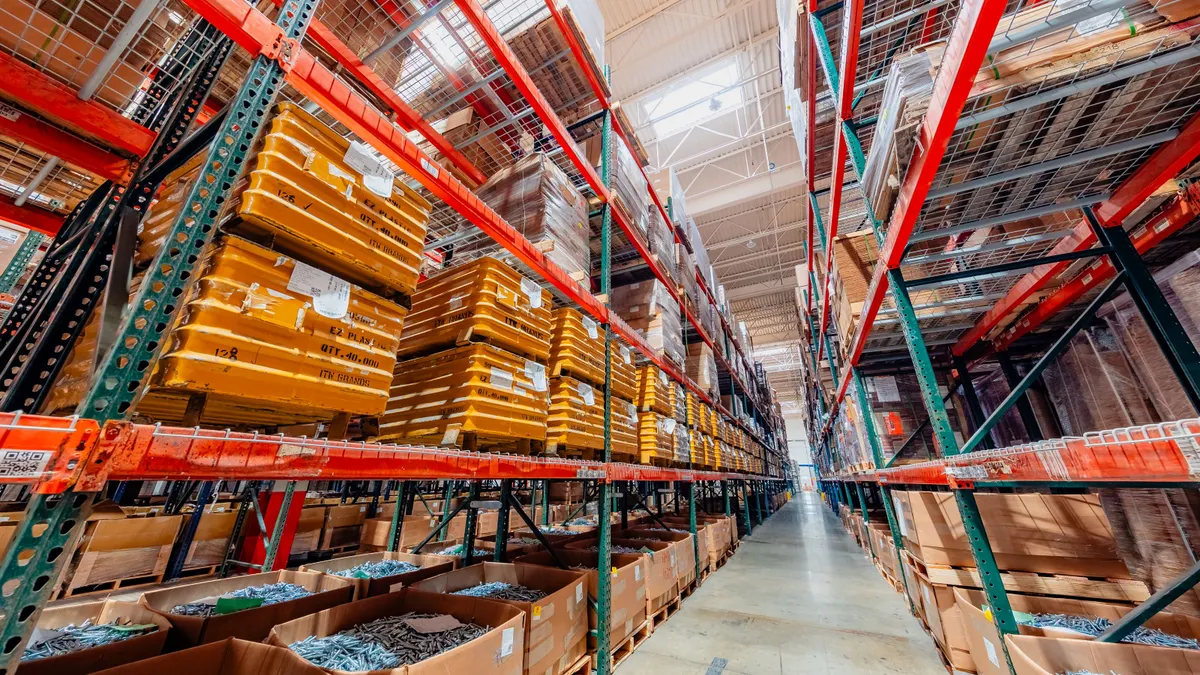
In an era of both significant consolidation and splitting up going on in the packaging industry, packaging and supply chain solutions company Stephen Gould is sticking with its family-run roots.
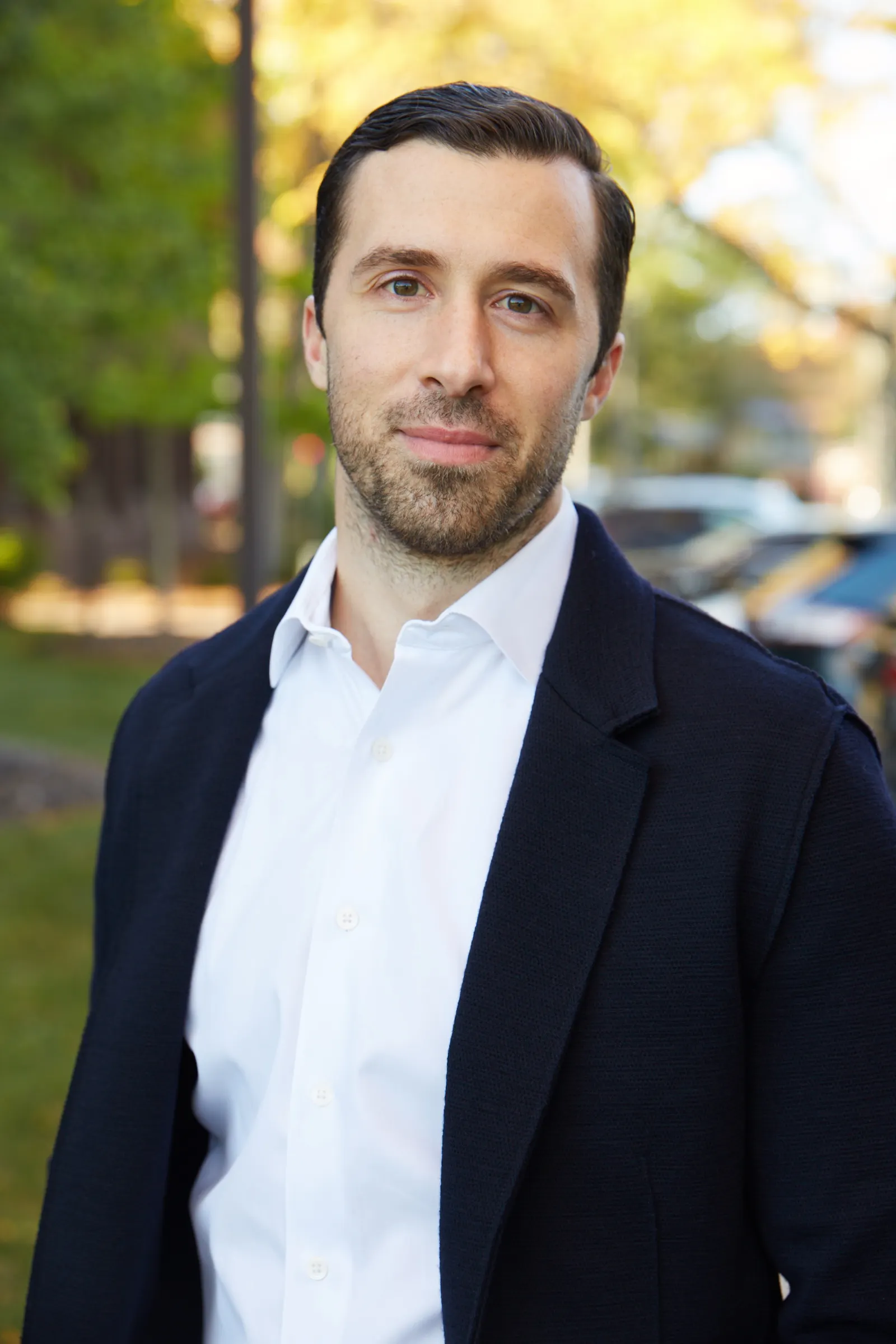
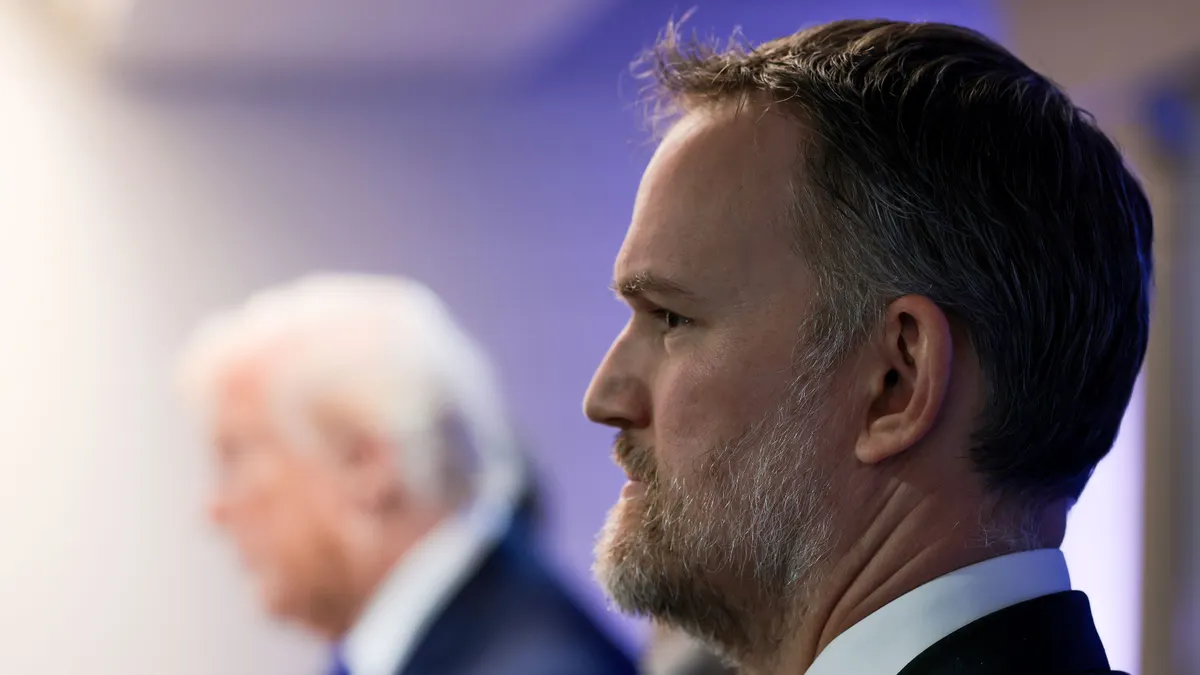
The nearly 90-year-old privately held company appointed third-generation leader Justin Golden as its new CEO this month, taking over for his father Michael. No stranger to the business, Justin has served as president since 2016, following other roles at Stephen Gould.
Stephen Gould opened in the 1930s in Manhattan as an industrial packaging supplier, but today it aims to offer customers a “turnkey” solution, working with clients on design and marketing, as well as manufacturing, fulfillment and inventory management.
The Stephen Gould team saw the stress customers faced managing multiple vendors across the supply chain to get a product to market. “That really is what set us off to expand beyond just packaging,” Golden said.
Based in New Jersey, and with dozens of offices globally, the company claimed $950 million in annual revenue in 2025.
“There’s so many shifting dynamics in the world today — whether that's a post-Covid economy, whether that's a tariff-impacted economy, whether that's a focus on more efficient, sustainable solutions,” he said. Small startups and huge companies may diverge in their problem sets, but the company aims to offer services “that are really applicable across that spectrum of needs.”
In this environment, Stephen Gould is betting on the value of integration and long-standing relationships. Golden (who, yes, frequently gets called “Stephen”) shared more in a conversation with Packaging Dive.
This interview has been edited for clarity and brevity.
How do you compete for business when customers have so many choices and there are so many specialized companies?
This goes back to really foundational elements of our business since its founding with my grandfather, and carried through from second generation to so much of my upbringing within the business. So much has obviously evolved in our both specific packaging space and then the more broad supply chain world. Yet at its core, it's our relationship focus on the people side that I think is what ultimately has given us staying power.
The complexity in today's world means having to manage so many different regulatory requirements, so many different material elements that might come into all the different consumer engagements that go on within a product. Clients can streamline all of that and have really cohesive conversations with one integrated partner like a Stephen Gould as opposed to having to manage five, six, seven different vendors.
Some of our clients might have a really great paper corrugated supplier that they love, but that supplier typically is not going all across their product life cycle to be able to handle kitting fulfillment, to handle retail end display manufacturing, or maybe they're focusing on e-commerce delivery but they're not focusing on a retail environment.
And so to have Stephen Gould really bring in all of that expertise across some of the teams that we've developed over the last 10, 15 years, it really does set us apart from most of our competition.
At the end of the day with supply chain, things always go wrong. There's always unpredictable events that happen. And so what I think separates us, and we really try to focus on, is the people side of things and that relationship — really showing our customers that when things do go wrong and when things get really complex, that's where we actually try to thrive and really set ourselves apart from everyone else.
I think we're also able, as a private family business, to plan and think and react with long term in mind, and long-term client relationships in mind, because we don't need to think about: what are those financial results going to be on a quarterly basis?
It's us on us. It's: What do we really want to be in the marketplace? How do we want to serve our clients through the ups and downs and the challenges and obstacles that can come our way within supply chain, because it is a complicated industry.
Do you think that customers are demanding more from their suppliers, as far as the services and support they provide? Do you expect that to grow?
I do, and I think that's actually a big focus area of ours in the last couple years: A lot of heavy investments internally for us on talent, on upskilling, on really building out teams with a variety of expertise in some areas that we do expect to continue to ramp up and to accelerate in the years to come.
That includes meeting the ongoing changes from a regulatory standpoint. I think the impact and speed of technology automation is already starting to play, but is going to continue to play, a bigger role in the future, of speed to market from a creative standpoint.
I think there's a lot that's that's going to be changing over the next few years, and we want to be able to have the internal expertise and get some early experience under our belt providing access to those elements and learning from it along the way, so that going forward Stephen Gould continues to be viewed by our clients as not just a thought leader, but really as a partner that provides access to innovation. And that might be innovation that we've developed internally, that might be innovation that through our own research and partnerships that we provide access to for our clients.
The last couple years we’ve seen some pretty big consolidation in the industry among public companies, as well as smaller family-owned companies getting bought. How do you feel the environment is right now for family-run companies in the packaging industry?
Speaking for ourselves and for myself in particular, there has been a lot — whether it's M&A activity, whether there's been a lot of private equity engagement into the packaging world, into the supply chain world.
What I have experienced thus far for Stephen Gould is that it's one thing to see this acquisition spree going on... it's a totally separate thing to have successful integration — whether that's cultural integration, whether that's expertise integration, talent integration.
And so when you see more and more acquisitions going on, it has typically actually worked in our favor from that standpoint, because the integrations can be so difficult. And so it's actually led to more opportunities for our clients to look for somebody that can provide the service that a lot of private equity money is frankly looking for — to have a portfolio that consists of a suite of supply chain services. But the integration of all of those — there's an art to that, and that's one of our strengths. And so we've been able to really capitalize, frankly, on market share with some of the acquisition sprees that have been going on.