After California finalized SB 54 regulations on May 1, CalRecycle released multiple guidance documents on May 11 addressing some important questions for producers navigating compliance.
The extended producer responsibility and source reduction law has big goals by 2032: to cut single-use plastic packaging and food service ware by 25% and to recycle 65% of it. It also aims for all single-use packaging and plastic foodservice ware to be recyclable or compostable.
Still to come is more information on “various extensions, exemptions, and exclusions allowed under the law,” the agency says.
Identifying producer status and covered materials
CalRecycle created a tiered flowchart for companies to screen for whether they qualify as a producer in various situations. That answer can vary by whether a business is located in the state of California, or whether it’s the manufacturer, has a trademark, is the sole licensed seller in all or part of the state and other factors.
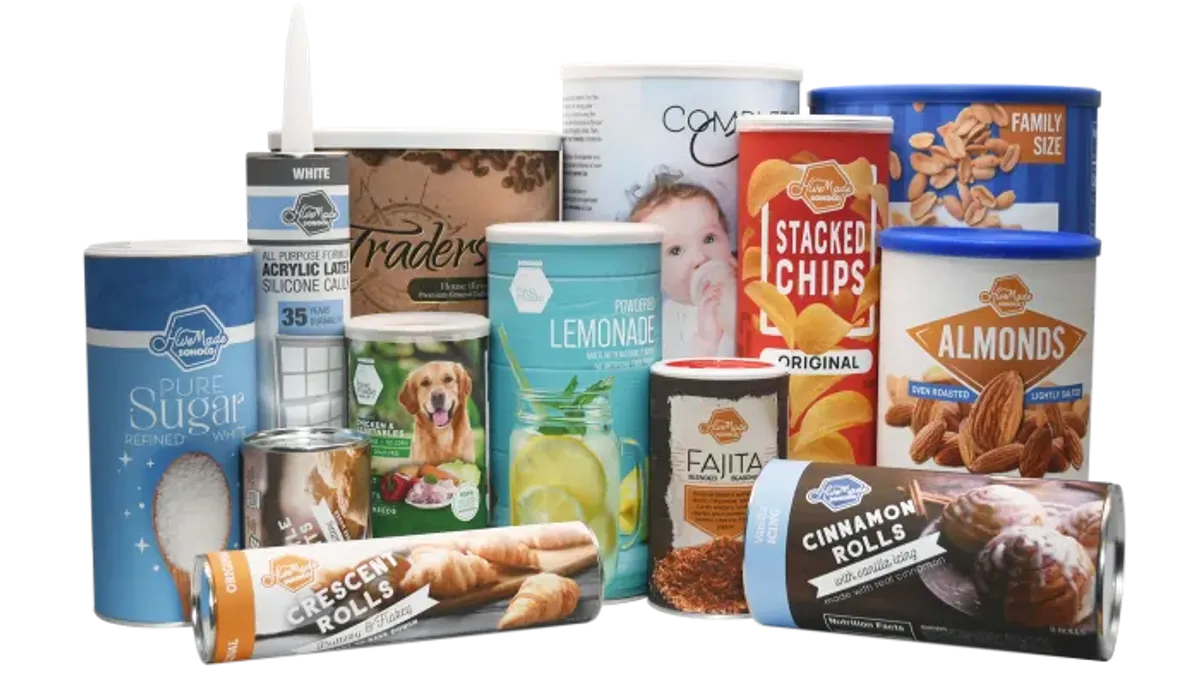
As for covered materials, the law covers single-use packaging – whether primary, secondary or tertiary – that is routinely recycled, disposed of, or discarded after its contents are consumed or unpackaged.
The law also applies to single-use plastic food service ware – trays, plates clamshells, cups, utensils, stirrers, wrappers, bags and more – which CalRecycle notes could be plastic-coated paper or plastic-coated paperboard, paper or paperboard with plastic intentionally added during the manufacturing process, and multilayer flexible material.
CalRecycle also outlined key material categories that are not covered by the law. These include reusable or refillable packaging and food service ware, as well as packaging for medical devices, prescription or certain over-the-counter drugs, infant formula and certain nutritional supplements.
The law also excludes items that are managed under other California programs, such as paint and beverage containers that are part of the bottle bill.
Submitting a categorically excluded materials notice for food and agricultural packaging
The law does contain some leeway for certain food and agricultural packaging, which were a particular point of focus in revisions this year.
The final regulation text notes that certain food or agricultural packaging may be excluded if “it is not reasonably possible to use packaging or packaging components” compliant with SB 54 and U.S. Department of Agriculture and Food and Drug Administration guidelines. These could include reasons such as preventing microbial contamination, or maintaining packaging safety or structural integrity.
Submissions for exclusion notices will run through CalRecycle’s new Packaging Extended Producer Responsibility System (PEPRS), which the agency said in an email Monday “will begin allowing for electronic notice submission in the coming weeks.” CalRecycle said in guidance that these submissions must detail the packaging or packaging components that qualify for exclusion; state and federal rules or guidelines that are in conflict; and an explanation of how it is not reasonably possible to use an alternative that resolves the conflict.
Coming up
CalRecycle reiterated a June 1 deadline for producers to either register with and submit supply data to CAA; register with CalRecycle in PEPRS and apply to be an independent producer; or register with CalRecycle and apply for a small producer exemption.
The draft program plan from Circular Action Alliance is due June 15. That document will shed light on fees, operating structure and more. It will be partially informed by needs assessment studies, though CAA has cautioned that incorporating the needs assessment could be limited due to a compressed preparation timeline.