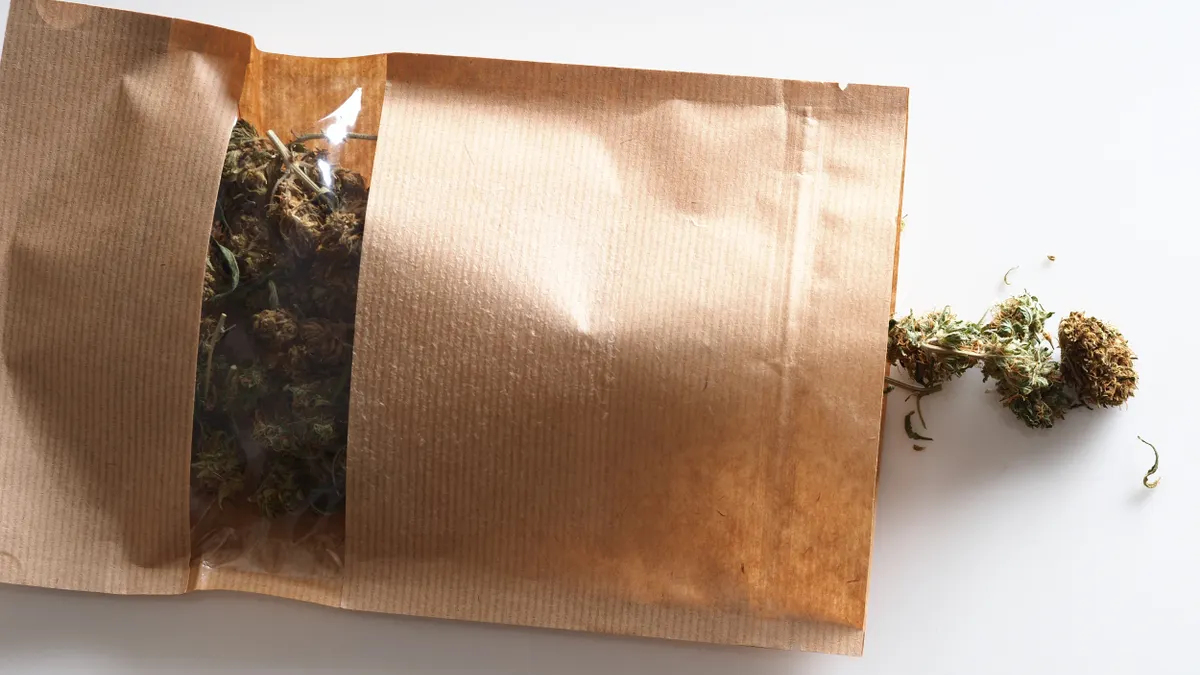
In 2012, Colorado and Washington became the first states to legalize adult recreational cannabis. Fast-forward 14 years, and about half of U.S. states now allow it, leading to a proliferation of packaging innovations — and a complex web of regulations to navigate.
“Because of federal illegality, and because of the regulatory nature of cannabis, it really falls to each state to make its own rules — and the variation is pretty big,” said Oren Bitan, co-chair of law firm Buchalter's cannabis and hemp group. “For the packaging requirements, you really need an expert on state and local law, because even that can differ.”
In the early days of recreational cannabis sales, packaging design mattered less for driving business than it does now, said Sam Brill, CEO at cannabis operator Ascend Wellness Holdings.
“Anything you put on the shelf, it didn't matter what the packaging looked like. You could put it in a paper bag if you were allowed to,” Brill said. “People were going to buy it, just because of this novelty of being able to buy cannabis for the first time. So we didn't think a lot about the packaging.”
But as markets matured, Ascend realized it had to put a greater focus on product and packaging.
“From a commercialization perspective, we wanted to launch and get to a level where we had a certain level of quality that we could be proud of, and then put it into packaging that reflects it,” Brill said. “The last thing you want to do is to launch a brand that what's inside doesn't really reflect what the brand is.”
Cannabis and packaging-specific laws remain works in progress. Even so, in Bitan’s view, “it is unfortunate these laws haven't evolved over time to be less restrictive for the industry.”
Operators must stay abreast of general business regulations as well as cannabis-specific considerations coming down the pike –- a reality that causes broad consternation among industry participants.
“Cannabis companies have the unique pleasure of complying with every existing law out there, plus every cannabis-specific rule,” Bitan said. “At the end of the day, it's a big headache.”
Scrutinizing specifics
The most universal cannabis packaging regulations across states apply to safety and child resistance. Similarly, some states have sought to add rules to restrict designs that could appeal to kids.
“There's a push for protections against things that are attractive nuisances for children — if something looks like candy or a toy,” Bitan said, noting this particularly applies to edibles like gummies or chocolates.
But some of the design rules seem like overreach, industry participants say. For instance, multiple states restrict colors and holographic features on packaging. And Arizona, New York and Nevada are among the states that prohibit fruit images. The lack of such rules for other regulated products, like alcohol, doesn't seem fair, especially considering consumers have to be of legal age just to enter a dispensary, said Seth Sznapstajler, co-founder of cannabis brand Sluggers Hit and vice president of sales at parent company Natura.
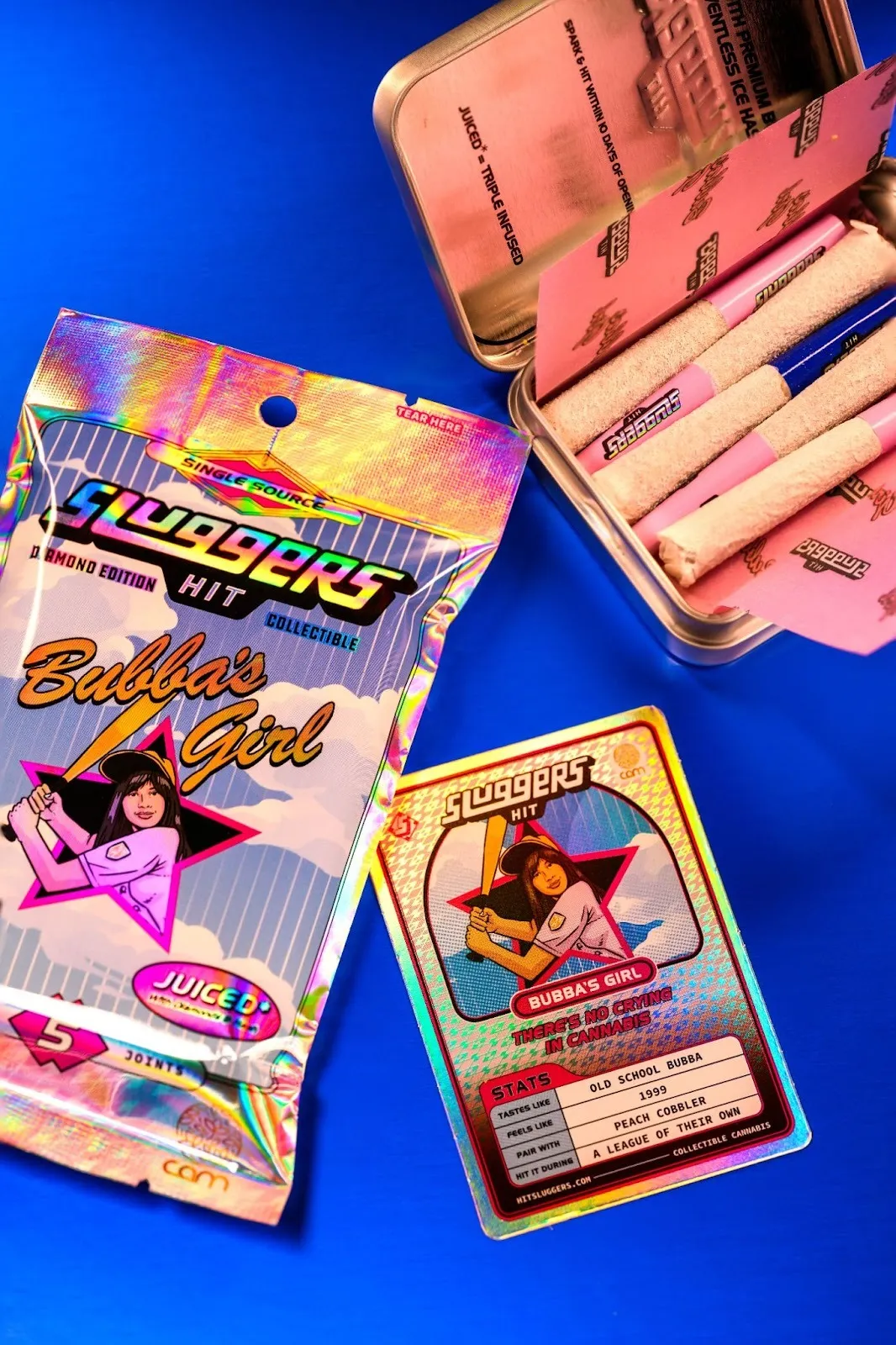
Additionally, certain states disallow cartoons, mascots or graphics. Sluggers houses its cannabis products in packaging that resembles baseball card packs, with a card inside that lists the product's stats. This was an intentional design feature to play to adults’ sense of nostalgia and create brand loyalty in a space where it often doesn't exist, Sznapstajler said. Adding the cards, which have a collectibility aspect, has helped the brand take off, he said.
“It's not on the shelf with any cartoons outward facing,” Sznapstajler said. “The artwork is colorful and attractive. Cannabis can have some fun too, right?”
However, upon entering the Arizona market, “we needed to basically put it in a box” as an extra layer of deterrent for children, he said. “We've had to alter the packaging for every single one of the states. ... Obviously, it makes it more difficult.”
The regulatory patchwork in the U.S. comes with a cost.
“[When] you have to create new packaging for each of those states, that's expensive. And the margins these companies are dealing with are pretty thin,” Bitan said. “It ends up becoming more expensive and harder to create new products, to change your existing products.”
Case in point: Ascend, which is in seven states, just launched a rebrand for its Ozone products, and there were a lot of hoops to jump through, Brill said.
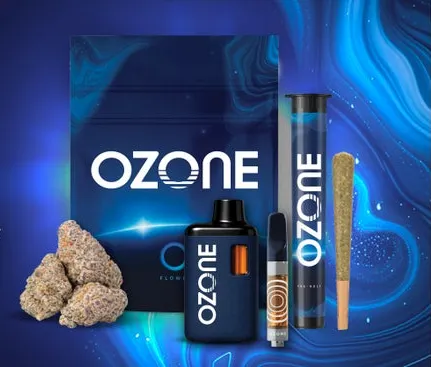
“It was not some simple brand launch that you would have in other industries. We had to actually go to each state and go through an approval process,” he said. Last year, Ascend launched its brand High Wired, but “I can't sell High Wire under this brand in Ohio” due to labeling restrictions, he said; instead, Ascend lumped the product under its Ozone brand in that state.
Such onerous processes could stifle some product and packaging innovation, Bitan said.
“I think it does make a company think twice about launching a new SKU or changing their branding. Because if they do it once in one place, they have to do it eight or 10 other times” in other states, he said.
Advancing through the smoke screen
While doing the regulatory compliance dance, cannabis companies simultaneously try to thread the needle for effective marketing and a positive consumer experience. Plus, they have to ensure that packaging still does its most fundamental job: protect the product and preserve its quality.
Some states require bare cannabis containers, and more than a dozen require any packaging to be opaque. But transparent jars are a commonly used container for cannabis flower, in part to prevent the product from being crushed. Ascend bucks that trend, though, and has found that plastic-based pouches preserve the quality of its flower better than jars.
“We chose these Mylar bags not because of price or anything, but actually because of quality and freshness,” Brill said. “While a jar feels maybe more high end, it is not actually keeping your product fresher, and it's not going to give you the best experience. We're still trying to educate the market on that.”
Granted, some brands invest in expensive jars with rubber seals for better freshness, he said, but that's not the typical packaging type for flower, largely due to cost. Ascend's pouches also have a window to let consumers see the product inside as a visual test of quality. In states that don't allow the product to be visible, a sticker can be placed over the window, Brill said.
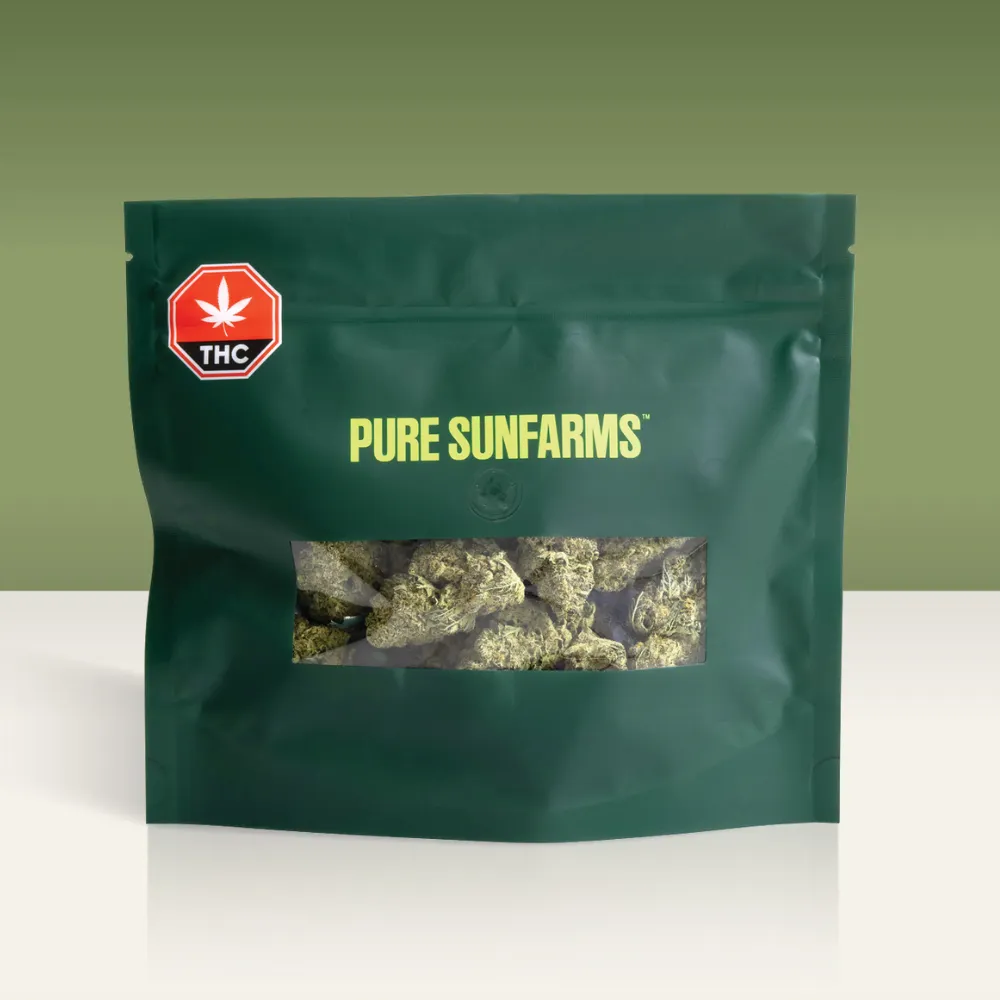
Last summer, cannabis company Pure Sunfarms, a subsidiary of Village Farms International, also launched a pouch with a window, saying this packaging style could start a “new era” for cannabis shopping. Later in the year, it announced an additional innovation for these pouches: a pressure-activated valve that prevents air and moisture from entering the bag. Aroma only can be released when the packaging is squeezed, similar to a coffee bag.
A few years ago, Dymapack launched a squeeze-and-turn tin with an airtight seal for product freshness. It also touted the tin’s child-resistant and curbside-recyclable design.
Sustainability is another common innovation impetus. AE Global launched containers made in part from reclaimed ocean plastic.
Compostable packaging is cropping up more, too. Contempo Specialty Packaging introduced a container with a metal exterior that has an inner sealed pod made from a bio-based resin that is certified by the Biodegradable Products Institute as home compostable. The tin is recyclable but also can be reused with subsequent inner pod purchases to reduce waste.
Dama Distributing offers a range of bio-plastic containers that it says are backyard compostable. And compostable packaging company Tipa expanded into the cannabis market via a partnership with cannabis product company Wyld to use the compostable material in pouches as well as individual wrappings for edibles.
Consumer experience also remains top of mind for cannabis packaging innovations. While it took work to develop a box for Sluggers Hit to comply with Arizona’s regulations, Sznapstajler believes the additional packaging also “added a little bit to the unboxing experience of it” for consumers. Along those lines, Ascend put one of its most high-end flower products in a specialty box to provide consumers with a luxury experience.
“This has been great for unboxing, because it's an exclusive product,” Brill said. “You have this nice packaging. It's little things like this that identify it.”
Taking hits, but moving forward
Despite the challenges, cannabis packaging will continue to advance, sources say. But they acknowledge it takes thorough planning to balance compliance with controlling quality and costs.
This is where strong packaging supplier relationships are key. “They're always coming up with interesting, innovative ideas. Some of them we can do. Some we cannot,” Brill said.
Putting in the extra work on packaging design can pay off with sales and consumer loyalty.
“It balances out. You take some hits, right?” Sznapstajler said. “But if you're savvy with packaging, with your resources, and you're studying your supply chain planning and your production planning and your forecasting is as accurate as possible, you can minimize that.”