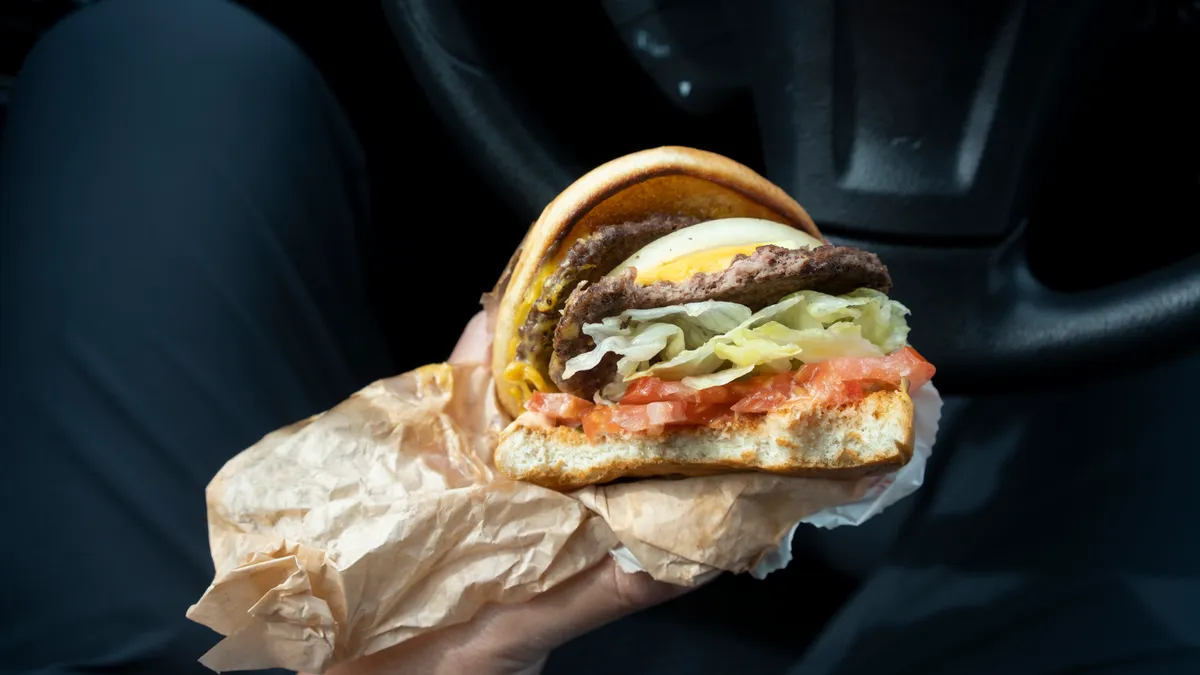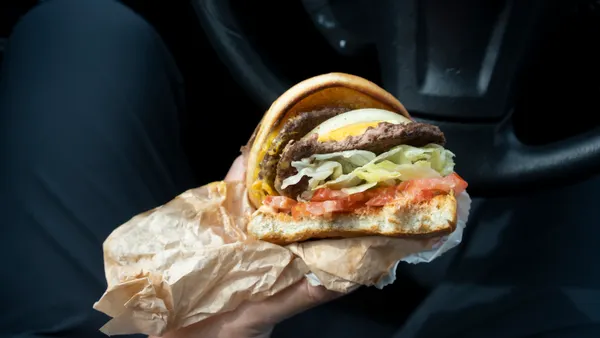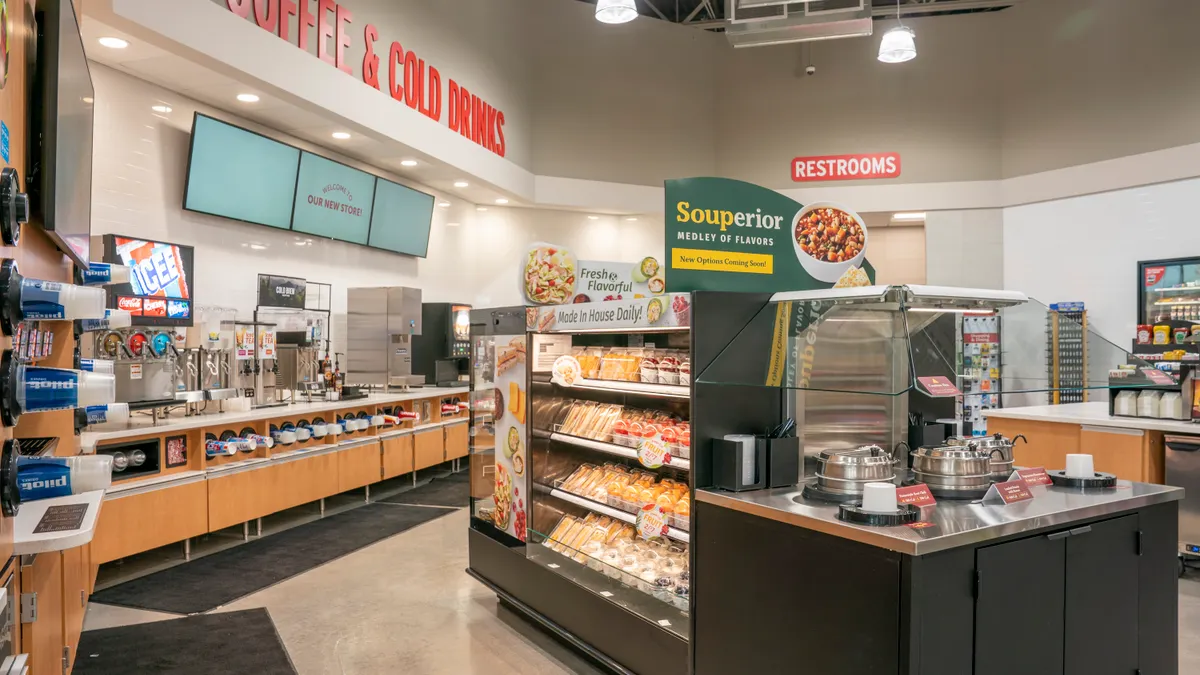
Convenience stores are no longer just a spot to grab an energy drink and a bag of chips. The retailers are increasingly becoming an outlet for prepared meals and fresh food – even sushi – while still maintaining grab-and-go convenience.
For packaging suppliers, the c-store sector presents a growing opportunity to supply innovative designs that maintain freshness and extend shelf life, while simultaneously helping c-stores boost their branding.
“This is a very attractive channel and category for packaging businesses to be looking at,” said Thilo Henkes, managing director, partner and leader of the global packaging practice at L.E.K. Consulting.
Prepared foods make up an increasing share of sales in convenience stores. Foodservice — which includes prepared foods, dispensed beverages and commissary items — led in-store sales in 2025, totaling 28.5%, according to the National Association Of Convenience Stores. That’s up from just under 12% in 2005. Prepared foods such as pizza, chicken, burgers, sandwiches and salads are the largest segment at nearly 74% of foodservice sales, an increase from more than 66% in 2021.
“Food and beverage has never been more important in a c-store than it is now,” said Farley Kaiser, senior director of culinary innovation at McLane Fresh, the foodservice program of distributor McLane.
A high-value opportunity
Several large c-store chains have reported expansions specifically related to prepared foods. 7-Eleven plans to open more than 600 large-format stores in the U.S. by the end of 2027, which the chain’s CEO described as “food and beverage forward.” And in January the retailer hired a new senior director of fresh foods for its convenience stores in the U.S. and Canada.
Pilot invested $1 billion to remodel hundreds of locations to create more space for fresh food, and it launched a new foodservice program this year. Alimentation Couche-Tard, which owns Circle K, revealed that adding food capabilities was the driving force behind its 2017 acquisition of Holiday Stationstores.
Prepared foods have become such a cornerstone of c-stores that these retailers are beginning to compete directly with quick-service restaurants and fast-casual chains for consumers’ “stomach share,” Kaiser said, adding that in the past, a c-store “wasn’t really a consideration for a meal, but now it certainly is part of that decision tree.”
Among consumers who visited a c-store after considering a QSR, 38% said they thought about buying McDonald’s but instead chose to buy food from a c-store, according to a Technomic survey in Q3 2025. Plus, about 68% of consumers believe c-stores are just as capable as restaurants of offering high-quality, fresh food, per the Technomic report. C-stores have expanded their offerings, with “more and more hard-boiled eggs, salads, sushi and ethnic items,” said Mike Levinson, founder of consulting firm Foodservice Octopus.
Henkes said weight-loss drugs such as GLP-1s are also contributing, as consumers ditch packaged snacks for fresh items, such as a high-protein sandwich. From the c-store perspective, fresh foods tend to be a high-margin category, which motivates operators to dedicate more shelf space to fresh items, Henkes added.
As a percentage of cost of goods sold, Henkes said packaging costs tend to be lower in the c-store channel than in industries such as retail food or personal care. But he said that shouldn't dissuade packaging suppliers. In fact, he sees c-stores being interested in spending on packaging that makes prepared food look attractive to consumers. That could take the form of a clear clamshell or a semi-rigid clamshell with a film face.
Kaiser agreed that clear lids and clean lines on packaging are essential. Consumers are “looking through the package and making a decision. So if it doesn't look good, it's not going to sell.”
Food safety, first and foremost
Packaging is not an afterthought at McLane. In fact, the company is “thinking about the packaging at the same time as we’re thinking about the recipe,” Kaiser said.
The first part of the conversation is always food safety, she said. McLane tests how ingredients and packaging hold up on the c-store warmer over time and how they perform in the reheating stage once the consumer takes it home. With chicken strips, for example, McLane found that a combination of sleeves and vented boxes maximized shelf life on the warmer while preserving the ingredients’ quality.
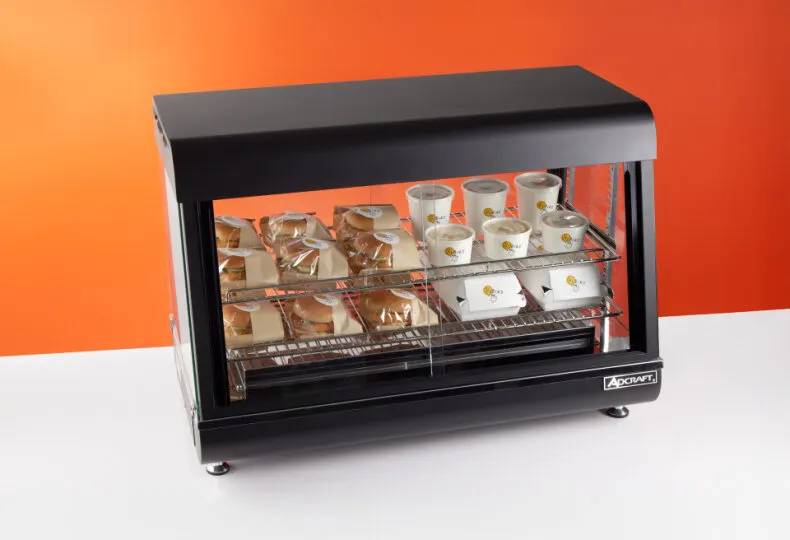
Packaging that maintains freshness and temperature is a key request that ProAmpac hears from c-stores, said Sal Pellingra, vice president of global package design, applications and business development. “Heat-and-hold performance is especially important as fresh prepared foods continue to grow,” Pellingra said.
For cold products, McLane and packaging manufacturers look at designs in which fresh cut fruit isn’t sitting in its own juice, and that the packaging prevents LED lights in the cold case from damaging the food, Kaiser said.
Modified atmospheric packaging, retort pouches and thermal pasteurization are some techniques that can help extend shelf life and maintain freshness, Henkes said. Minimal handling and tamper evidence are also important to food safety. Label tape or perforated tear strips let consumers know the food hasn’t been opened, he said.
McLane’s Central Eats lineup includes sandwiches and burritos produced and packaged at a facility in oven-safe packaging with susceptor film. C-store staff don’t need to touch the food products or unwrap the packaging, so consumers can pick up the item, take it home and put it straight into the oven. Kaiser said that type of packaging not only reassures consumers that their food is safe, but it also helps c-stores simplify their operations by not having to unwrap or repackage food before it can go on the shelf.
The prepared foods trend presents an opportunity for packaging firms to develop multi-part containers that turn an item into a full meal. For example, Henkes said, a package with both a sandwich and carrots would need a divider that prevents the sandwich from getting soggy. A sushi package may have sectioned compartments for wasabi and ginger. A prepared soup or potato salad might be packaged together with a fork or spoon so the c-store doesn’t have to separately supply cutlery and the consumer doesn’t have to remember to grab it.
At the same time, having too many fresh-food packaging types takes up valuable real estate in small convenience stores.
“They don't want 15 packaging SKUs sitting on the shelves. They don't have space for it,” Kaiser said, noting that c-store operators want packaging that’s versatile and usable for multiple types of products.
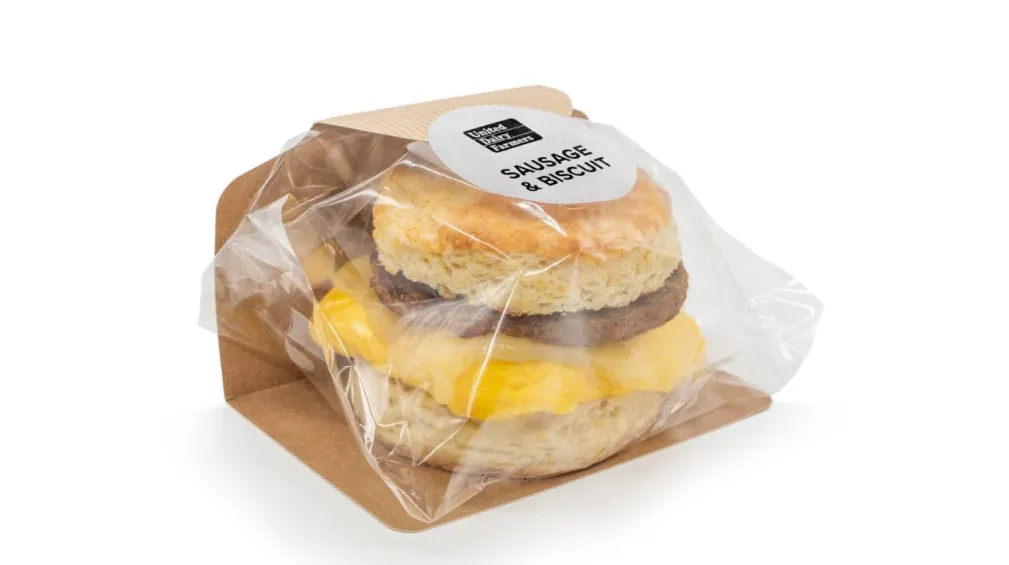
One of ProAmpac’s products, called HandRap, can be used for either hot or cold wraps and sandwiches. With hot foods, it maintains heat for up to four hours, and the shelf life is up to 48 hours. The packaging also stores flat to save space in c-stores, Pellingra said.
Boosting branding
Beyond functionality, packaging can also serve as a tool for c-stores’ own branding.
Retailers want to make their fresh food appear premium, and “packaging plays a major role in that transformation,” Pellingra said. Unified branding and graphics can help consumers make faster decisions about what they want to buy while also building brand familiarity, leading to repeat purchases in the future, he added.
Retailers such as Casey’s and 7-Eleven use their own branded pizza boxes, Levinson said. Buc-ee’s wraps some hot items in branded paper packaging.
“They do a great job with their packaging, and it's all branded with their Buc-ee’s logo and name,” Levinson said.
For smaller operators that may not have their own brands, McLane built a private label line that c-stores can stock. HiBird, which launched last year, centers on chicken products like strips and sandwiches as well as sides such as mac and cheese and potato wedges. The line comes with to-go packaging such as sleeves and bags for sandwiches, clamshells for chicken strips and side containers with clear lids.
Kaiser described the branding as colorful, edgy and fun, and it eliminates a lot of the front-end work for regional or independent chains to develop their own private label brands.
“It's available for every operator that wants to take it and use it as their brand,” she said.
Branding joins functionality as a chief consideration for c-stores as they evaluate packaging. Sustainability, while still important, has shifted from the “front burner to the back burner,” Henkes said.
Pellingra summed up ProAmpac’s approach as “fiber where possible, film where necessary.” Barrier films are sometimes necessary for visibility and freshness. But when it can, the packaging company aims to swap plastics for fiber-based solutions. In addition to sustainability benefits, fiber packaging ships flat, which reduces storage requirements in the c-store.
Levinson said cost and the bottom line ultimately supersede sustainability. If a packaging supplier were to present compostable packaging to a c-store that costs a few cents more than the existing option, “the door slams in my face,” he said.
Kaiser said McLane has a lot of conversations with packaging suppliers about new innovations and how the science behind materials has improved.
“The goal is to get to a place where sustainability and functionality aren't competing with each other. But we're not there yet,” Kaiser said.