Clearly, the U.S. packaging industry has entered the extended producer responsibility era. What remains unclear to some people is the end goal.
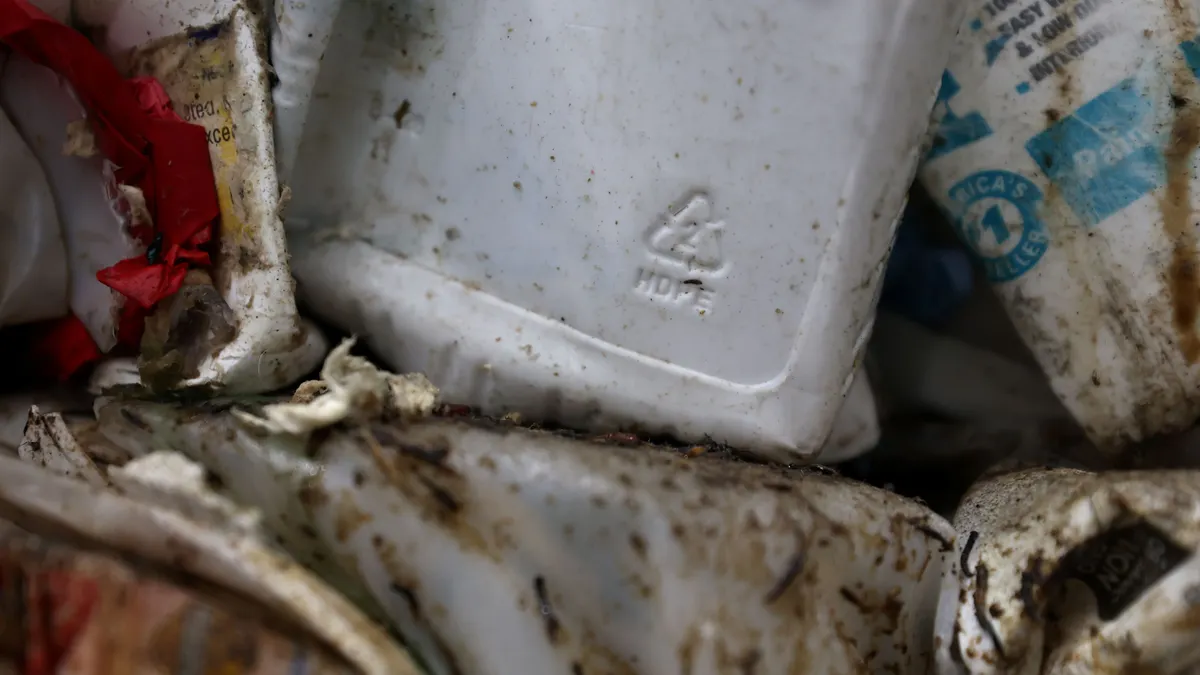
One EPR ambition is to increase recycling rates, several speakers and attendees noted during The Packaging Conference in Austin, Texas, from Feb. 9-11. But when audience members asked speakers whether they thought EPR would actually boost recycling rates, they were generally met with skeptical responses.
“Off the record?” joked Laura Stewart, executive director at the National Association for PET Container Resources, while muttering “No” and shaking her head amid audience laughter.
She turned attention to a specific example that could be an early signal. “Colorado will be a really interesting case study, because there is very little curbside recycling happening in Colorado today,” Stewart said.
Some audience members raised concerns about EPR laws potentially raising the cost of recycling without proportional benefit. Questions also arose over who exactly EPR is designed to engage.
“EPR is great for producers, but I don't know that it motivates the average human to actually recycle," said Steve Lyons, vice president for strategic environmental analysis at PET packaging consulting firm SBA-CCI, pointing to deposit programs as a better incentive. “I think [EPR] will create more access points, which is good for recycling, but you have to motivate humans.”
Jesse Medlong, an attorney with DLA Piper focused on environmental issues, broke down the meanings and implications from a variety of passed or proposed pieces of legislation in the United States. He detailed proposals at the federal level like the Pack Act, intended to standardize recyclability labeling nationwide. He also discussed California’s “aggressive agenda related to plastic packaging.”
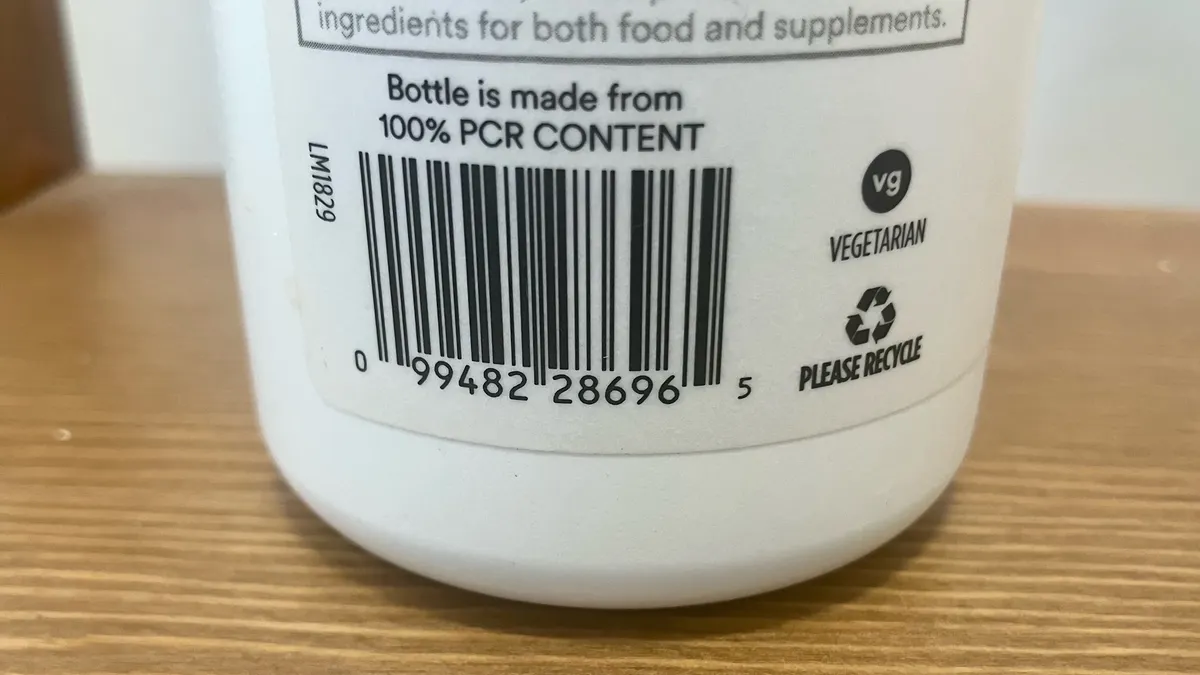
“I think it's their hope that they can either force the industry to innovate ... or accelerate a shift away from plastic,” Medlong said. For one, SB 343, California’s truth in labeling law that will restrict the common chasing arrows symbol on many packages, is due to take effect in October. “It's a challenging time to be marketing recycling on products in California,” he said.
Some speakers put forth calls to harmonize all the emerging regulations due to the burden of industry complying with each state’s mandates.
“That has to come together at some juncture, because brands can't manage it,” said Tara Cary, segment marketing manager for cosmetics and personal care packaging at Eastman. “I can't have a package that's only good for Idaho, right?”
Producers pay into a state’s appointed producer responsibility organization based on packaging volume and material type, Medlong explained. But not everyone agrees on the recyclability or sustainability profile of certain materials versus others, making the fee-setting system sometimes contentious.
“We're definitely seeing that the EPR fee schedules are much more forgiving for paper and metal, because these are known variables. We know how to recycle these. The infrastructure is pretty good. Recovery is happening,” he said. Even so, “If the goal is to try to discourage the use of less recyclable materials in some industries, there's a feeling that this is sort of discriminatory.”
Money will flow toward systemwide improvements, he said, which could indirectly boost recycling rates. “It's not just the idea that the producer pays, but also that the producers pay to innovate the infrastructure needed to make these packaging items more recyclable,” Medlong explained.
Medlong both validated and countered cynicism about whether EPR is just a money grab. “Your cynicism isn't without basis. But it's not like this goes into the general fund” for each state. It’s allocated for very specific recycling infrastructure. Still, “It remains to be seen whether it will help,” he said.
One thing is certain, though.
“This is driving change,” Medlong said. “The regulatory environment is only thickening, and it's getting more and more difficult to be in this space and to comply.”
That's leading to an increase in litigation related to packaging issues. One example was public interest organization Earth Island Institute targeting brands over recyclability and marketing claims on their plastic packaging.
In another example, the New York attorney general sued PepsiCo over pollution from its single-use plastic packaging; that suit was later dismissed. The city of Baltimore launched a similar lawsuit against entities including PepsiCo and Coca-Cola.
Specifically related to EPR, Medlong cited efforts by the National Association of Wholesaler-Distributors’ recent litigation to block Oregon's EPR law. NAW landed a win this month in the form of a preliminary injunction halting for now any enforcement for its members.
“Litigation is sort of the pointy end of all of this. And that's where we're seeing things drive,” Medlong said, agreeing with other speakers that the regulatory space will likely become more complicated before evening out. “Nevertheless, packaging EPR is catching on.”