To buy or not to buy other companies' assets: That is the question for packaging executives in 2026.
Commentary from company executives at the end of 2025 suggested muted outlooks for M&A activity in 2026 compared with previous years.
“Sentiment after Q3 was fairly tepid” for 2026, said Cael Pulitzer, managing director who leads the packaging investment banking practice at Brown Gibbons Lang & Co. Activity could be more concentrated in certain adjacent sectors with tailwinds — such as with distribution services and packaging machinery — as opposed to packaging converters, he said.
But analysts don't expect a wholesale pullback in M&A activity this year. They anticipate the pace of packaging mergers and acquisitions will at least hold steady, or more likely pick up a bit in 2026.
One impetus is that public companies’ stock prices are struggling, which puts pressure on business leaders to “do some other things now that they’ve done everything they can internally," said Xinnan Li, senior analyst at RaboResearch.
[O]rganic volume growth is limited and partially muted by trends like 'lightweighting,'" and packaging companies “face pressure to find growth from M&A,” according to a report that consulting firm Bain & Co. released this month.
Lower interest rates and expected turnover for private equity-owned assets could also drive deals. And analysts expect private equity firms will maintain or increase their presence in the packaging sector.
Deal sizes and types are poised to shift, though. The days of multibillion-dollar megamergers that peppered the last two years have mostly passed for the time being, analysts say. For one, the level of consolidation in recent years has shrunk the field of players.
Activity is more likely among smaller companies and for less eye-popping dollar amounts in the coming months — potentially in the hundreds of millions range rather than billions, explained independent consultant Jennifer Christ, who specializes in consumer and commercial goods and packaging.
Streamlining by divesting business units is also on the docket, in some cases for companies that participated in those 2024 and 2025 megamergers.
“There were a lot of big moves in ‘25, and usually cycles with a lot of big moves are followed by a period of refinement,” Christ said. “Companies decide where they really want to focus and sometimes choose to divest some operations that maybe aren't core to where they decide to build.”
Underlying all business decisions, especially for M&A, is each company's financial stability, as well as the health of the broader economy. Geopolitical and economic issues have potential to cool M&A activity.
“I think people entered the Trump administration thinking, well, this is going to be an M&A-friendly administration,” Christ said. “But it's also kind of an uncertain environment. And so often, companies are hesitant to make big moves when they're not quite sure what's going to happen.”
Early economic indicators suggest greater demand and volumes stability this year. That’s a shift from the packaging industry volumes boom during the COVID-19 pandemic, which was followed by post-pandemic declines and ongoing sluggish demand.
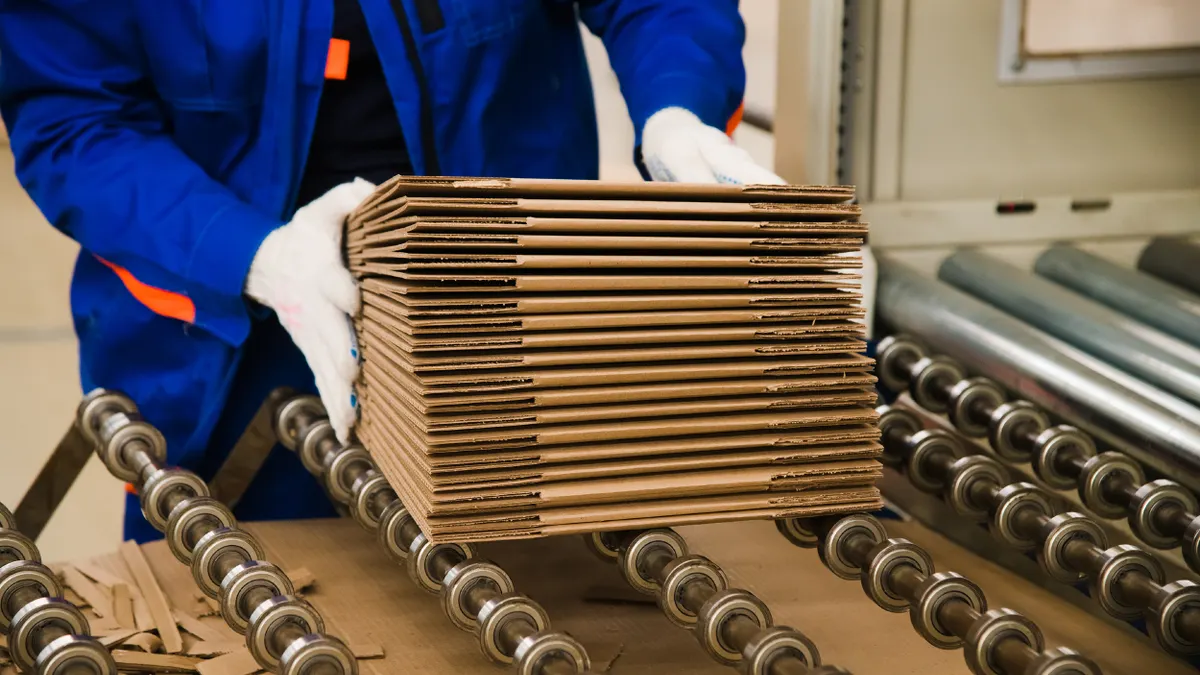
Excess capacity in certain sectors such as boxboard could lead producers to consider mergers, according to a 2026 outlook BofA Securities released this month. Similarly, “more distressed substrates” such as glass are ripe for strategic consolidation, according to Bain. Such factors play into M&A transaction volumes.
“I expect performance within packaging to return to pre-COVID levels, where organic growth was not necessarily robust, but more steady,” Pulitzer said. “I expect multiples for transactions to reflect that going forward.”
Selling points
Analysts expect the trend of streamlining businesses via divestitures, especially by companies that recently completed a large merger or acquisition, to carry over and perhaps even intensify in 2026.
“Every single major company that's gone through a mega transaction, I would not be surprised if they continue to optimize their portfolio,” Pulitzer said.
Amcor, which acquired Berry Global for about $8.4 billion last year, is a prime contender, analysts say. Company executives confirmed on a November earnings call that Amcor had recently entered agreements to sell two businesses for combined proceeds of approximately $100 million, and they anticipated additional actions for non-core assets this fiscal year. Executives have also been exploring options, such as a sale or joint venture, for the North American beverage business.
Novolex is another company that made a large acquisition last year — taking Pactiv Evergreen private in a $6.7 billion deal — and industry observers are monitoring whether it sells off business units.
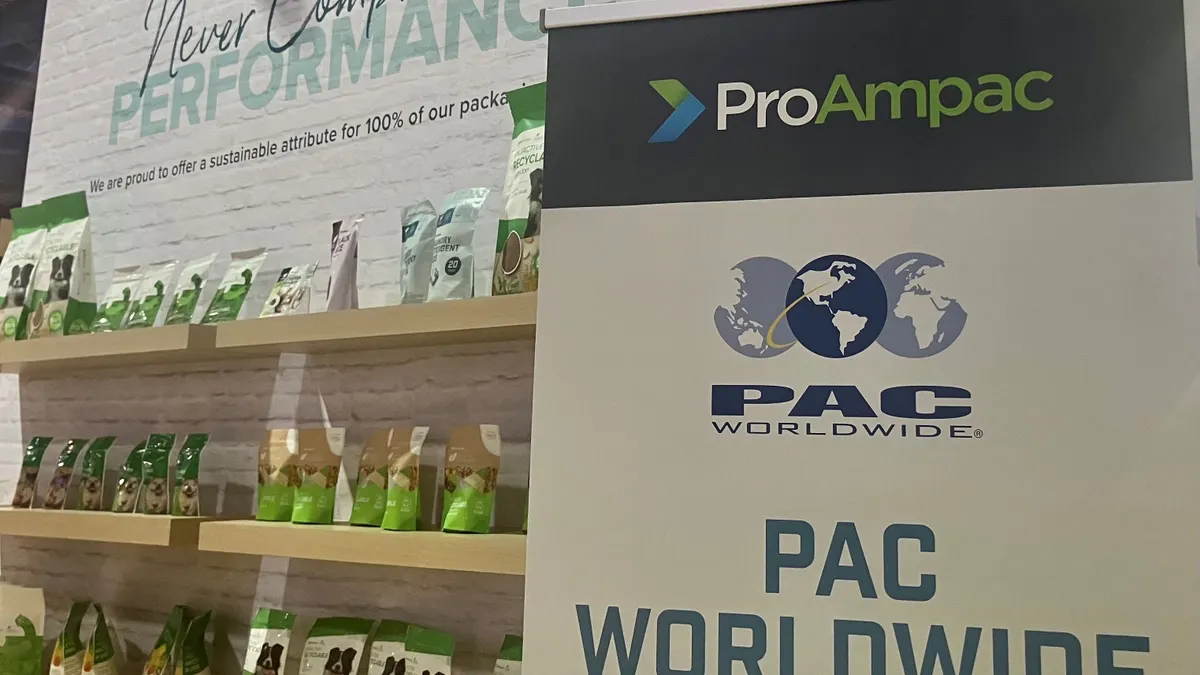
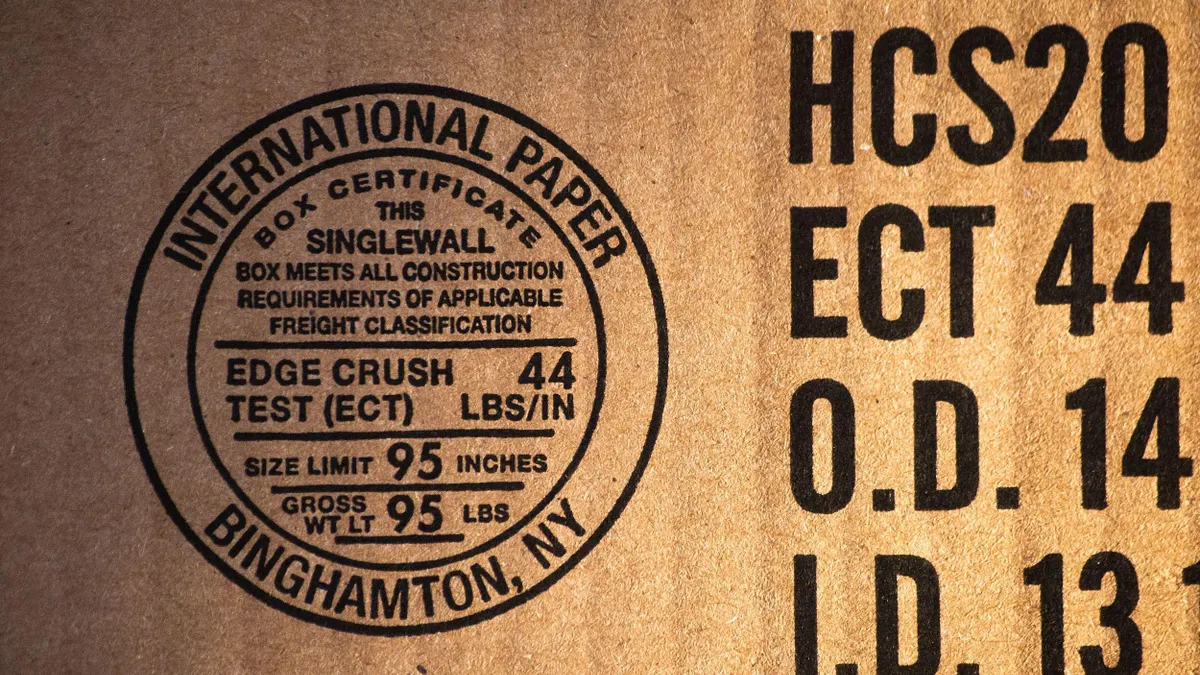
International Paper already was undergoing a streamlining process when it acquired DS Smith for about $7.2 billion last year, with executives mentioning in Q4 that additional trimming still is possible. Besides selling its bag converting business to ProAmpac in October, IP announced in August that it would sell its global cellulose fibers business to private equity firm American Industrial Partners for $1.5 billion.
Private equity’s role
Private equity's presence in packaging M&A isn't going anywhere. In fact, it could ramp up further in 2026, analysts suggest, especially if companies’ stock prices remain depressed. Overall industry performance means “it's an optimal time to invest in the packaging sector,” Pulitzer said
“PE is actively looking for deals. And they are very price sensitive,” said Michael Roxland, senior paper and packaging analyst at Truist Securities. “If they can get value, they will swoop in and try to pick up something that's attractive to them and has growth potential.”
PE transactions are expected to be especially hot this year considering the number of assets approaching the end of their hold periods, analysts say. Typical hold periods are five to seven years, and currently “over 50% of private equity-owned packaging business have a vintage of 2020 or prior,” Pulitzer said, “which would suggest a significant overhang of assets that need to be exited in the next 12 to 24 months.”
The divestiture trend also spells opportunity for PE.
“A big company that had done a big roll up, a big acquisition, in the last year and they start spinning off this piece and that piece — a lot of times it is a private equity play to pick those up,” Christ said.
One example currently playing out is with Sealed Air, which is being taken private in an acquisition by PE firm Clayton, Dubilier & Rice. The firm potentially could split it up and sell parts. The acquisition could provide Sealed Air with some direction following a period of apparent instability punctuated by multiple leadership and business strategy shifts in recent years, analysts say.
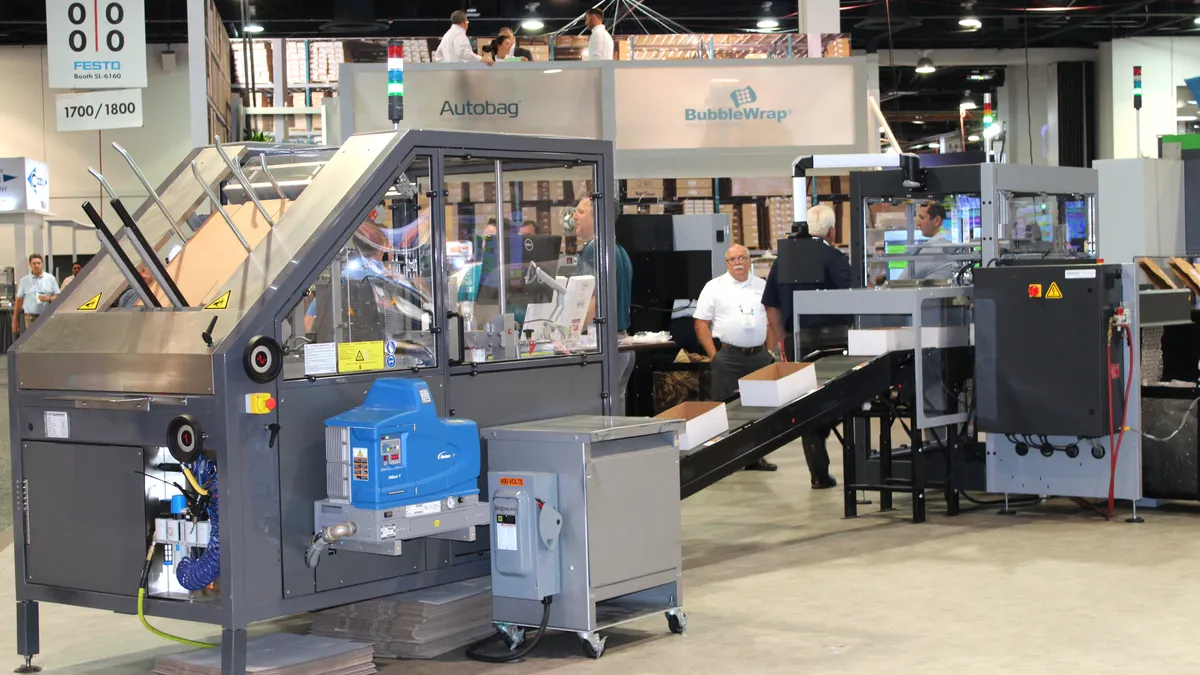
“Sealed Air has a really great portfolio of strong brands within a variety of different markets — whether it be Cryovac, legacy Sealed Air, Liquibox, Bubble Wrap, Autobag — that are very valuable platforms and they're market leaders,” Pulitzer said. “However, the synergy amongst those brands has yet to be optimized. So whether CD&R tries to optimize the combination or carves one or two or three of them out as standalone entities, that's to be determined.”
Another possibility is that CD&R combines certain Sealed Air sectors with other packaging businesses already in its portfolio or that it might acquire soon. CD&R bought Veritiv and combined it with Orora in 2024, Pulitzer pointed out.
Value plays
Analysts expect the desire to create value with M&A deals will only intensify. And companies will also conduct more thorough due diligence that considers various macroeconomic, supply and demand scenarios, according to the Bain report.
“Post-acquisition, a rigorous focus on value creation and synergy realization is more important than ever. This is critical to start pre-closing,” it says.
Scrutiny of innovation pipelines and technological capabilities is key. “I'm seeing a lot of chatter about the value-added packaging areas, like those that have safety features or a different level of demand for sustainability,” Christ said.
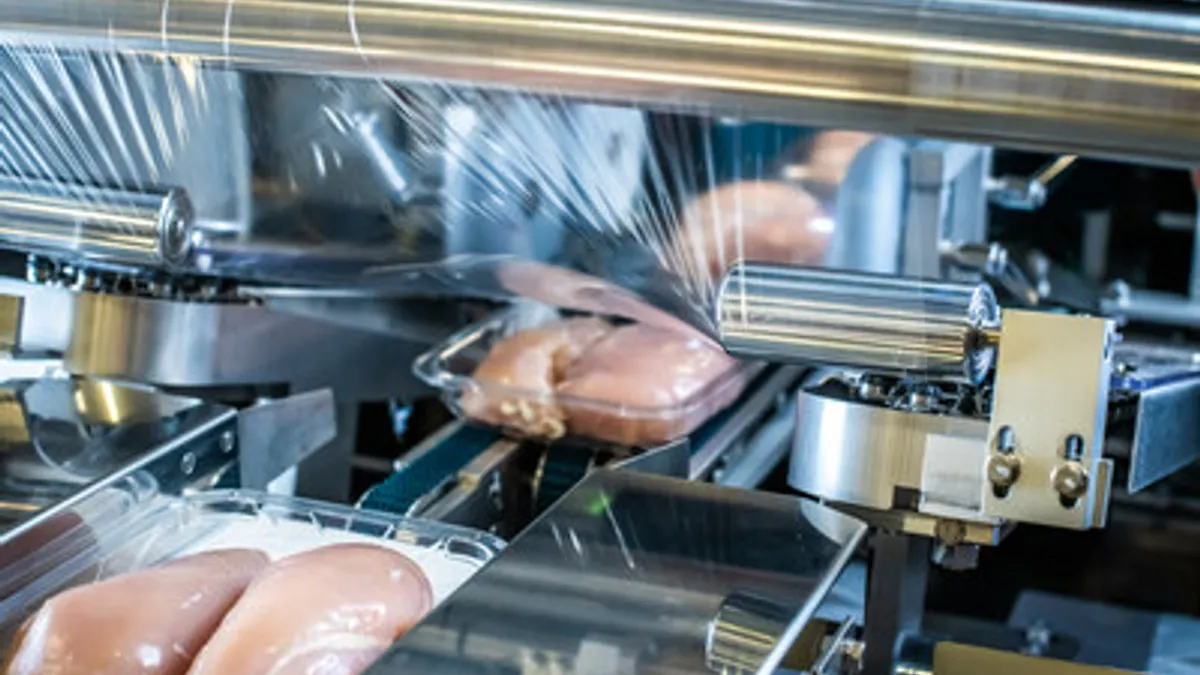
One example is barrier films that make flexible packaging more durable, functional and sustainable. Another is companies that specialize in monomaterials. Plastics-to-paper replacements continue to be a sustainability-driven growth area, analysts say, and hold potential for M&A activity.
Food and beverage customers represent a huge proportion of packaging sales, and catering to value propositions in those segments is attractive, too. Metal cans hold opportunity for value creation as demand for that format by cost-conscious consumers ticks up.
“With prices of groceries and everything going on right now, the market is looking for value options, which really benefits some canned food,” Christ said.
Cans have been one of the packaging formats most exposed to tariffs, so examining sourcing is an important factor to maintain value. The costs of materials and transport, in part due to tariffs, are just some of the factors adding to overall economic uncertainty. Also playing a role are labor costs, immigration policies, interest rates and financing costs.
When uncertainty enters the equation, “the easiest thing to say is, ‘we'll wait,’” Christ said. Even so, some of these contributing elements are short term, whereas companies also rely heavily on long-term trends like sustainability and market access to make decisions about deals, she said. In the end, the equation is complex, but it will likely sum up to greater M&A activity in 2026.
“The packaging industry does not operate in a vacuum,” Christ said. “In a complex era, trying to figure out what is the simple story to tell is probably where these companies are going.”