New year, new packaging requirements.
In certain states, there are newly added parameters and restrictions governing packaging materials, labeling and types that have taken effect in January or will later in 2026. There are also notable extended producer responsibility program milestones expected in states including Colorado and California.
California
Say goodbye to plastic bags at grocery store checkouts in the Golden State. SB 1053 took effect Jan. 1.
While California passed a ban on certain single-use plastic carryout bags more than a decade ago, plastic bags made of a thicker film that were considered reusable were still allowed. Proponents of SB 1053, which was signed by Gov. Gavin Newsom in 2024, said this actually led to a proliferation of plastic. According to CalRecycle data cited by bill author and state Sen. Catherine Blakespear, the tonnage of grocery and merchandise bags disposed by Californians grew by 47% between 2014 and 2022.
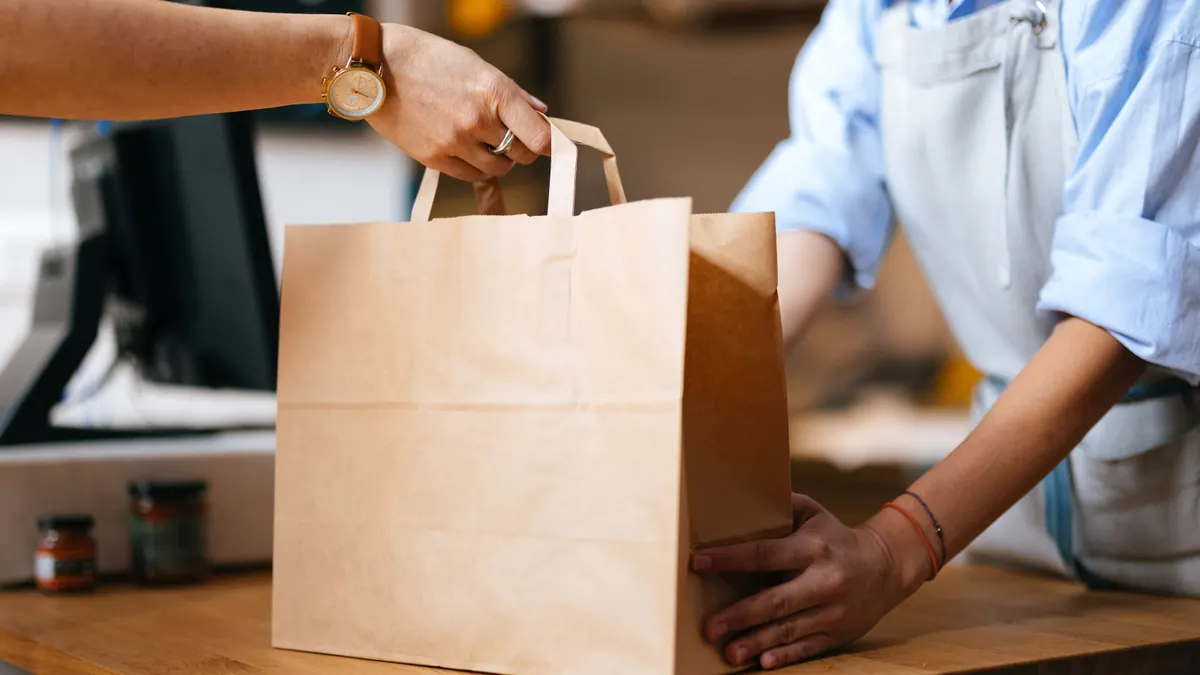
Stores can now only offer recycled paper bags at checkout, charging at least 10 cents. Two years in, the threshold for recycled material in those bags will rise from 40% to 50%. Consumers can also use their own bags.
“Californians have been ready and able to shop without plastic bags for a long time, and I’m glad SB 1053 finally follows through on the state’s original ban so we can effectively reduce plastic waste and better protect the environment,” Blakespear said in a Dec. 30 statement.
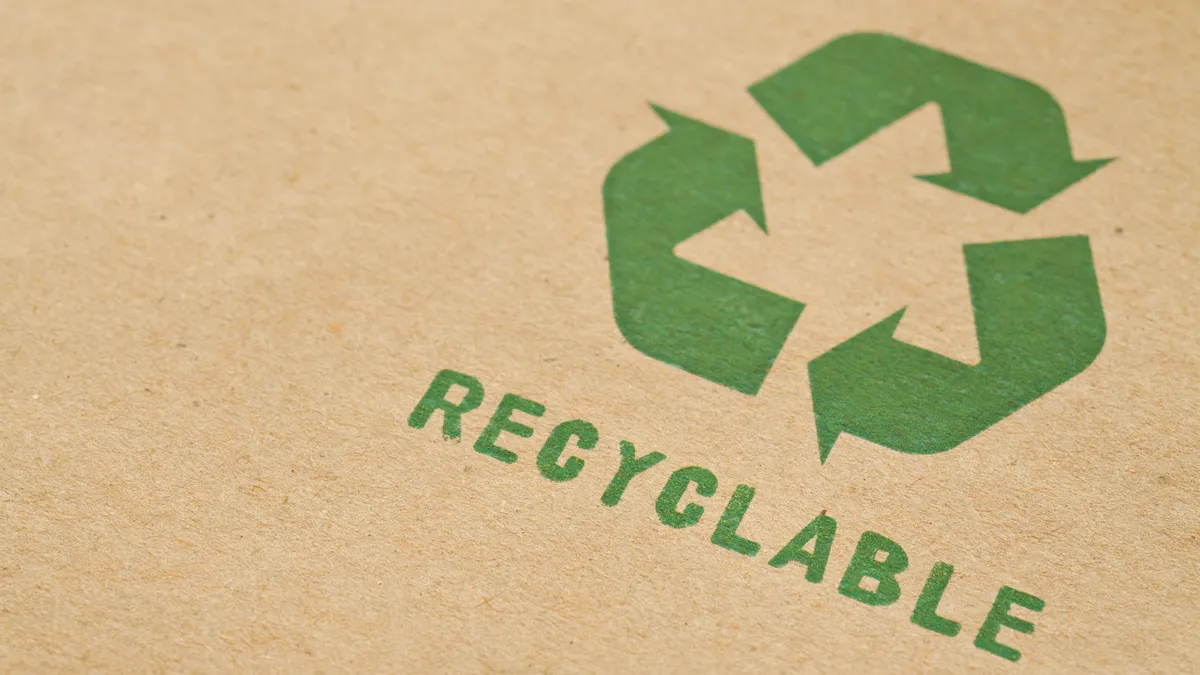
California also has a monumental change coming on recycling labels later this year, with “truth in labeling” law SB 343 supposed to come into force on Oct. 4. CalRecycle says that products and packaging manufactured before that date are not subject to the restrictions, regardless of when they are sold. SB 343 was signed in 2021, aiming to crack down on the use of the chasing arrows symbol to indicate product and packaging recyclability unless specific criteria are met.
Illinois
An Illinois law ending hotels’ distribution of small shampoo bottles and other containers for personal care products for guests applies to all hotels in the state as of Jan. 1.
Gov. J.B. Pritzker signed SB 2960 in 2024, and the restrictions applied to hotels with 50 or more rooms as of last July.
Additionally, effective Jan. 1, Illinois has disallowed the sale or distribution of food packaging that contains any intentionally added perfluoroalkyl and polyfluoroalkyl substances. In addition to packages and shipping containers themselves, this includes any components such as exterior strapping, coatings, closures, inks and labels. HB 2516 was adopted in 2025 to amend the PFAS Reduction Act.
Maine
Maine is also cracking down on forever chemicals in packaging.
The state’s Board of Environmental Protection in 2024 adopted rules to prohibit PFAS use in certain types of food packaging, effective May 25, 2026. The rules apply to plant fiber-derived packaging materials, such as paper or paperboard bags and sleeves, containers, food boats, wraps and liners, pizza boxes and more. The Maine Department of Environmental Protection specified that the prohibition does not apply to food and beverage manufacturers with national sales below $1 billion.
Wider PFAS-in-packaging restrictions will apply come 2032.
New York
Foam is on the outs in New York. Since 2022, the state has prohibited the sale or distribution of polystyrene foam packing peanuts, as well as disposable food service containers like cups, dishes and trays. As of Jan. 1, 2026, that ban also applies to cold storage containers such as coolers and ice chests. The state specifies that its foam ban does not include New York City, “which implements a separate city-wide ban on these products.”
The Empire State is also expanding a ban on plastic personal care bottles smaller than 12 ounces in hotels and similar lodging establishments with fewer than 50 rooms.
“Expansion of these restrictions will further benefit New York State residents and the environment and will encourage a switch to container and packaging options that are reusable, recyclable, and compostable,” said Department of Environmental Conservation Commissioner Amanda Lefton in a statement.
Virginia
All food vendors in Virginia will have to comply with an expanded polystyrene container ban come July 1, 2026. A 2021 law already took effect on July 1, 2025, for vendors with 20 or more Virginia locations.
Washington
Washington banned single-use plastic bags starting in 2021, and is now implementing a slate of new retail bag policies as of Jan. 1.
Retailers and restaurants must now charge 12 cents for plastic film carryout bags given to customers, while the charge for paper bags, which must contain at least 40% postconsumer recycled content or wheat straw, remains at 8 cents.
For plastic bags that are technically reusable, they must continue to have a minimum thickness of 2.25 mil. The state passed HB 1293 last year, which delays a required thickness increase to 4 mil from Jan. 1, 2026, to Jan. 1, 2028.) At the same time, the state is trying to discourage those thicker plastic bags; at retailers and restaurants that are already distributing plastic film bags that are 4 mil thick or greater, an additional 4 cent charge (16 cents total) will be in effect from Jan. 1, 2026, to Dec. 31, 2027.
There are no charges for paper bags smaller than 882 cubic inches or plastic produce bags. The Washington Department of Ecology describes consumers’ own reusable bags as “the best option” and describes compostable bags as “not recommended,” given their lack of acceptance at most commercial composting facilities in the state.