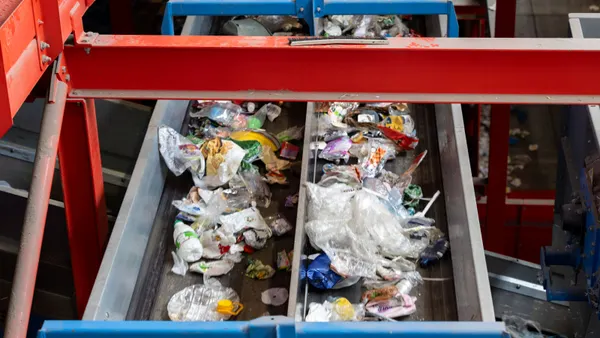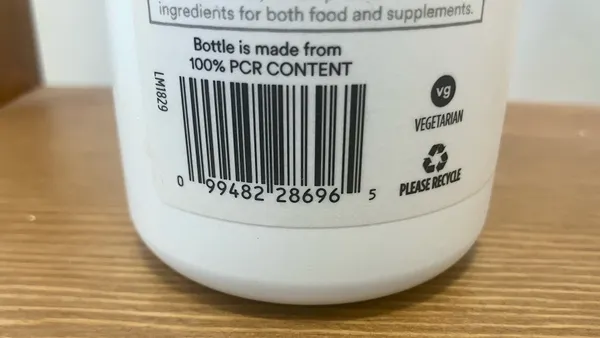

For years, packaging decisions focused primarily on cost, protection, transportation efficiency and shelf performance. Today, regulators and brands are asking more difficult operational questions. EPR is forcing the conversation.
Can materials actually be recovered efficiently? Can reusable packaging remain traceable through years of circulation and reuse? Can companies verify compliance, recovery rates and circular performance across increasingly complex supply chains?
Those questions are forcing the industry to rethink something it long treated as a relatively minor operational detail: product identity.
In modern reusable packaging systems, identity is no longer simply a barcode or label applied at the end of production. It has become part of the infrastructure required to support automation, recovery systems, traceability and long-term circular operations.
And that is creating a problem many organizations are only beginning to recognize.
Every tracking system has a hidden weakness
Every modern track-and-trace platform depends on physical identity.
The difference between systems is simply what they assume will keep that identity intact.
Optical systems assume the barcode remains readable.
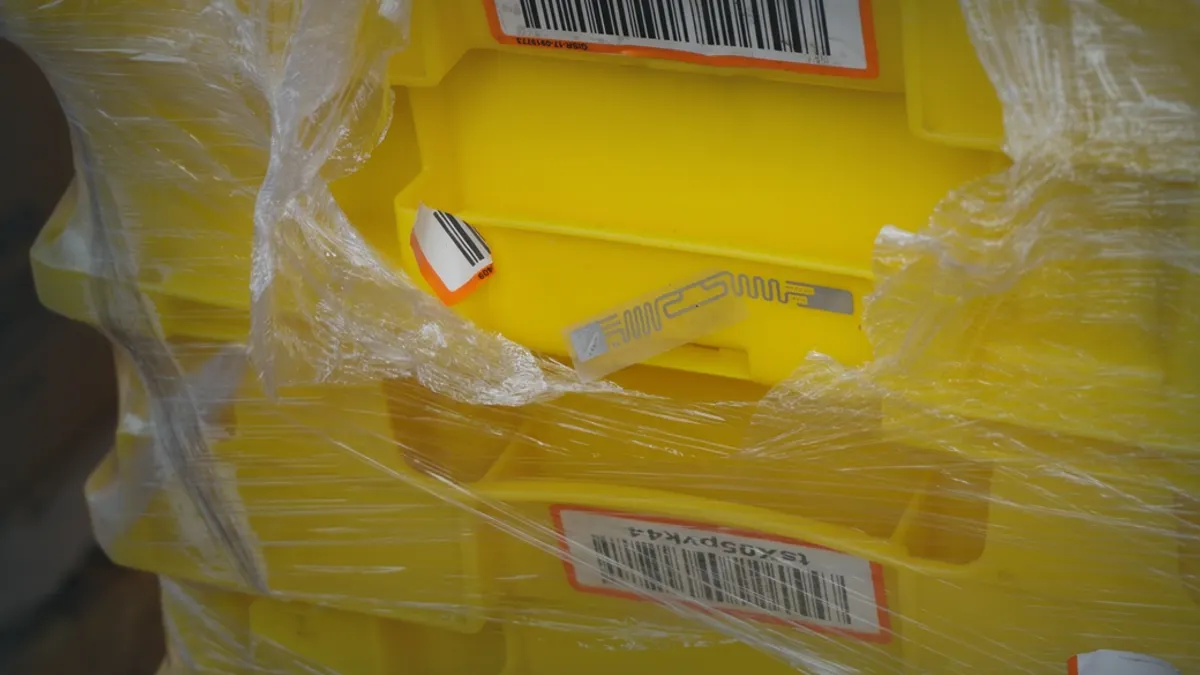
RFID systems assume the tag survives heat, abrasion and repeated handling while remaining attached to the asset.
Bluetooth Low Energy (BLE) and active connected devices assume the device remains powered, functional and present.

In controlled environments, these systems can perform extremely well. Reusable plastic systems are rarely controlled environments.
HDPE and polypropylene assets move through wash cycles, chemicals, UV exposure, abrasion, forklifts, loading docks and outdoor storage yards. Over time, surfaces degrade. Labels peel. Tags detach. Devices fail or disappear.
And once the identity layer starts failing, the larger systems connected to it begin drifting out of sync.
Tracking gaps increase. Manual intervention rises. Automation reliability weakens. Recovery systems lose visibility. The software is rarely the problem.
The failure is physical.

The blind spot in supply chain innovation
Data is fuel for modern supply chains. AI agents, analytics, efficiency – all driven by real time data. Very little attention was spent on whether the physical identity itself could survive long enough to support those systems.
That is beginning to change.
Because before supply chains can digitize assets, they must first ensure the asset remains identifiable. This is where mono material labeling approaches the problem differently.
Instead of applying a separate identification layer onto plastic, the identity is fused directly into the compatible plastic substrate itself. No adhesive layer. No secondary film. No separation between the label and the asset.
And as EPR programs continue expanding globally, those environments are becoming more important, not less. Circular systems require packaging assets to survive longer, circulate more frequently and remain traceable through far more operational touchpoints than traditional linear packaging systems ever demanded.
That reality is beginning to expose one of the industry’s largest blind spots: many identity systems were originally designed for shipment durability, not lifecycle durability.
Why this matters for EPR
For years, packaging innovation focused primarily on making materials recyclable. EPR is now pushing the industry toward a more complex challenge: maintaining identity throughout the operational life of the asset itself.
That shift matters because circular packaging systems depend on long-term traceability. Assets may circulate for years across multiple users, facilities, recovery streams and reuse loops. If the identity layer fails halfway through the lifecycle, the larger systems connected to it begin losing reliability long before the asset itself reaches end-of-life.
This is where mono material labeling approaches the problem differently. Instead of applying a separate identification layer onto plastic, the identity is fused directly into the compatible plastic substrate itself. The barcode, QR code, warning, or serial number becomes part of the product rather than something attached afterward.
The distinction may sound subtle. Operationally, it is significant.
No adhesive layer means no delamination over time. No secondary film means no separation between the identity layer and the asset itself. The identity becomes materially aligned with the lifecycle of the packaging.
And increasingly, that alignment matters because EPR systems require packaging that remains identifiable, traceable, durable and materially compatible through years of use and eventual recovery.