The days of store brands being tradeoffs from national brands are gone. That change brings new opportunities for packaging partners on both ends of the spectrum.
Higher-income households are embracing private labels, unit sales of store brands are growing as those of national brands decline and a majority of Gen Z consumers believe private label products are just as good as branded items.
“Being price savvy has become more of a badge of honor,” said Lisa Peteet, creative director and co-founder of Atlas Branding, a branding and packaging agency. Younger consumers have “embraced buying private label, but they still value design.”
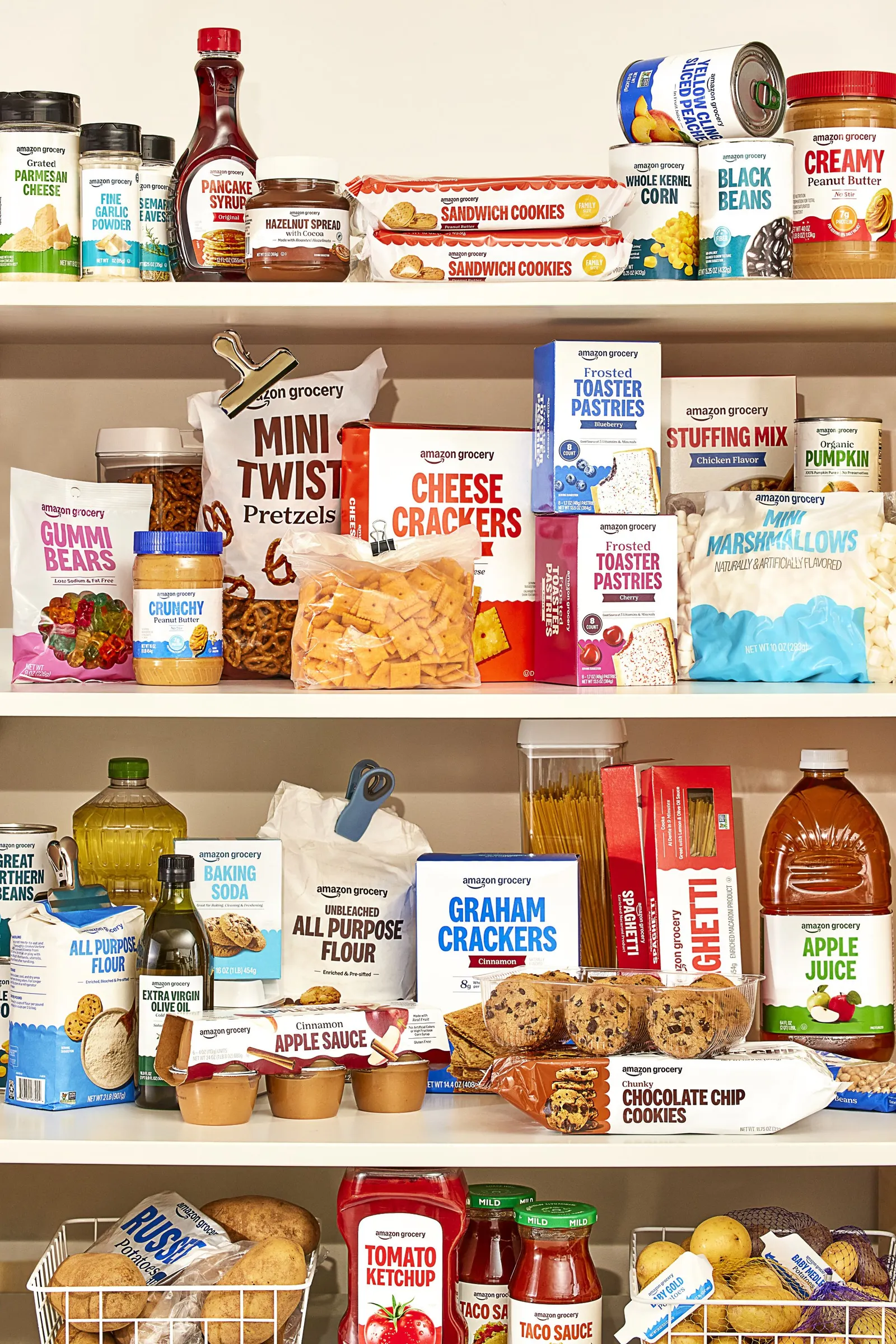
That confluence of factors is driving retailers to establish distinct identities for their store brands, with Aldi, Amazon Grocery and Walmart all redesigning private label packaging over the last year. They’re treating private labels more like individual brands than a singular department within the company, said Eran Mizrahi, founder and CEO of Source86, which sources bulk ingredients and manufactures private label products.
As private label booms, it’s opening doors for packaging suppliers to participate in the growing and evolving segment. It’s pushing national brands and their suppliers to develop packaging that proves the product is worth a premium price.
“Packaging is where a retailer brand shows shoppers what it stands for,” said Peggy Davies, president of the Private Label Manufacturers Association. “On the shelf, it is the product’s most immediate opportunity to make its case.”
Private label builds an identity
Mizrahi credits one retailer in particular for changing the perception around store brands.
“Trader Joe's did a really good job at educating the market that you can build a whole brand around value,” he said. At Trader Joe’s, 82% of unit sales come from store brands — the highest of any retailer, according to data from market research firm Numerator.
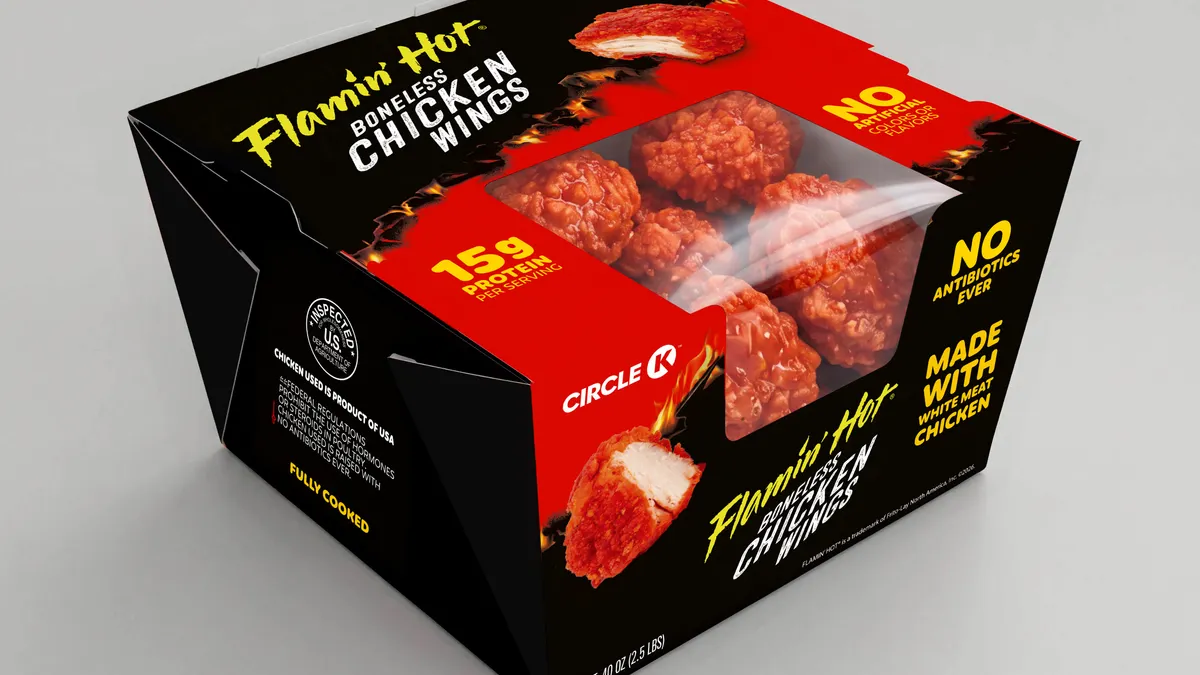
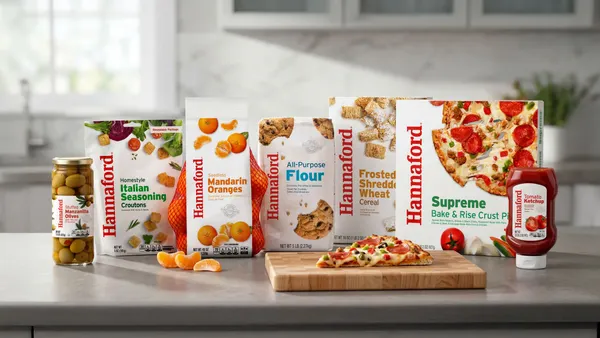
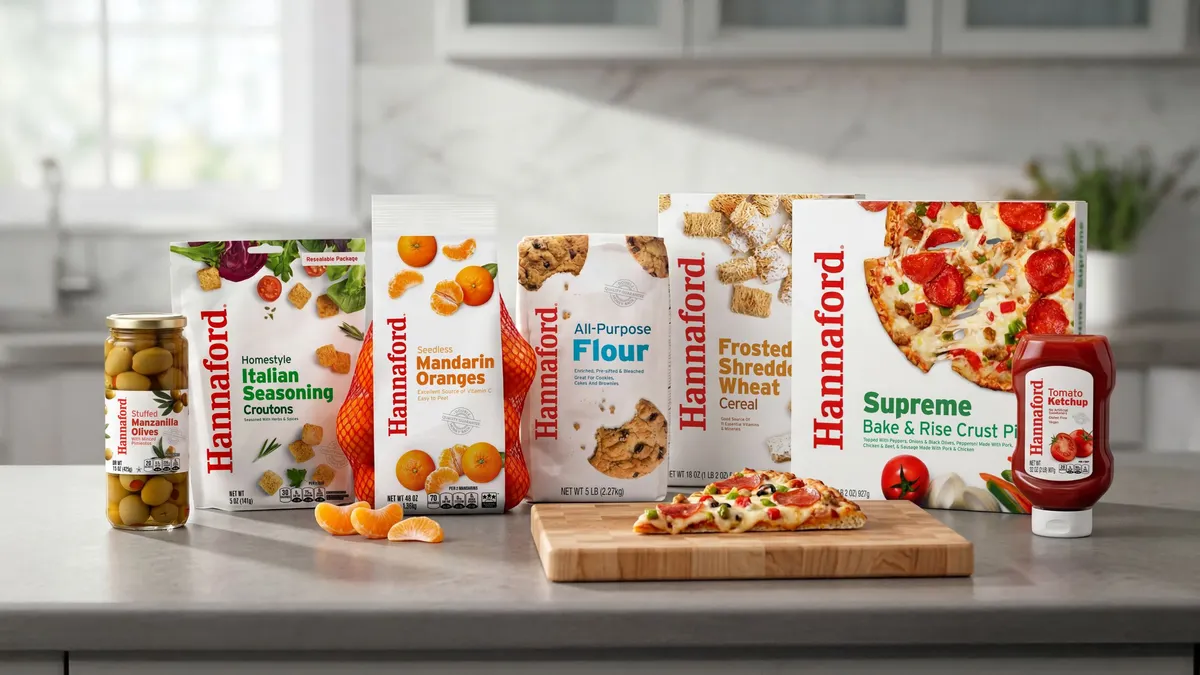
One of the biggest recent changes in private label packaging is placement and prominence of the logo, Peteet said. As private labels build identities, retailers “want their logos really big on their packaging now,” Peteet said, while the product imagery takes less real estate on the package. “That is a complete flip right now in the industry.”
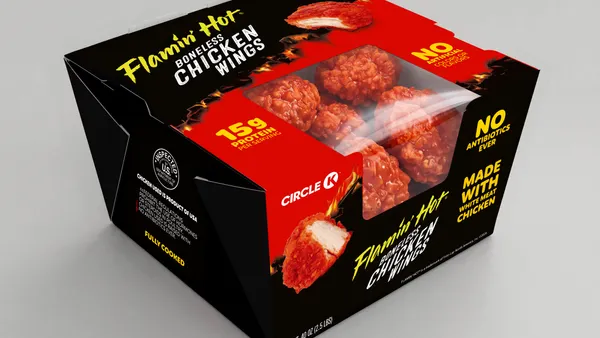
Private labels can stand out on the store shelf through bold colors, legible fonts, and “punchy and clear” wording, said Michelle Leong, a partner at consultancy Simon-Kucher focused on consumer goods and retail. Designs also need to render well online for e-commerce, with consistency across on-shelf and on-screen packaging, Leong said.
Retailers use store brand packaging to show they understand their customers’ priorities. Trader Joe’s uses playful copy and hand-drawn graphics to appeal to its customers, Davies said. Meanwhile, Aldi and Walmart shoppers tend to be budget-focused. And Sprouts Farmers Market customers seek organic ingredients, so packaging has “a clean aesthetic and the stylized green leaf in its logo,” Davies said. “It communicates, ‘We know who you are.’”
Private labels are experimenting with limited-edition products and trendy flavors, where previously they might have offered a singular flavor, Mizrahi said. This change opens opportunities for packaging manufacturers to supply materials for short-run or specialty SKUs.
Retailers are also considering lightweighting their packaging, implementing monomaterial designs, incorporating more recycled content and swapping in paper-based alternatives for their private labels, Davies said. But if a sustainable redesign drives up the price point, brands likely won’t do it, Peteet said.
Packaging private labels
For packaging companies exploring business opportunities in private label, Davies said the key is to frame it as brand building, not just filling a container.
On the other side of the coin, packaging firms that work with national brands may need to double down on packaging that conveys the products are worth a premium, she said.
Packaging partners must be cautious of mimicking national brands’ designs, although the issue is less of a problem as private labels create their own identities.
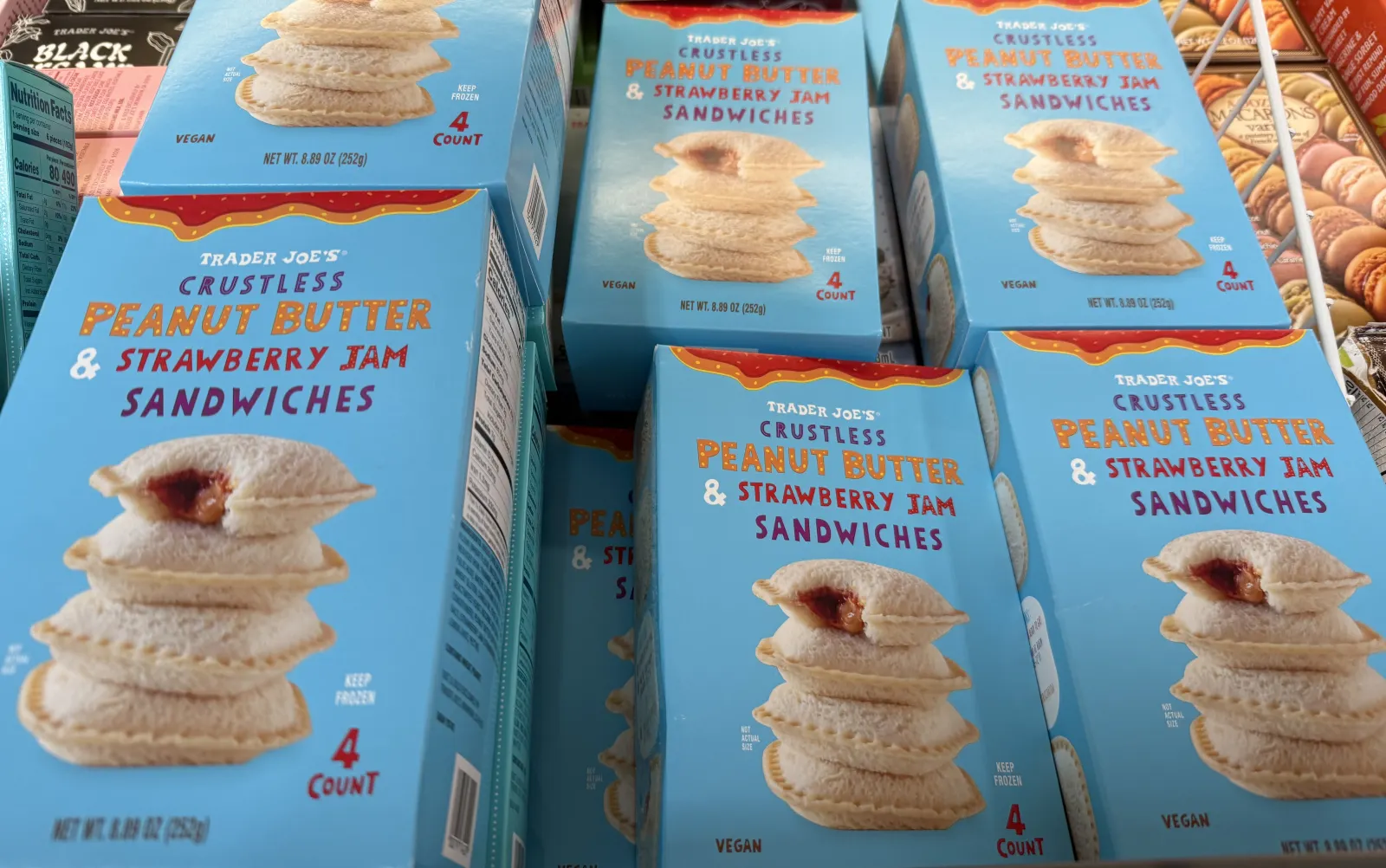
Last year, J.M. Smucker sued Trader Joe’s, alleging the latter copied the former’s Uncrustables packaging with a similar blue color and an image of a round sandwich with crimped edges and a bite taken out. In August, a federal judge ruled that the lawsuit can proceed. Mondelēz International previously filed a suit against Aldi, alleging the discount grocer copied packaging of Oreos, Chips Ahoy! and five other brands.
When Atlas works on redesigns, it uses Google reverse searches if a packaging design begins to feel familiar and adjusts accordingly, Peteet said.
Packaging partners also need to offer short lead times and flexible operations that keep pace with retailers’ private label development, Davies said.
Retailers with heavy private label focuses, like Aldi and Costco, can bring products to market with speed — and pull them just as quickly if they're not selling, Mizrahi said. Product launches are speeding up as retailers build in-house capacity. In turn, the trend is pushing national brands to ensure they don’t fall behind, disrupting the “comfortable seat” they once had in their categories, Mizrahi said.
Mizrahi doesn’t anticipate a slowdown in private label’s boom. Even if inflation tempers, consumer buying habits have changed, and retailers have invested in their fast-growing store brands.
“I think it definitely makes the national brands more nervous,” Mizrahi said.