
Manufacturers are increasingly prioritizing energy procurement — including efficiency, fuel diversity, or other investments — amid an ongoing rise in prices.
Few industries have been untouched by this year’s convergence of geopolitical turmoil, an artificial intelligence infrastructure boom and federal policies that have contributed to energy cost increases. While natural gas prices in the United States have been low for at least the last decade, as characterized by consultancy Wood Mackenzie, the conditions that kept those prices steady are “no longer all operating at full force.” Prices, it said, will inevitably “need to rise to grow supply.”
Yet long-term energy resilience is not a new agenda point. In many ways, such events have confirmed the need for investments that manufacturers have been pushing for years.
“These businesses have long horizons and they're usually not very reactionary to acute events,” said Brandon Isakson, managing director for industry at environmental nonprofit Fresh Energy. “But we are seeing more of the conversations happening around hedging against fossil fuels.”
The forces driving energy initiatives
For packaging manufacturer Smurfit Westrock, global developments such as the war in Iran simply “reinforce the importance of understanding energy risk and maintaining a really resilient, diversified approach to energy sourcing,” said Christopher Davidson, vice president of sustainability engagement.
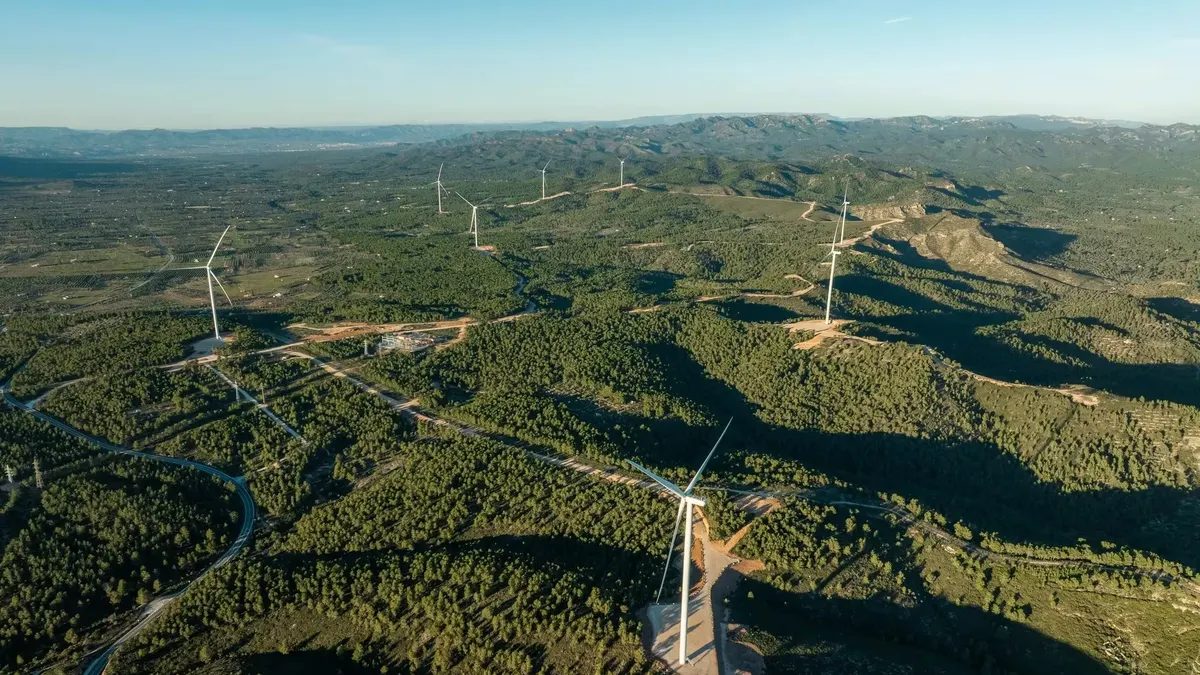
In one recent initiative, the company announced a 10‑year virtual power purchase agreement in collaboration with PepsiCo, Givaudan and Statkraft, the last of which operates a wind asset in Spain. While the agreement does not deliver any electricity directly to the company, it enables the developer to modernize its project and offers each investing company multiple renewable energy certificates every year to offset scope 2 emissions.
“We have smaller solar projects at some of our facilities. But for us, where we have these larger operations, and what we’re trying to do in terms of achieving our overall targets, this type of large-scale partnership and collaboration works much better,” said Davidson.
Existing infrastructure and immediate impact and savings are a major draw, as they take advantage of the provider’s capital and technical expertise and also derisk the investment.
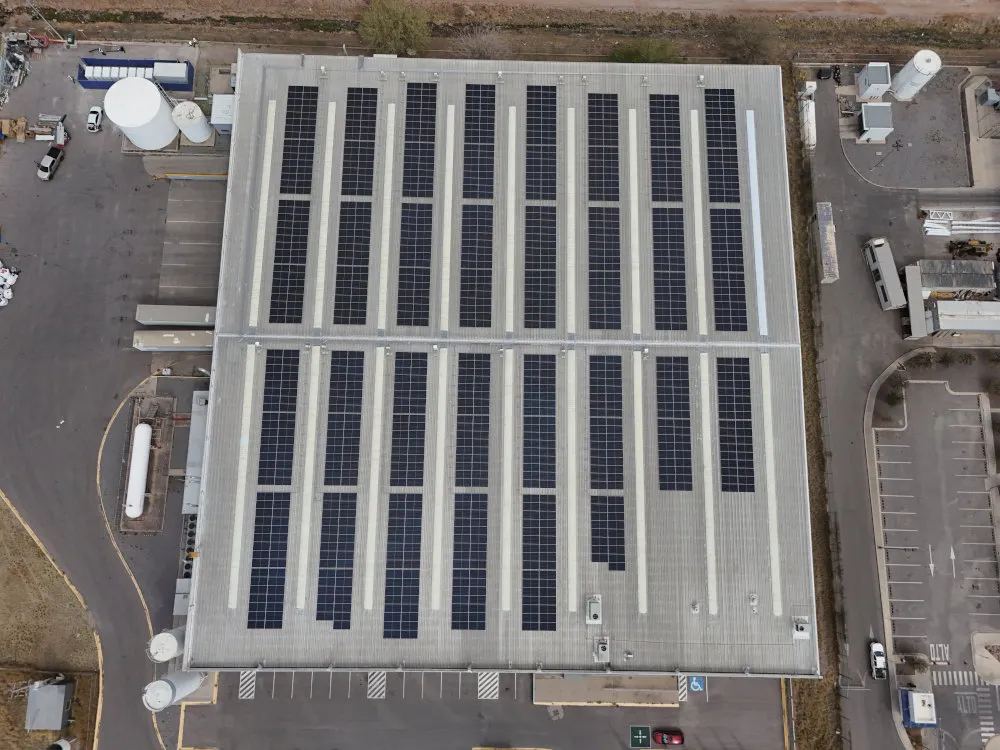
Similar conditions allowed Specialized Packaging Group to implement a renewable energy system at its plant in Chihuahua, Mexico. This combined solar generation and battery storage in an effort to reduce the company’s electricity costs by more than 25%.
SPG said the project is an “energy as a service” model: “the company pays only for the energy consumed, eliminating the need for upfront infrastructure investment.”
Investing in large projects also fulfills a strategic need to satisfy business partners and customers.
“Many bigger customers that we probably want to do business with, they appreciate these things. So it becomes kind of a win-win,” said Johan Nordenson, operating partner at private equity firm Altamont Capital Partners, which acquired SPG in 2020.
“Customers are asking for their packaging to have lower carbon, in addition to being more sustainable through other aspects. Goals are probably evolving at individual organizations because of that recognition. We want to be the partner of choice for them,” said Davidson.
Efficiency first
Whether these projects are on-site or external, they aim to guarantee a level of effectiveness that quiets naysayers.
“The industrial sector is operating on lower margins, so the opportunity for greenwashing is limited. You have to make money with the energy that you’re purchasing,” said Richard Hart, industry program director for the American Council for an Energy-Efficient Economy.
That need for high return on investment is also why manufacturers are prioritizing energy projects that deliver an immediate impact. Some estimates have indicated two-thirds of energy ends up being wasted.
“Efficiency should be at the top of the list of these procurement opportunities, right? Less food in the trash, more food in the stomachs. We want to be able to buy better and use it more effectively,” Hart said.
The most efficient projects might simply require manufacturers to look for opportunities within their own facilities.
“If you’re Dow Chemical and you’re saying, ‘I’m going to invest in nuclear’, we’re talking about a 10-year horizon and a very uncertain outcome. Whereas I can go and look in my facilities and I know exactly how I use energy right now, what the outcome is going to be, and the timeline of how to get there,” Hart said.
“So it’s faster, cheaper, and lower risk to do the energy efficiency work,” than to invest in new opportunities, Hart said.
Fresh Energy’s Isakson said “operational inertia” often keeps manufacturers from considering internal low-hanging fruit to shore up energy inefficiency. “There is still a burden of outreach, education and awareness … unless somebody is really getting in front of them and pointing out their potential cost savings.”
For some manufacturers, the burden of delivering on sustainability targets in whatever way could be why “greenhushing,” or a deliberate undercommunication of sustainability initiatives, might be becoming more prevalent.
“They want to make sure that they can actually achieve their targets versus saying something and then not being able to achieve it,” said Davidson.