Nestlé is honing its plastics reduction target, per its packaging sustainability strategy published this month.
Prior to 2025, Nestlé had emphasized various packaging sustainability targets, such as making all of its packaging recyclable, compostable or reusable. It ultimately achieved that for about 90% of its portfolio.
Now, the global food and beverage giant is emphasizing plans to cut virgin plastic use by between 12% to 17% come 2030, from a 2018 baseline, through three main avenues: incorporating more recycled content, reducing overall plastic use, and innovating with reuse and refill solutions. The company noted this target tries to take into account the planned sell-off of a stake in its water business for approximately $3.4 billion.
50% to 60% of improvement from incorporating more recycled plastic
Nestlé expects more than half of its planned virgin plastic reduction in the next few years to come from incorporating more recycled plastic. As of 2025, there was about 21% recycled content in plastic packaging. As part of this effort, Nestlé says it’s engaged in research on the food safety of recycled plastics to expand the use of recycled PET.
30% to 40% of improvement from reduction and elimination
Plastic accounted for about a quarter of Nestlé's packaging portfolio by weight in 2025. Nestlé’s total plastics packaging use had dropped to 0.86 million metric tons in 2025 from 1.7 million tons in 2018.
One avenue for reduction is through paper swaps. Nestlé also recently became one of six founding members of the Ellen MacArthur Foundation’s new PaperFlex Consortium, which aims to accelerate R&D for paper-based flexible packaging solutions as alternatives to plastic packaging. In its packaging sustainability strategy, Nestlé noted commercialized examples of this like replacing plastic laminates with paper in its Nescafé paper soft packs in Europe.
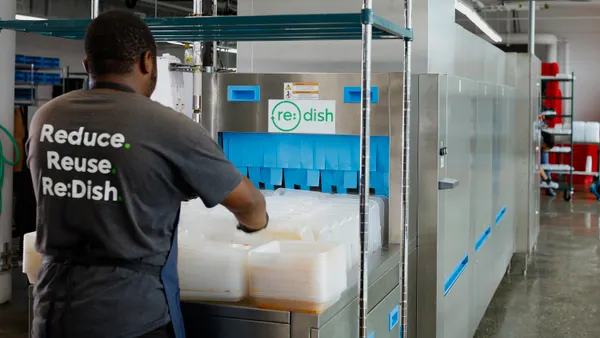
10% to 15% of improvement from using alternative materials or implementing reuse/refill solutions
In 2025, just 0.51% of Nestlé's packaging was reusable. Its updated strategy highlights untapped opportunities with at-home refill products. However, Nestlé's strategy still considers reuse and refill models to largely be in the pilot stage.