You've got mail — or rather, e-commerce deliveries. And it's increasingly likely that those products could arrive in a mailer instead of a box.
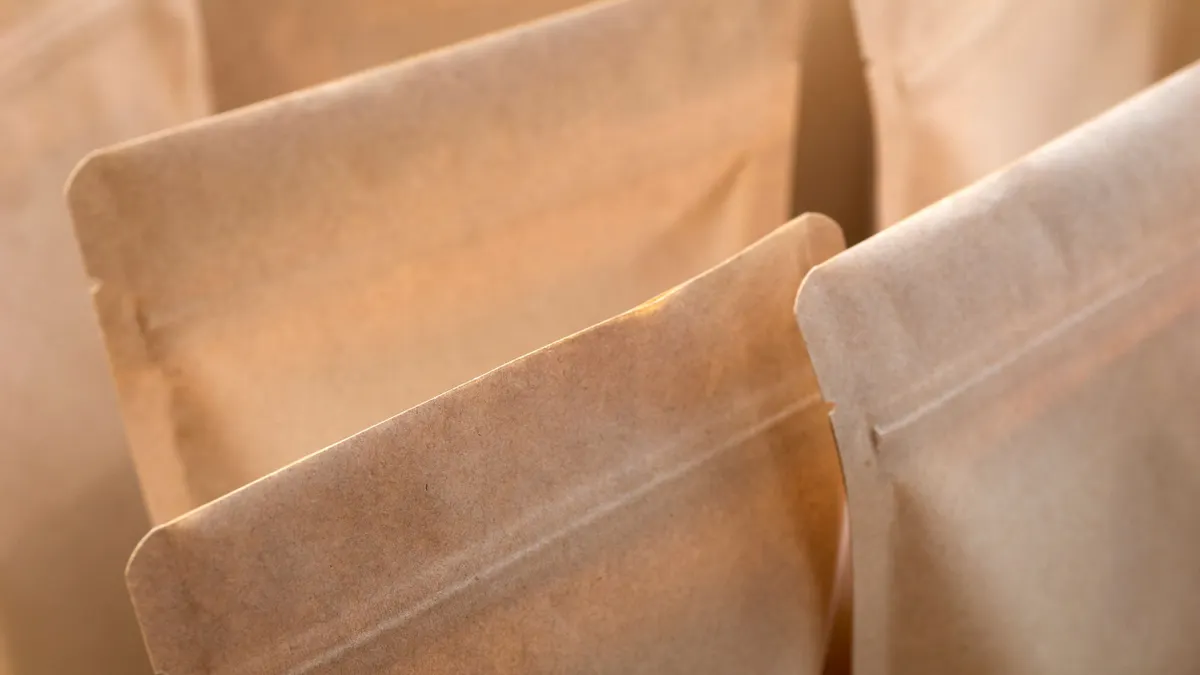
Mailers are having a moment amid market evolutions and shape, size and reuse innovations. While the e-commerce surge has helped this packaging format gain prominence, sustainability aspirations such as substrate switches and material reduction are taking demand to the next level.
Whatever the reasons, mailer manufacturers are riding the wave and chipping away at corrugated boxes’ stronghold as the most used packaging format. Ryan Fox, corrugated packaging market analyst at Bloomberg Intelligence, has noted a recent “acceleration” of paper mailer use and projected it would further eat into corrugated box volumes in 2026. Others agree with the magnitude of the movement.
“Think about the hundreds and hundreds of millions of products that we're shipping every day. They're moving to envelopes,” said Myles Cohen, founder of consulting firm Circular Ventures.
While the box-to-mailer transition had been progressing, “the pandemic put it into fever-pitch territory” thanks to the e-commerce sales boom at that time, said Katie Banghart, senior brand manager at Pregis.
Mailers’ flexible, lightweight format competes with boxes in areas such as size, material use and versatility, and poly versions provide water resistance. Transitioning to mailers also can reduce costs for e-commerce businesses, said Tony Cox, executive director of strategic accounts at Sealed Air.
Mailers are available in multiple substrates, with poly and plastic bubble-lined versions prevalent for years. Recently, the market has focused more substantially on developing fiber versions to meet customers' sustainability needs.
In the years since the pandemic, market leader Amazon has doubled down on phasing out plastic and prioritizing paper mailers, along with reducing box use. In 2023, it converted the packaging equipment at an Ohio fulfillment center to only handle fiber, including for mailers. Half of Amazon’s shipments as of 2024 were in flexibles, compared with 38% in cardboard boxes, and 13% shipped in their own product packaging.
That demand is driving both equipment suppliers and packaging converters to invest in additional production capacity and innovations, including those that enable rightsizing or easy consumer product returns.
Certain Amazon mailer suppliers are prime examples: Pregis invested late last year in a 477,000-square-foot Illinois flagship facility for mailers production, and Mondi this spring expanded U.S. production in Pittsburgh, where it expects to reach an annual capacity of 300 million paper bags.
Graphic Packaging International entered the market in 2023 with its acquisition of paperboard mailer company Bell Inc. for $262.5 million. Georgia-Pacific and Sealed Air also are among the companies that made strategic investments to expand their mailer production facilities.
“We're going to keep going down this path, and we have a lot of discussions internally about where we invest next,” Cox said.
Demand drives innovation
Packaging companies report that customer demand is driving plastic-to-fiber transitions and experimentation with mailer material and style variations. They’re also getting more requests for non-cushioned and wider-opening options. Already, more durable fiber versions have allowed e-commerce mailer use to expand beyond the initial applications for soft goods such as clothing.
In 2023, Georgia-Pacific grew its EarthKraft mailers line with the introduction of an unpadded version for e-commerce applications, and the following year it widened that portfolio with larger and gusseted options.
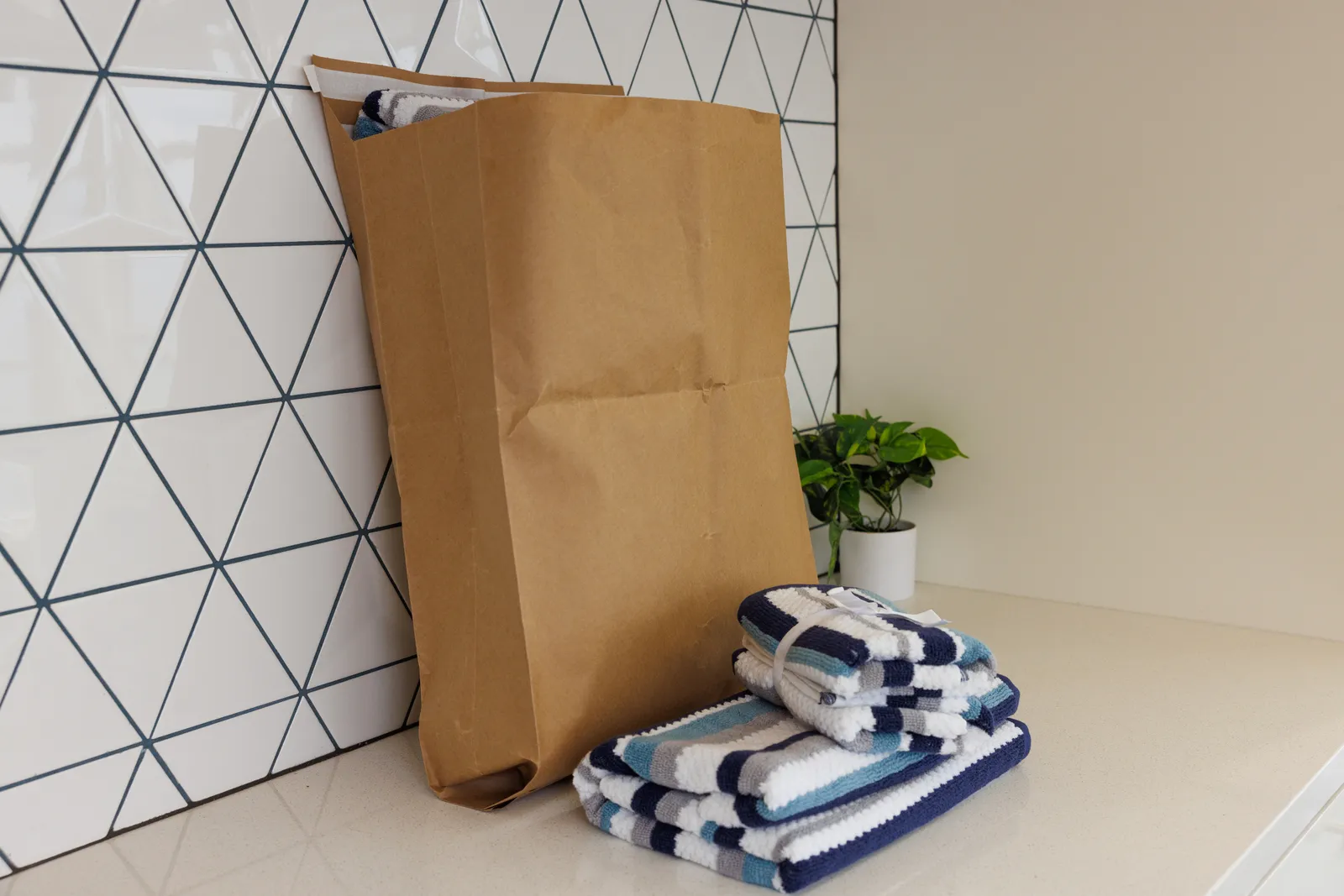
Also in 2024, G-P opened a new unpadded mailer production line at its two-year-old facility in McDonough, Georgia, with plans for additional lines there. G-P has other EarthKraft production sites in Jonestown, Pennsylvania, and Tolleson, Arizona. As of March, G-P had produced its 3 billionth EarthKraft mailer, up from 1 billion in June 2023.
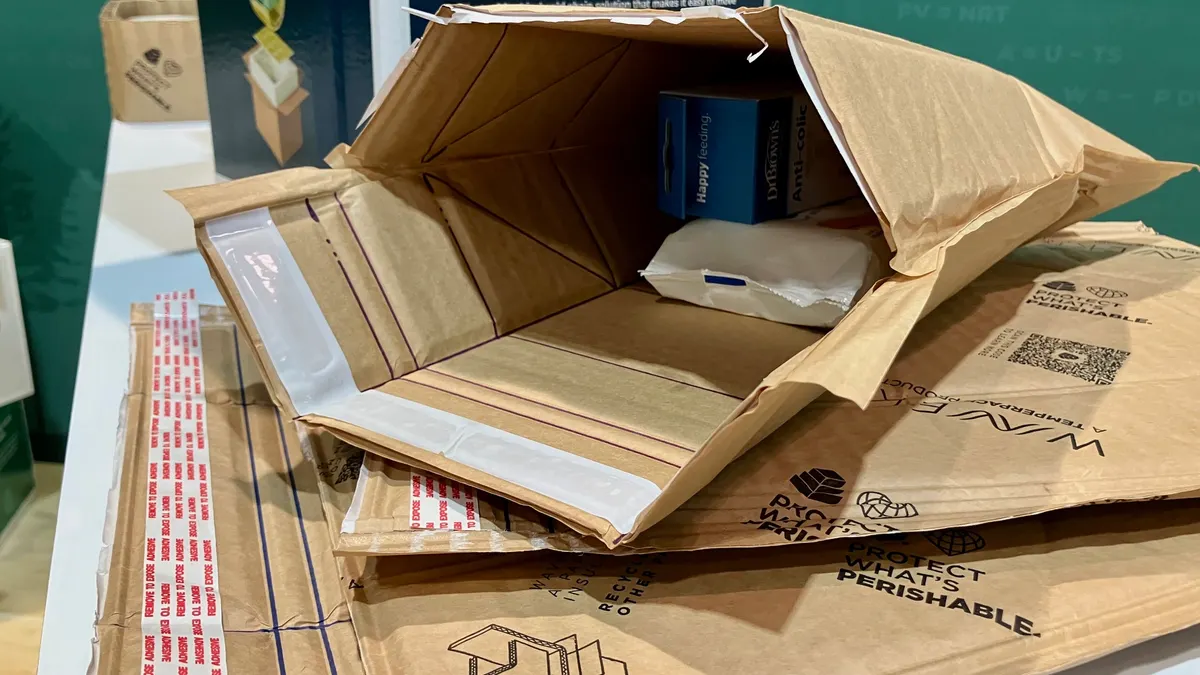
This year, TemperPack introduced its fiber padded mailer as an alternative to boxes for e-commerce shipments. The company says its proprietary engineered material, dubbed WaveKraft, gives the product up to 80% better cushioning and shock absorption than traditional fiber or plastic mailers. The packaging maintains its shape but is still flexible. The company touts the new format as having greater capacity and a wider opening while allowing faster packing than traditional mailers because of the gusseted design.
“What we were hearing in the market is there was a real need for a paper-based, gusseted mailer,” said Ann Marie Wilson, general manager for WaveKraft. Mailers are “something that we're really excited about, and we're continuing to innovate around this product all the time.”
While these mailers could be reused, they're designed for curbside recycling, she said. The more customized product fit means the mailers don't require filler or dunnage like corrugated boxes sometimes do, Wilson said, which also speeds packing and fulfillment.
In addition to producing stock mailers, TemperPack manufactures its WaveKraft machines and distributes them to co-manufacturers, e-commerce fulfillment businesses and others. The equipment can convert the fiber material into a variety of desired forms, including bags and thermal insulation panels, with mailers being the latest addition.
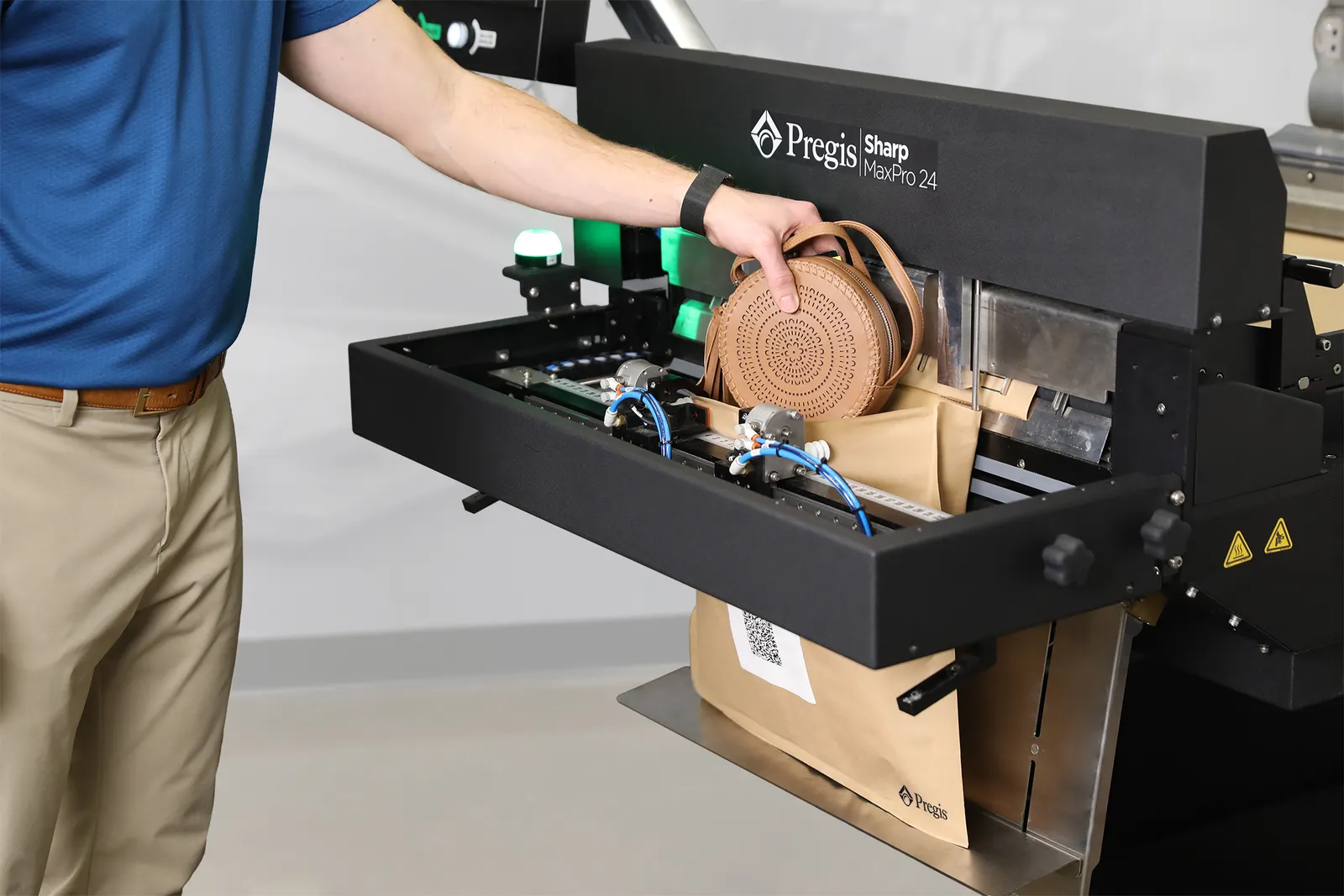
Pregis similarly offers both mailers and the equipment for making them. It has been in the poly mailer space for years, but it expanded into paper shortly before the COVID-19 pandemic, said Banghart, adding that it’s been “a huge, huge thing for us.”
The transition began with padded mailers. But as cushioning has decreased on customer request lists recently, the company iterated into non-cushioned and expandable gusset versions, all of which are recyclable, Banghart said.
Pregis hasn't experienced a significant hit to poly mailer sales, though, she said: “I think the pie is growing, more so than one thing is shrinking.” She noted a steady uptick in customers’ requests for more sustainable poly mailer iterations, such as those with more postconsumer recycled content.
Gussets are a fiber mailer innovation gaining considerable interest in the market, she said. They allow for bulkier or additional items to fit inside. They’re not typically needed on poly mailers, according to Banghart, due to that material's stretch and durability.
Mailers are considered a sustainability play in part because they enable companies to ship less air and transport more packages per shipment. Sustainability was a factor in Best Buy's recent work with Sealed Air on adding recycled content to its e-commerce and other supply chain packaging, including for fiber mailers.
The companies collaborated on testing Sealed Air's Jiffy brand embossed, padded mailer. “You're shipping quite a variety of different products with Best Buy, so you need to make sure it's versatile and flexible and dependable,” Cox said.
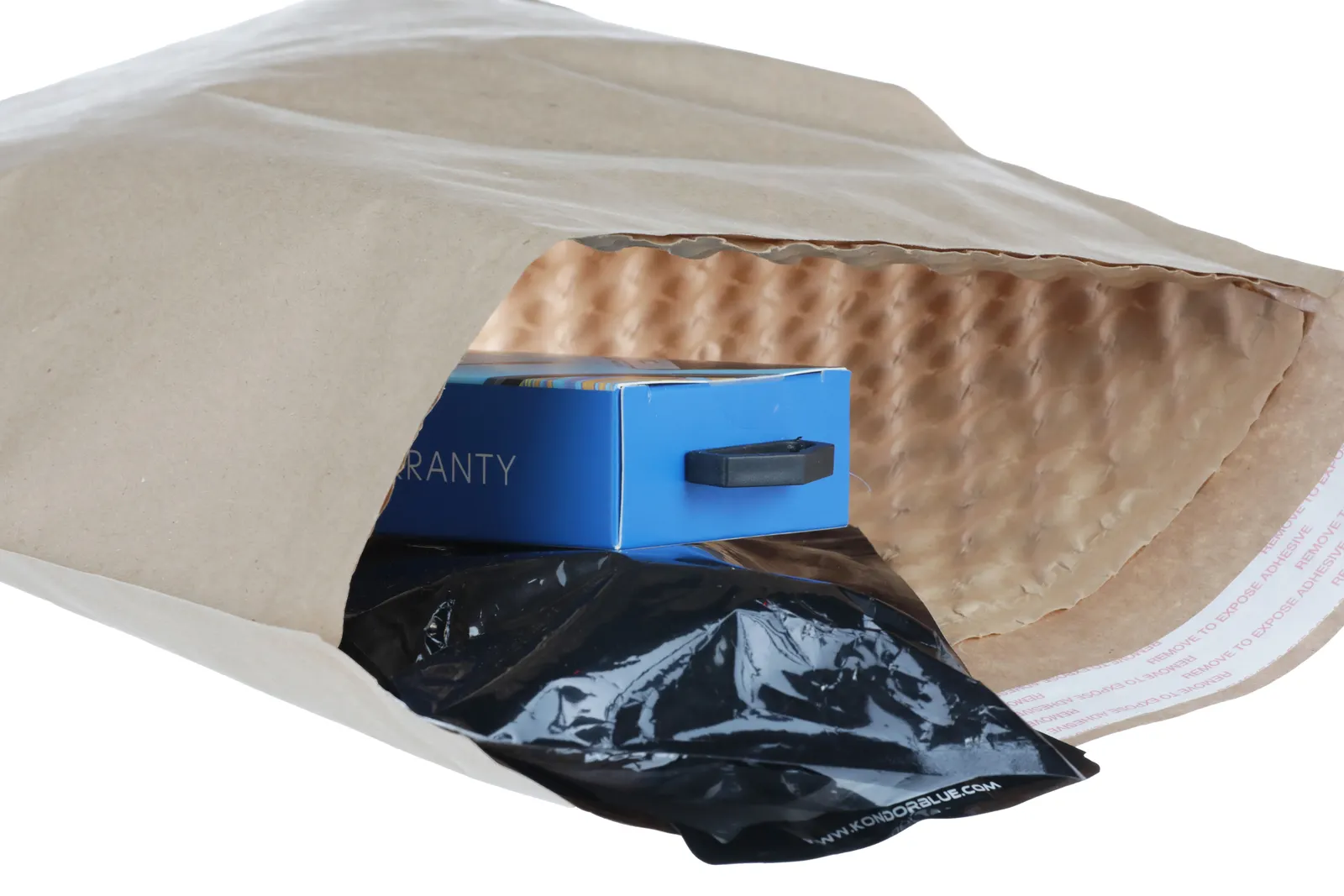
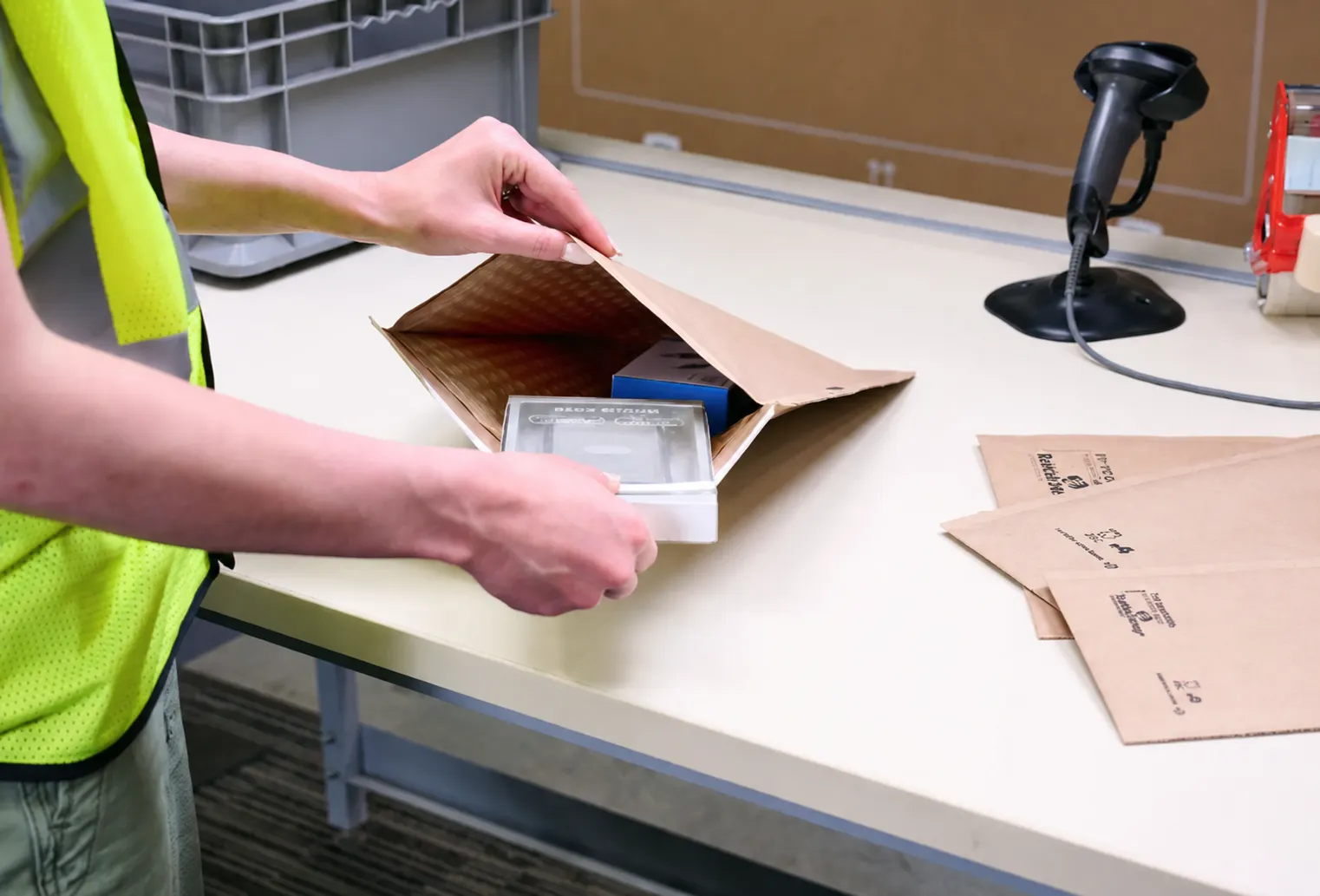
Sealed Air offers a variety of fiber and poly mailers, including under its Bubble Wrap brand. The padded fiber versions go through an embosser that creates a quarter-inch bubble on the inside of the mailer to protect the contents. “The embossing really functions as a bubble while being curbside recyclable as well,” Cox said.
This past year, the company launched a hybrid Autobag machine to enable its customers to produce both paper mailers and poly mailers on the same equipment at a rate of up to 10 per minute.
The company is investing heavily in the mailer space right now and plans to maintain that momentum, Cox said, noting exploration of fiber mailers with multiple adhesive strips for consumer returns.
Fighting dead air
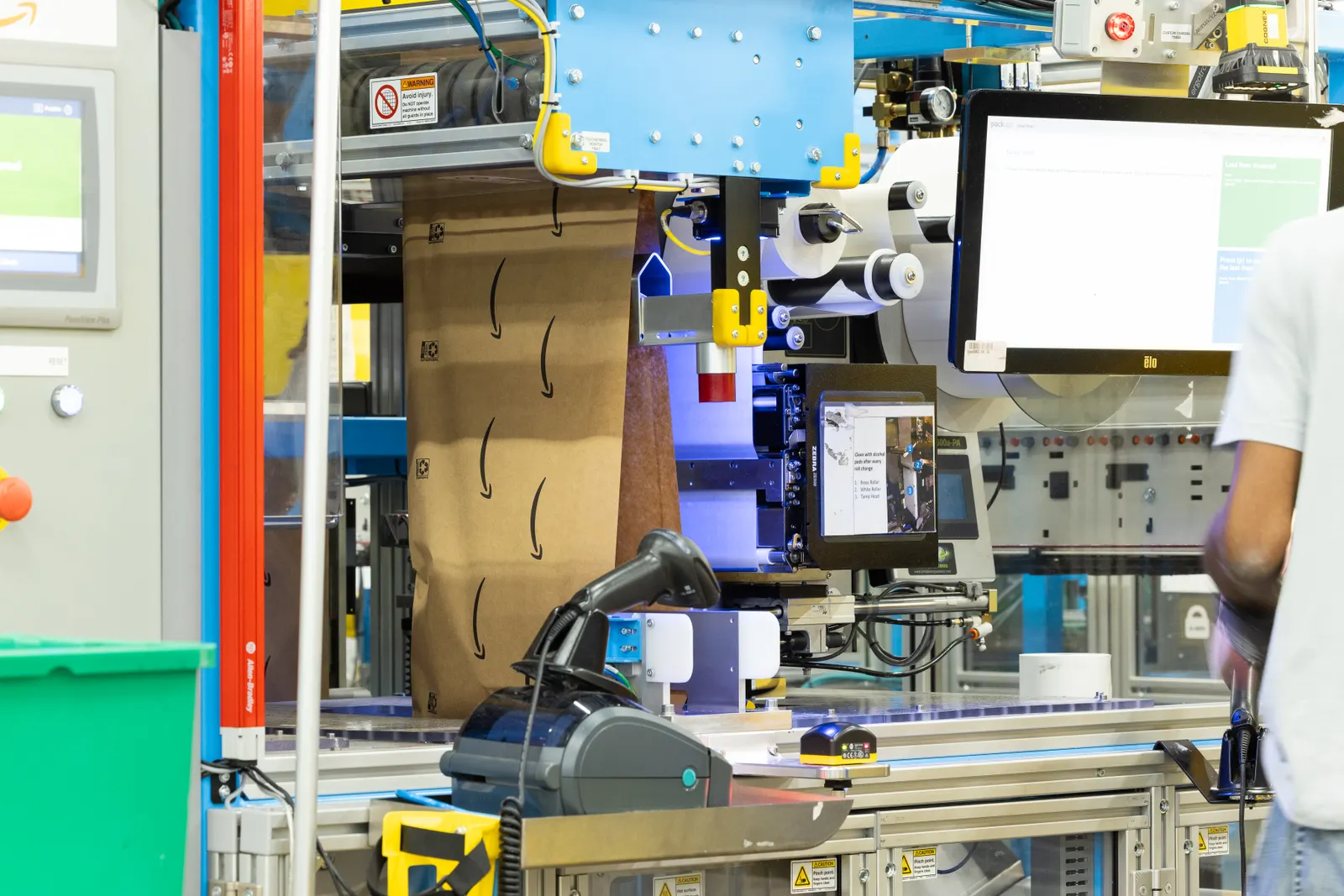
Mailers have also taken a page out of boxes’ playbook with on-demand rightsizing innovations.
In recent years, vendors such as Ranpak, which has grown with e-commerce deals, and Packsize offered equipment to custom form boxes to more efficiently align with product size.
This year, Packsize launched its mailer-focused PaperPro X solution, as the company aims to be “a one-stop shop for all automated packaging needs,” said Dan Scrimale, senior director of global product development, in a statement.
New regulations like the EU’s Packaging and Packaging Waste Regulation are poised to further fuel the rightsizing sector by banning excessive dead air. PPWR stipulates that by 2030, the empty space ratio in packages may not exceed 50%. Proponents of rightsizing note that reducing overall material use can also mean less to pay in EPR fees.
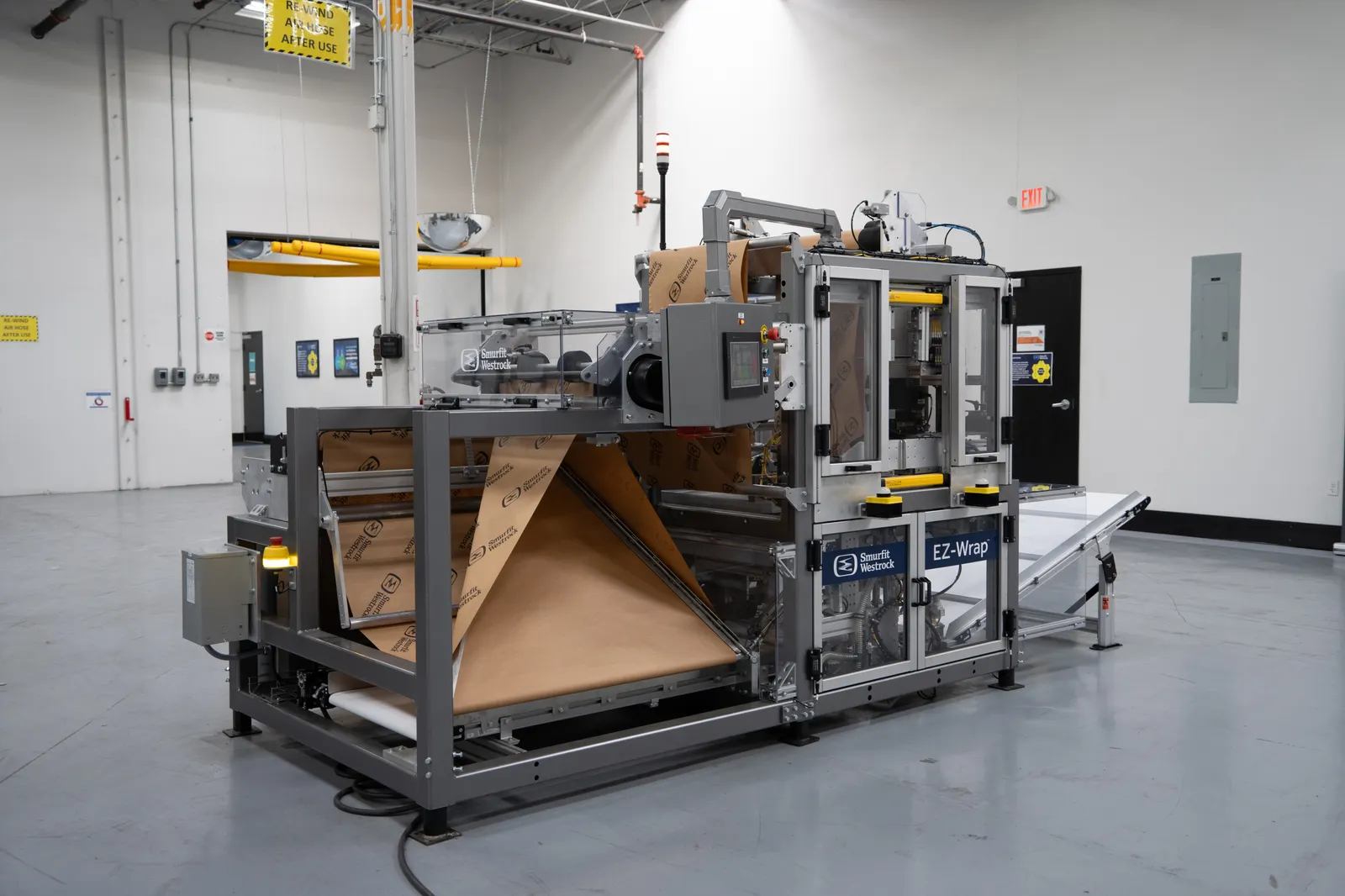
Vertically integrated corrugated specialist Smurfit Westrock expanded its lineup of box rightsizing equipment to offer customers a variety of automated mailer systems as well, such as EZ-Wrap. “We're able to give them all the innovations that we do in boxes,” and with a smaller size, said Santiago Escobar, Smurfit Westrock’s marketing director for automated packaging systems.
Rightsized mailers can be a fit for a wide range of markets — the technology exists “because of the variable orders, variable production and just-in-time deliveries,” he said, whether for apparel, toys, auto parts or furniture.
Smurfit Westrock expects such offerings will expand, driven by customer needs that inspire innovations in paper, coatings, sizes or machine speed, Escobar said. “The market is asking for this.”
There could be additional market entrants soon. “There's a lot of discussion with a lot of the big box stores' e-comm divisions that are very highly focused on rightsizing their packages,” said Sealed Air's Cox. “It's definitely an emergent space for us.”
Consumer appeal
The increase in demand for mailers is undeniable, sources say. But responses are mixed on whether consumers prefer the format.
A recent e-commerce consumer survey commissioned by logistics company Ryder found an overwhelming form factor preference: Nearly 80% of respondents favored receiving e-commerce shipments in boxes. The top reason was perception of better protection during transit.
However, not everyone buys into the idea that consumers are negative on mailers. Just consider the ballooning consumer feedback calling on e-commerce companies to reconsider shipping small items in large boxes, sources say.
“The consumer pressure to not have so much packaging waste and to ship exactly the right size every time is going to also help drive adoption of this format,” said TemperPack’s Wilson.
It might take time for some consumers to acclimate to the format switch, but it will likely happen relatively quickly, sources say. Meantime, the mailers market is positioned for further expansion as e-commerce widens.
“This [mailers movement] seems like a blip in time, but I think it's going to continue on,” said Sealed Air's Cox. “We expect that to absolutely grow.”