For months, canmakers have been advocating for changes to Section 232 tariffs on metal imports. But newly announced adjustments that take effect Monday aren’t what they were looking for.
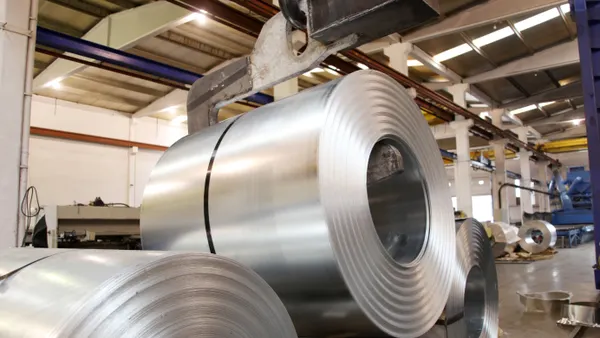
A previous 50% tariff will remain on goods made almost entirely of aluminum, steel or copper, while the levy will be lowered to 25% for derivative products “substantially made” from those metals. The tariffs will no longer apply to items that include 15% or less of these metals. Going forward, additional derivative goods will be evaluated on a rolling basis.
The Can Manufacturers Institute had applied for filled food and beverage cans to be added to the derivatives list, but was “completely denied,” according to President Scott Breen.
“In our derivative inclusion requests, we asked President Trump to level the playing field for America’s farmers and can manufacturers, who have been forced under the high Section 232 metal tariffs to unfairly compete against foreign-filled canned foods and beverages not subject to the same tariffs,” Breen said in a statement. “Instead, these tariff rate adjustments keep the status quo, solidifying a win for foreign canned goods – the opposite of an America First trade agenda.”
CMI and partners have repeatedly noted that domestic canmakers rely on trading partners for nearly 80% of tin mill steel. CMI has instead called for targeted levies on goods imported from specific markets such as China.
After this latest Section 232 adjustment, CMI is again asking for “immediate, targeted tariff relief for U.S. can manufacturers.”
The Brewers Association, which represents craft beer brewers that heavily sell their products in cans, also spoke out against the Trump administration’s approach.
“Already strained packaging processes will continue to be impacted,” wrote Brewers Association Federal Affairs Manager Michael Mohr-Ramirez, noting that aluminum sheet, foil and containers used in members’ packaging will all be subject to the 50% rate.
Yet aluminum lids are among the derivative products that will have a lower rate. “Despite finished aluminum lids falling to the lower 25% rate, higher input costs are likely to flow through from suppliers,” he said.
Uncertainty persists: “The government can add additional derivative products to the tariff list at any time, including metal containers, even when they are filled with other goods,” he said. “That means packaging commonly used in beer distribution could face new tariffs in the future.”
This is all happening as war in Iran has upped aluminum prices, in part due to rising energy costs and attacks on aluminum smelters.
Prior to the conflict, aluminum prices were already high. The war “has the potential to make a bad situation worse,” according to an emailed statement from Bart Watson, president and CEO of the Brewers Association.
“It doesn't take that much to tip supply and demand into a place where suddenly we’re in a global deficit, and that means increasing prices for brewers and eventually consumers. For now, some brewers are absorbing those higher aluminum costs, but there may come a point where they have to pass the increase along to consumers,” he said.