Dive Brief:
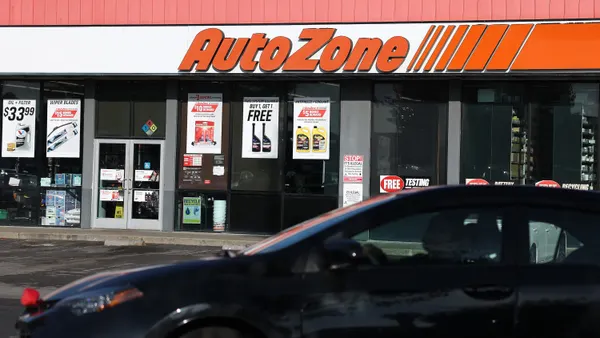
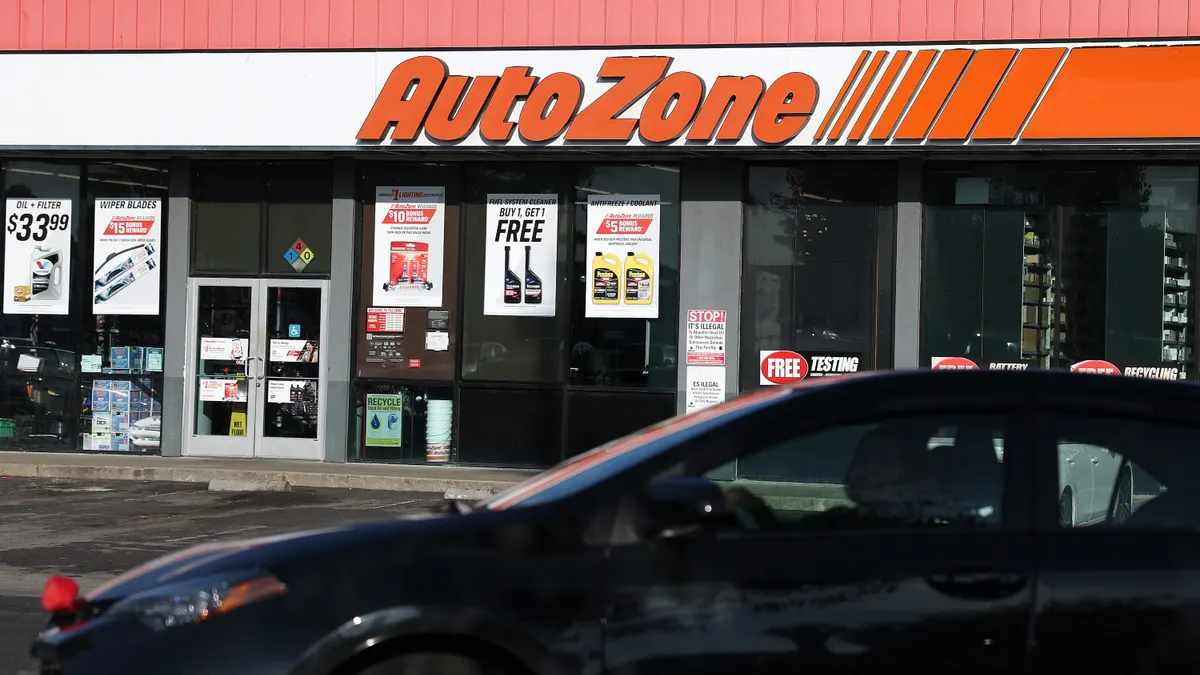
- The Auto Care Association, which represents automotive aftermarket companies including national chains such as AutoZone and O’Reilly, filed to intervene in the National Association of Wholesaler-Distributors’ July lawsuit seeking to block Colorado’s active packaging EPR law.
- While that Colorado case makes some similar arguments as other extended producer responsibility lawsuits filed in the last two years, ACA’s complaint seeks to highlight some issues that could be unique to auto care companies.
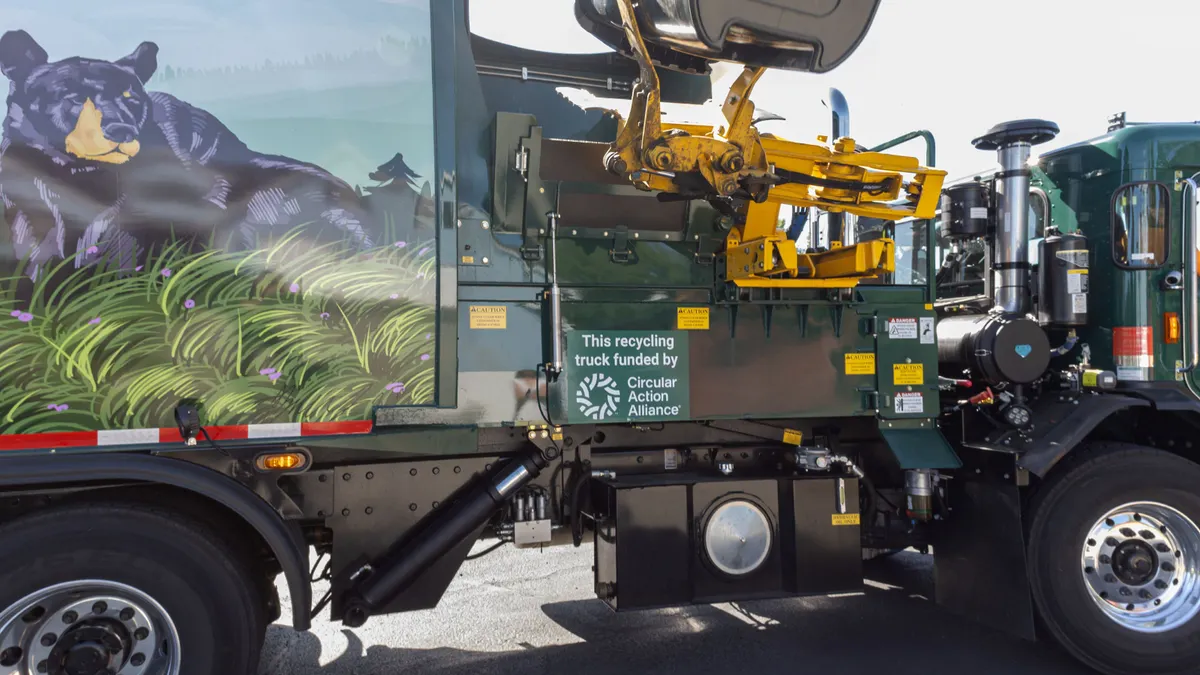
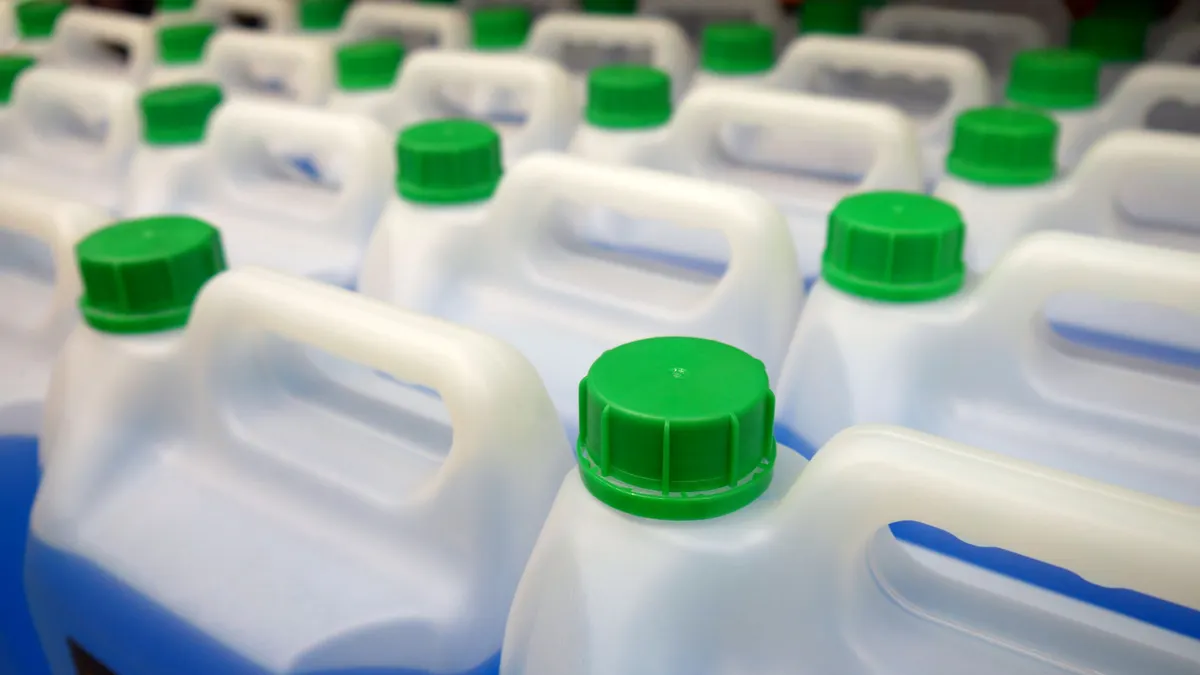
- ACA says members could face fees from the main producer responsibility organization in the state, Circular Action Alliance, as well as under the individual Interchange 360 program operated by the Lubricants Packaging Management Association, which covers packaging for oil-based lubricants, grease, antifreeze, engine additives and other fluids used in transportation and mechanical applications.
Dive Insight:
ACA says it represents roughly 150,000 locations throughout the U.S., including about 10,000 in Colorado that could be affected.
In one tangible example, ACA said in its complaint that CAA has invoiced O’Reilly more than $350,000, and O’Reilly anticipates LPMA fees exceeding $500,000. AutoZone also reported paying a collective $575,000 to both entities in Colorado.
ACA wrote in its complaint that it would be “prohibitively expensive” for the majority of producers to comply independently rather than joining CAA and LPMA.
Attorneys at Foley & Lardner highlighted what makes the ACA case unique in an analysis.
“One member’s example in the motion makes the problem concrete. A unit of its diesel exhaust fluid ships in a plastic container inside a cardboard shipper. The plastic jug gets reported to LPMA; the cardboard around that same jug gets reported to CAA,” it says. “Each organization has its own registration process, participation agreement, reporting portal, data format, material categories, deadlines, and fee schedule, and the motion asserts there is no apparent coordination between them.”
The Independent Lubricant Manufacturers Association filed a lawsuit challenging Colorado’s law in March and sought a preliminary injunction in August. There haven’t been updates since then, Caitlin Jacobs, deputy CEO of ILMA, said in an email Monday.
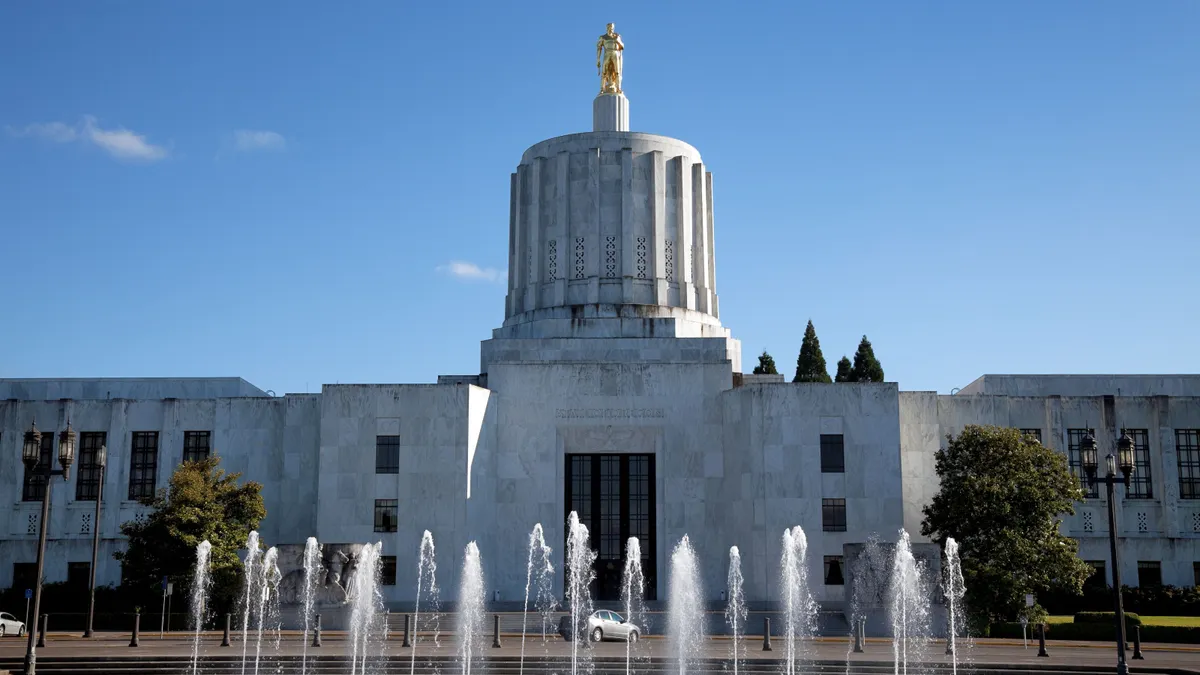
Separately, EPR litigation is also ongoing on Oregon.
Following NAW’s recent appeal of a court loss, the group said Friday it filed a motion asking the U.S. District Court for the District of Oregon to stay its judgment in NAW v. Feldon. The group said this would effectively restore protection that NAW’s members gained in February when the court awarded a preliminary injunction. NAW noted this timing comes ahead of anticipated January invoicing by CAA, which is “months before the Ninth Circuit is expected to hear argument.”
“Oregon’s program continued to operate without disruption under the previous injunction, showing the state won’t be harmed from a stay. Yet, without a stay, NAW members stand to lose their constitutional rights. This inequity is exactly what a stay pending appeal is intended to address,” said Karen Harned, NAW’s director of litigation and legal policy, in a release.
Also, in a related Oregon class action, on Oct. 13 a federal court granted a joint motion for stay pending appeal in the NAW case.