As the Iran war approaches the one-month mark, impacts to the packaging industry are materializing. Some substrates, such as plastics, are especially feeling the initial effects, but the reach is expected to spread if the conflict drags on, experts say.
Uncertainty with that timing and whether industry impacts will be short-term or long-term has packaging leaders on watch.
Major publicly traded packaging companies' most recent earnings calls largely occurred just before the war began, so executives did not address the topic at that time. But analysts have been sporadically divulging information about effects and adjusting their projections as information becomes available.
"It's not been pretty" for the publicly traded packaging companies within BofA Securities' coverage, said analyst George Staphos in a March 13 note to investors. The average packaging company's stock had dropped approximately 10% since Feb. 27, the day before the war started, he said.
An earlier BofA note, on March 6, pointed to companies feeling the effects of the rapid oil price increases, which manifest in the form of higher transport costs. Generally speaking, every $10 per barrel increase in oil prices translates to a few cents per pound increased costs for plastic packaging producers, according to Staphos.
"Packagers would be exposed to energy and freight increases to varying degrees, and some would have more direct spend on oil derivatives," he said. While packaging companies likely would pass on the costs to customers, higher costs could become a medium-term problem. "Timing lags on pricing increases may cause headwinds for one to six months," Staphos said.
Consumer component
Higher gas prices eat into consumer spending, and uncertainty caused by geopolitical matters can further exacerbate that. A hit to consumer spending typically translates into the use of fewer corrugated boxes, and therefore lower packaging demand, experts say.
Plus, inflation and lagging consumer sentiment show up in the sluggish home sales numbers, which significantly influences packaging sales; fiber company executives, including at Greif, have referenced the housing tie. The seasonal housing market typically ramps up to its annual peak at this point in the year, but the Iran war is among the myriad factors tamping down sales.
"If you don't get consumers back to the market and buying homes now in April and May, you basically have squandered a year," because housing sales losses in the first half of the year are "really tough to make up in the back half," said Michael Roxland, senior paper and packaging analyst at Truist Securities. If consumers are concerned about geopolitics "and they're not spending as much, that means less packaging."
The U.S. fiber packaging sector isn't expected to experience direct effects from the conflict at this time, although risks increase for companies with a strong international presence, sources say. Even so, paper and wood products producers could cite war-related inflation as a reason to increase prices in the coming months, considering containerboard producers already have made similar price moves this year prior to the war, Roxland said.
For corrugated boxes, the "main impact to [the] US market will likely be felt in the freight market as fuel prices increase," Ryan Fox, corrugated packaging market analyst at Bloomberg Intelligence, said via email.
Adam Josephson, founder of Sakonnet Research, further discussed the trend, noting that "as box demand goes, so goes broader packaging demand." Consumer spending already was weak going into this war, he explained, as was packaging demand.
"Discretionary spending is under significant pressure, and that preceded the Iran war. ... And then the Iran war broke out, which will mean even more inflation," Josephson said. "I don't see why the Iran war would not adversely affect consumer spending in the months ahead — I think it will."
The length of the war is a key factor experts are focusing on when trying to determine short, medium and long-term impacts to packaging.
"[C]onsumer spending drives packaging, and the longer additional energy inflation pressures the consumer, the worse it should be for our various corrugated and other packaging markets," Staphos said.
Strait talk
A key problem is the disruption to traffic through the Strait of Hormuz, a major global shipping pathway, with only a trickle of ships making it through since the war started. That constricts shipments not only of oil supplies, but also raw materials and goods — which both affect packaging.
In the war's early days, Fastmarkets RISI published a March 4 report noting the decreased activity through the strait created "an immediate aluminum supply shock" for the U.S. and Europe, and the Midwest Premium is among the premiums that had been driven "sharply higher." That regional premium already had hit a record high of more than $1 per pound as of late January, prior to the war.
Fastmarkets RISI published another report March 16 noting certain smelters were operating at reduced capacity due to gas supply cuts, resulting in "rapidly tightening physical aluminium markets." It emphasized that the "primary disruption is logistical, not production-based," but the dynamics are "effectively mimicking a supply shortage."
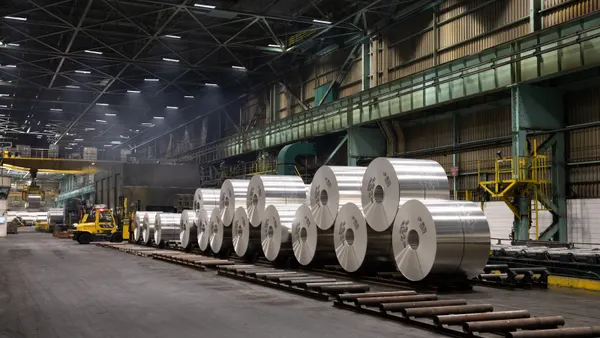
Aluminum and its main raw material inputs, alumina and bauxite, are heavily produced in the region and shipped through the Strait of Hormuz. According to the International Aluminum Institute, the top three areas of the world that produce the metal are China; Europe, including Russia; and the Gulf Cooperation Council, a conglomeration of six Middle Eastern countries.
Specifically, the United Arab Emirates and Bahrain were among the top six aluminum-producing countries in 2024, based on metric tons of production, according to World Population Review. In 2025, the Middle East accounted for roughly 21% of unwrought aluminum imports and 13% of wrought aluminum imports, according to the U.S.-based Aluminum Association.
2024 aluminum production by country, in metric tons
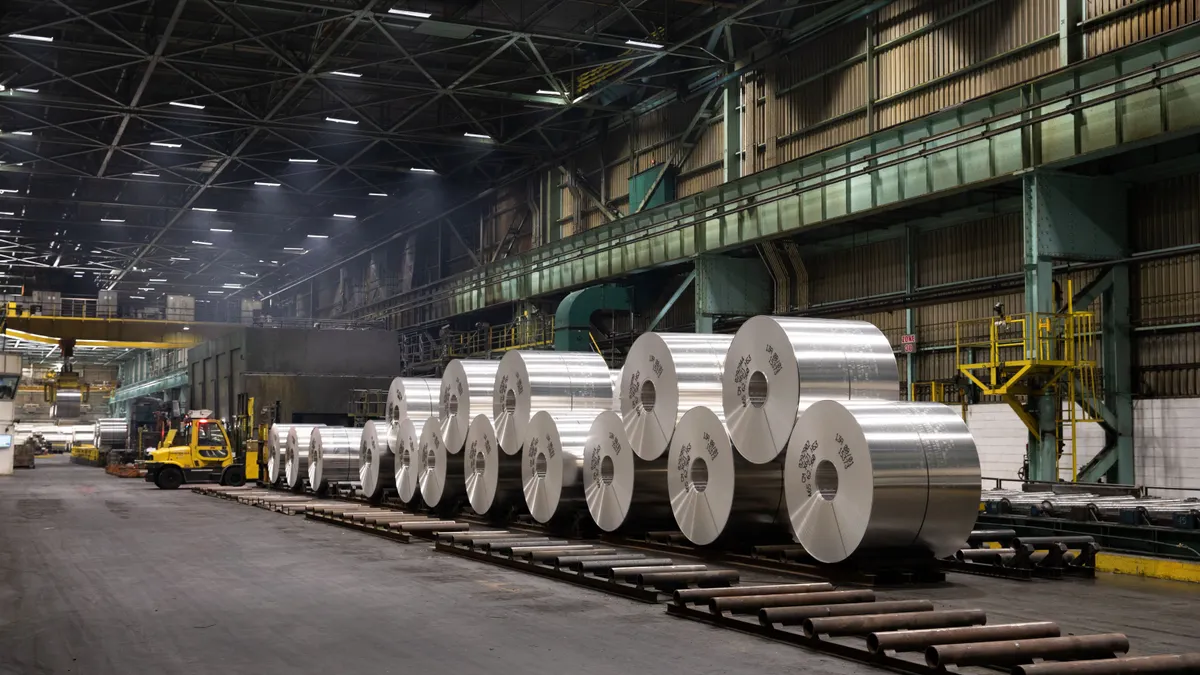
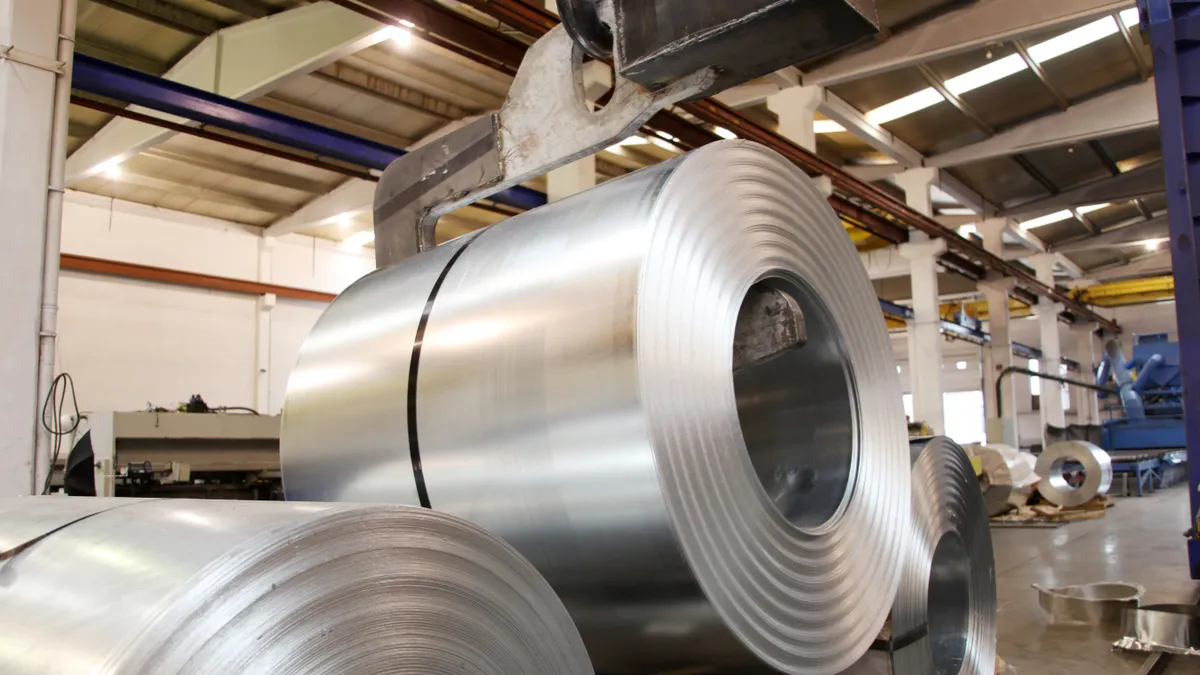
Packaging is vulnerable to volatility in aluminum markets. It was the second-largest North American market that used aluminum in 2022, behind automotive and transportation, according to data from the Aluminum Association.
2022 North American aluminum shipments by major market
Metal packaging companies should be able to pass through much of the additional war-related costs to customers, Roxland said. However, the sector already was bracing for higher prices this year due to factors like 50% Section 232 tariffs, a possible additional 10% global tariff and the skyrocketing Midwest Premium, so aluminum packaging producers might have less margin to further move up their pricing without turning off customers and consumers.
The Aluminum Association confirmed that it is closely monitoring the quickly changing situation.
"Given the region’s role in global aluminum trade, we are concerned about potential supply chain implications and remain in close contact with our member companies. The current conflict is a global security issue that goes far beyond the interests of any single industry," President and CEO Charles Johnson said via email.
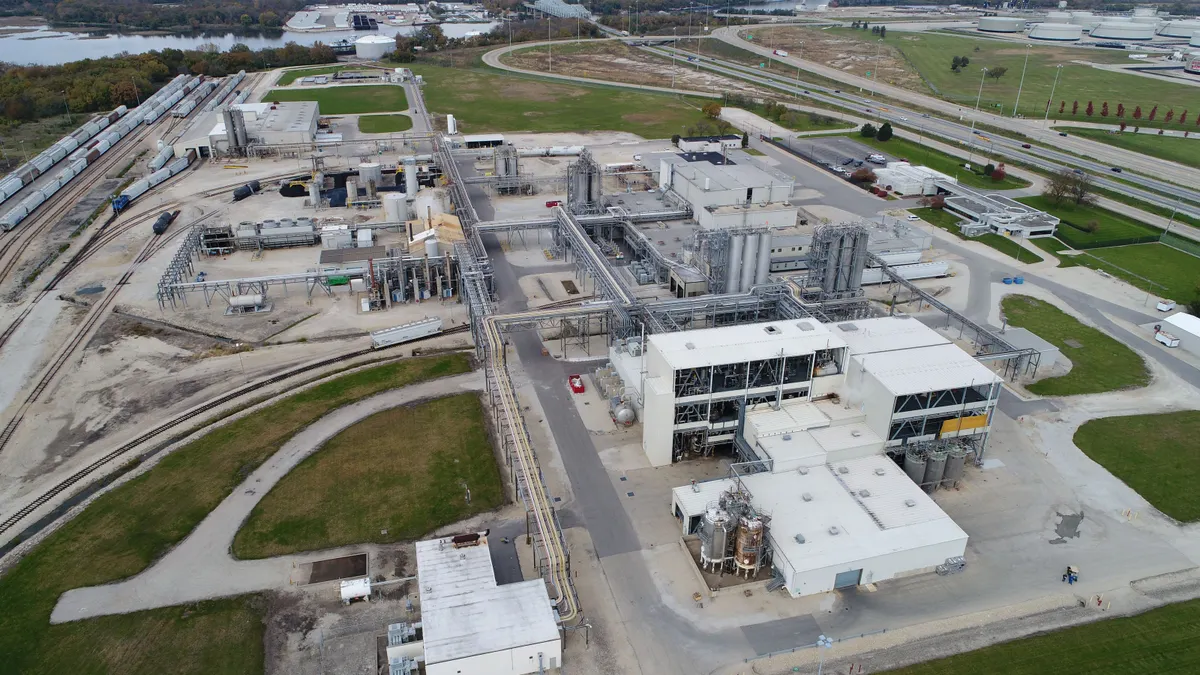
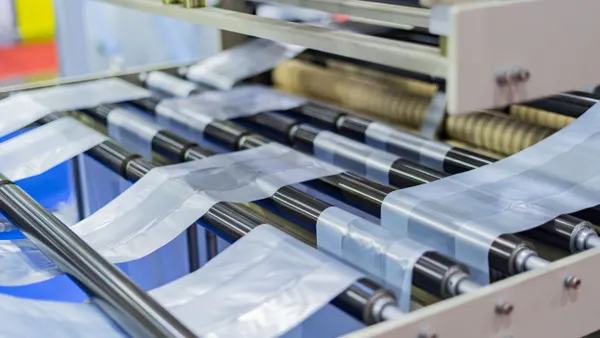
Plastics also are experiencing notable effects from the war. Prices for virgin resins made from petroleum are bumping up thanks to escalating oil prices. That's not a negligible figure, considering estimates generally point to between 4% and 8% of the total oil produced globally being used to make plastics.
Already, certain plastics producers have reported receiving price increase notices from petrochemical feedstock suppliers. And just today, New Jersey-based Sun Chemical, which provides inks, coatings and adhesives for packaging, announced that it will immediately implement price increases and surcharges across all its product divisions due to the Iran war. It says the conflict is "significantly impacting global energy markets, logistics routes, and chemical feedstock availability" in addition to causing higher costs for transportation, logistics and insurance.
Commodity intelligence service ICIS reported March 9 that the Iran war-related dynamics are “contributing to a spike in polymer prices." It also said "significant increases" especially affect commodities such as polypropylene and polyethylene, with some of these plastics' suppliers even increasing prices multiple times within the same week.
Plus, certain suppliers are declaring force majeure, ICIS explained. ICIS was aware of 31 such announcements as of March 13, according to Plastics Today, affecting sites including a Dow facility in Deer Park, Texas, and several LyondellBasell and Indorama sites in Europe.
"So plastic packaging will get more expensive," said Sakonnet Research's Josephson.
But plastic packaging producers are mostly expected to transfer the additional costs to customers, analysts say.
"They do pass that through, ultimately, because that's part of their contractual stipulations," Roxland said.
The Plastics Industry Association declined to comment on Iran war effects at this time.
One goes up, the other comes down
A curious consequence of the war is that it could open doors for recycled plastics while virgin grades take a hit.
"It should be good for recycled plastics markets — although this is not the reason why you want to have prices get better," said Chaz Miller, founder of Miller Recycling Services. "Certainly, if this pushes up the price of virgin resin, the price for recycled resin will be lower" by comparison, potentially making it more attractive to buyers.
Prices for three of the four main resins found in curbside recycling streams — natural HDPE, colored HDPE and polypropylene — already had been going up prior to the war, Miller said. "Now, with the price of virgin going up, it's quite logical that recycled is going to have a pricing advantage it hasn't had in a while."
But the outlook is murky regarding benefits occurring for recycled PET — the fourth of the most common resins in curbside streams. That commodity is going through a rough patch, and prices are at or approaching record lows, Miller explained: In the Northeast United States, recycled PET bottle bales charted just 1.5 cents per pound in February.
"The price of [recycled] PET is horrendous. In some parts of the country it's going to become a negative value if things don't change," he said. "And there you have a different demand dynamic because of all the imports, both virgin PET and recycled PET."
The rPET industry has seen a spate of reclaimer shutdowns, with the New York and Ohio closures that Evergreen Recycling announced last month bringing the tally up to seven within the past year. "It has not been a good year," Miller said.
The rPET struggles are adding to wider, ongoing demand issues with postconsumer recycled content. Material producers frequently have reported in recent years that brands aren't upping their PCR demand, despite many having sustainability targets calling for more recycled material use in packaging and some states having laws mandating PCR use.
Miller said for rPET in particular, "at this price, they should be buying it in enormous amounts." But the low demand trend for PCR translates to other resins, too.
"Where are [the buyers]? Actions speak louder than words," Miller said. "I don't care how many promises you've made to buy recycled, are you actually buying recycled? Show me the receipts."
Referencing the longevity of potential pricing-related changes to companies' PCR purchases, Miller said: "I think they occur longer term if the pricing remains beneficial for buyer and seller — then those supply chain changes, I think, will last."
Timing is everything
The length of the war will influence whether effects to the packaging industry will be temporary or stick around, sources say. BofA puts "the length of the conflict as the biggest factor in evaluating the impact on markets," Staphos said, projecting that a quick resolution is as likely to occur as a war that stretches well into the second quarter.
While President Donald Trump initially predicted the war would last four to five weeks, that's becoming a tougher target. In the last 24 hours, Defense Secretary Pete Hegseth said no time has been set for ending the war. Reuters reported that Trump is considering sending thousands more troops to the region as reinforcements, while the war might enter a "new phase."
The Federal Reserve on Wednesday voted to keep its main interest rate as-is, noting concerns about the Iran war's impact on inflation. Sustained war-related inflation could cause softer overall packaging demand and consumption, on top of the already depressed levels, that lasts later into the year, according to Roxland.
Companies may adjust material sourcing and supply chains if there is a prolonged war, meaning it extends past Trump’s predicted one to two months.
Already, further virgin plastic price increases are expected into April, potentially more through midyear, and the period of hikes could last longer than typical disruptions, Plastics News reported.
But because the current disruptions generally are due to shipping trouble and not supply shortages, conditions could improve quickly if cargo movement is restored through the Strait of Hormuz. For instance, prices across the board potentially could snap back to pre-war levels.
"It's a very dynamic situation," Roxland said. "The longer this drags on, the more risk there is to not only the economy, but the consumer."