This audio is auto-generated. Please let us know if you have feedback.
Looking back on business and industrywide highs and lows, numbers help capture the year that was.
Packaging Dive rounded up highlights from extended producer responsibility news, M&A announcements, manufacturing and workforce developments and sustainability updates in 2025.
What numbers will you be watching in 2026? Let us know at [email protected].
EPR
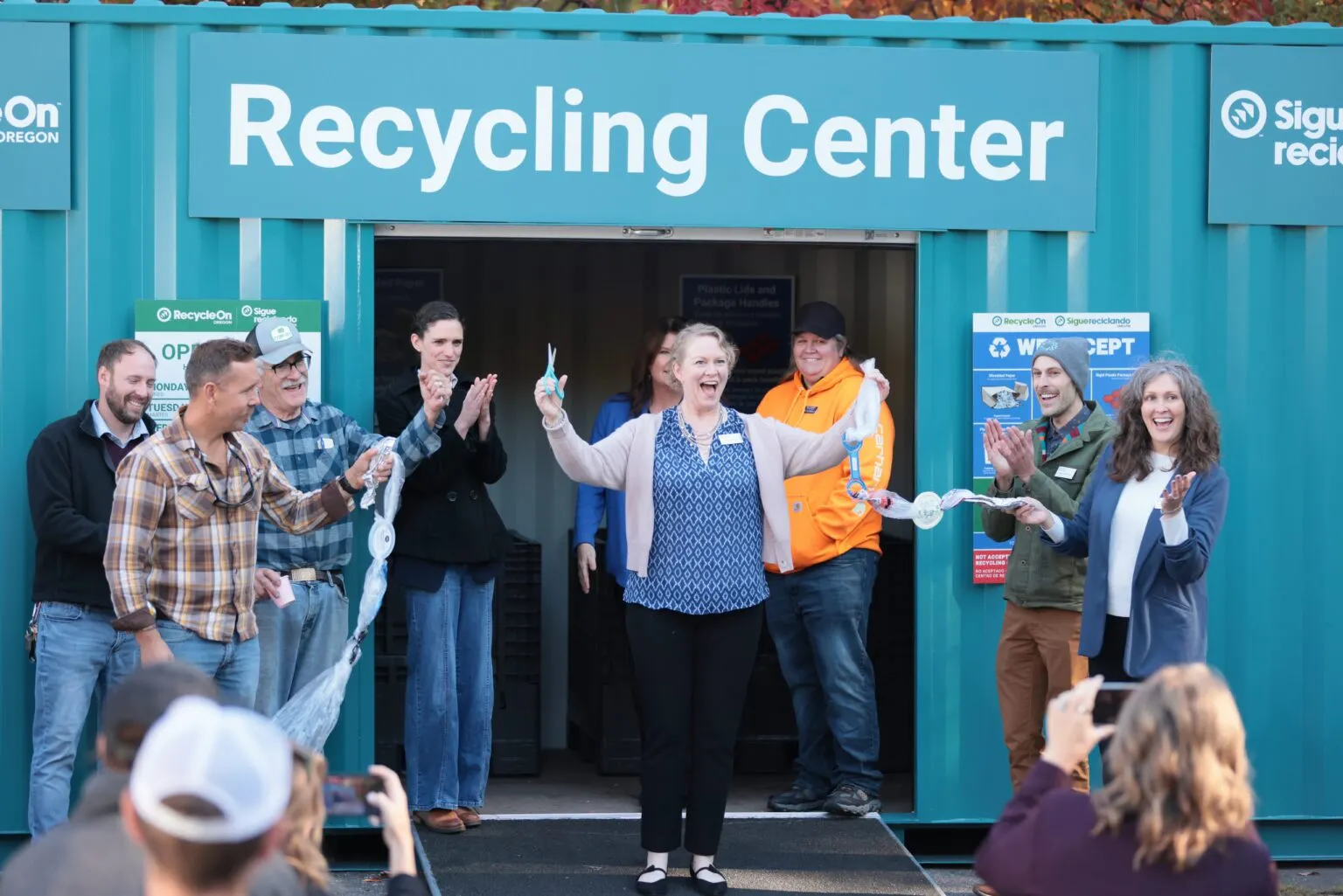
CAA Oregon RecycleOn Center Manager, Marisa Craft, cutting the “ribbon” when opening the first center in Ashland in October 2025. The centers are linked to Oregon’s packaging EPR program that launched in 2025.
Courtesy of RecycleOn
By the numbers
2
The number of states that passed EPR study bills, spurring needs assessments. In addition to Hawai’i and Rhode Island's study bills, a Massachusetts EPR commission recently recommended a needs assessment, and other states advanced work on previously commissioned needs assessments.
3,386
The number of national producer accounts as of Nov. 28, 2025, according to producer responsibility organization Circular Action Alliance.
$2.1 million
Total payments to communities for anti-contamination programs as part of Oregon’s packaging EPR program, according to a December update from CAA. There had been more than 1,200 samples sorted at the contamination audit center created under Oregon’s Plastic Pollution and Recycling Modernization Act.
106
The number of registered companies or organizations lobbying against the Packaging Reduction and Recycling Infrastructure Act in New York, according to an analysis by the Beyond Plastics initiative, versus 24 registered organizations that supported it. The New York packaging EPR bill again failed to cross the finish line in 2025.
M&A
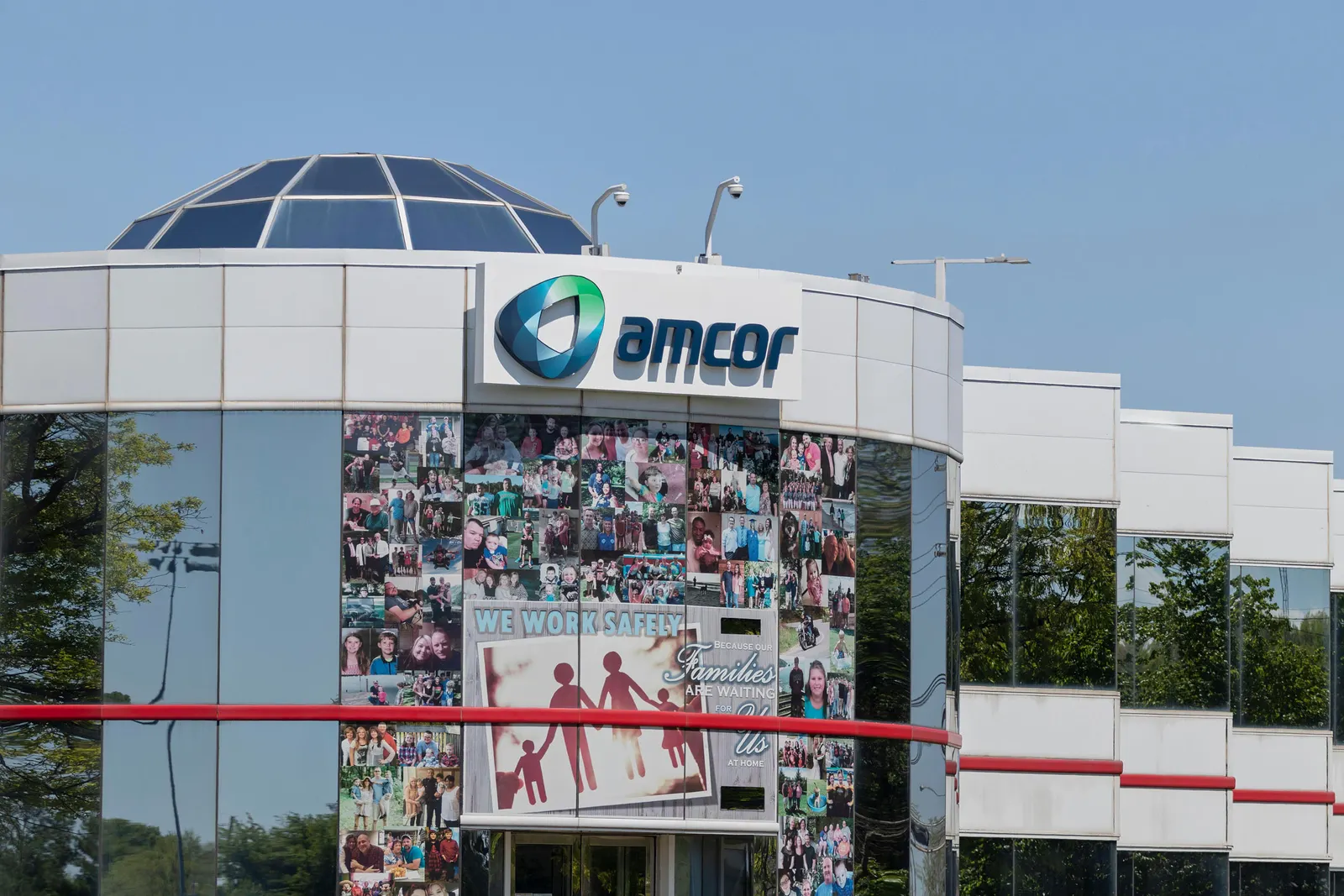
Amcor closed its $10.4 billion acquisition of Berry Global on April 30, 2025.
Alamy
By the numbers
$10.4 billion
Amcor's purchase price for Berry Global. The all-share acquisition closed on April 30. It's the largest publicly disclosed deal by dollar amount for a U.S.-based packaging company in 2025.
$6.7 billion
Novolex's purchase price to take Pactiv Evergreen private in an all-cash acquisition. It's the largest publicly disclosed deal by dollar amount for a U.S.-based packaging company in 2025 that involved private equity. Novolex is a private company primarily owned by Apollo.
125+
The number of acquisitions or notable acquisitions that Packaging Dive tracked this year by companies with business in the U.S.
Manufacturing & workforce
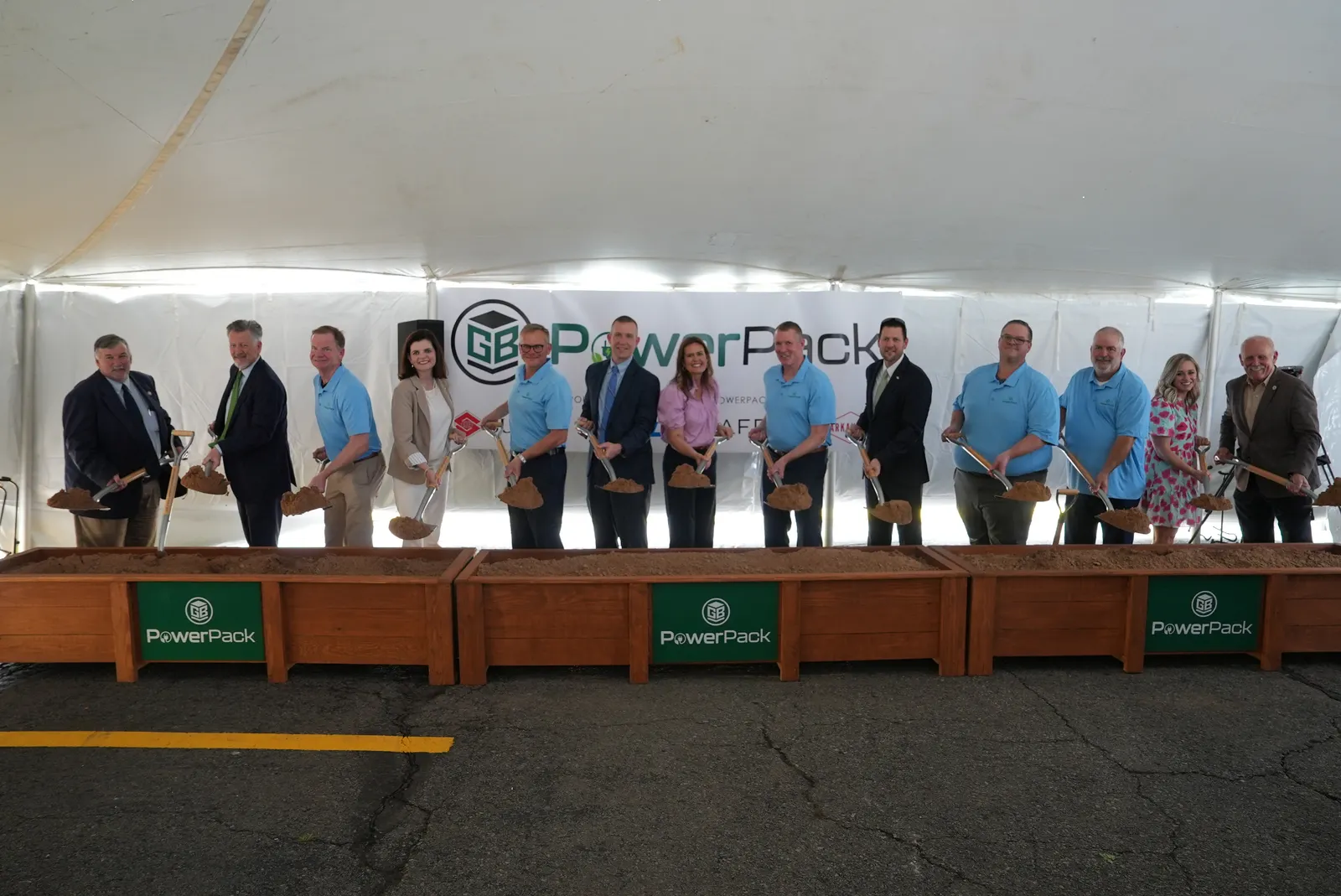
Arkansas Gov. Sarah Huckabee Sanders (center) joined other officials and company leaders for a groundbreaking ceremony at the site of Green Bay Packaging's kraft linerboard mill in Morrilton, Arkansas, on June 3, 2025.
Courtesy of Arkansas Economic Development Commission
By the numbers
10,800+
The number of packaging-related jobs affected by manufacturing closures and layoffs this year, according to Packaging Dive’s tracking of state Worker Adjustment and Retraining Notification notices, company disclosures and local news reports in the U.S. The total Packaging Dive tracked in 2024 was roughly 6,000.
Nearly 10%
The approximate proportion of North American containerboard production capacity lost in 2025 due to closures, according to multiple analysts. This is a historic level of cuts, with the pullback considered the sector’s largest year-over-year capacity dip.
9
The consecutive months of contraction for the manufacturing sector, the Institute of Supply Chain Management reported Dec. 1, with only January and February showing growth this year. The pace of contraction accelerated in November.
$1 billion
Green Bay Packaging’s committed investment to expand its existing kraft linerboard mill in Morrilton, Arkansas. It’s the packaging industry’s largest dollar amount for an announced facility investment that Packaging Dive covered in 2025.
Sustainability
Getty Images
By the numbers
77%
Proportion of respondents to a McKinsey consumer sentiment survey published this year who deemed recyclability “extremely important” or “very important” when considering packaging sustainability. Respondents considered recyclability the most important sustainability factor, followed by recycled content, compostability, reusability and the volume of material used.
97%
The proportion of PepsiCo’s primary and secondary packaging portfolio in key markets that it aims to be reusable, recyclable or compostable by 2030. The new goal announced this year is an adjustment from 100% by 2025.
20%
The proportion of businesses representing the plastic packaging market that committed to the next phase of the Ellen MacArthur Foundation’s Global Commitment. EMF set 2030 targets in early November.