
The pharmaceutical cold chain has never been more visible or more scrutinized. The solution may lie in building flexibility into the system from the start.
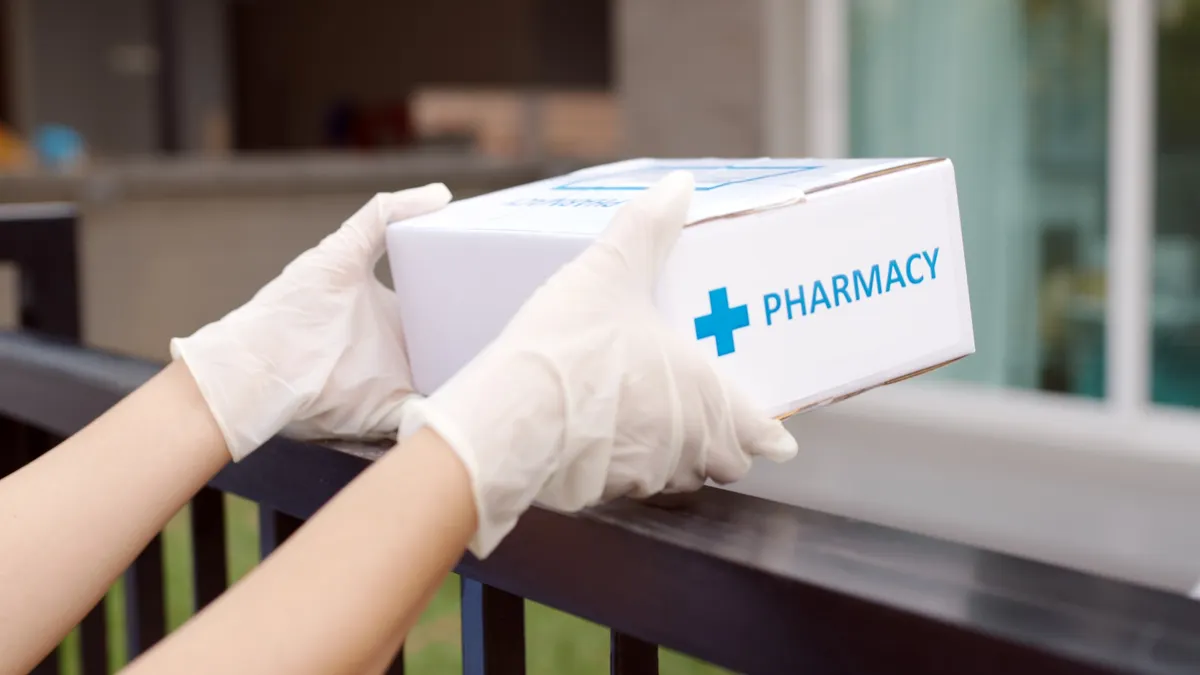
Cold chain logistics has always been a balancing act of time, temperature, destination, and payload. But it has become much more visible with the rise of biologics, GLP-1s, and other pharmaceuticals increasingly being delivered directly to patients at home.
That visibility brings scrutiny. Patients see their medication shipped directly to their home in insulated shipping containers made up of different insulation materials and question the sustainability of all the components involved in making this shipment a success. For packaging professionals, those questions arrive at the same time that the volume and complexity of temperature-sensitive shipments is growing fast.
The pharmaceutical cold chain logistics market reached $22.75 billion in 2025 and is expected to nearly double to $44.1 billion by 2033, according to DataM Intelligence. The driver is structural: every third drug approved today is a biologic, and more than 85% of biologics require cold chain management, according to Roots Analysis. GLP-1 therapies, which must be stored between 2–8°C and carry an average list price exceeding $1,000 per month, are adding further urgency, making the stakes around packaging performance higher than ever.
Why is Cold Chain Packaging Sustainability So Hard to Define?
With that growth has come increased pressure around sustainability. But here is where cold chain packaging professionals face a genuinely complicated challenge: there is no universal definition of what "sustainable" means.
Recyclability is viewed as the most critical sustainability trait globally, but there is limited consensus on the next most important factor, and consumers are not aligned on which materials are most sustainable, with meaningful differences across geographies, according to McKinsey's 2025 global packaging consumer research. In a separate McKinsey study of packaging purchasers published in September 2025, the firm found that disagreements on both the meaning of sustainability and the hierarchy among sustainability characteristics affect not only how companies assess their current position, but how they choose their future path.
That complexity plays out across the cold chain. A packaging format recyclable in one region may have no collection infrastructure in another. A material considered sustainable by a manufacturer's corporate ESG team may not match what a patient or local regulator expects.
For cold chain packaging, this is not an abstract debate. It is an operational one.
What Makes Pharma Packaging Requalification Difficult?
Historically, companies addressed these challenges by selecting an insulation material and packout system based on their organization's definition of sustainability, then validating and qualifying that system for their distribution network. The problem: when definitions shift, regulations change, or a new market creates new infrastructure realities, changing course or adding new options is not simple.
Under FDA good manufacturing practice guidance, changes to pharmaceutical packaging systems trigger a formal change management process. The FDA's compliance programs instruct inspectors to evaluate whether requalification, process revalidation, stability studies, or equivalency studies are required to support any packaging change, and the agency recommends regulatory action when change management processes aren't properly documented. Failure to justify whether requalification is needed for a packaging change is among the most cited GMP deficiencies in FDA inspections, according to Pharmaceutical Technology magazine's analysis of change management failures.
The practical effect is that pharmaceutical companies are often locked into their qualified packaging systems even when market conditions, sustainability expectations, or patient needs evolve around them. Switching insulation materials becomes a full compliance event.
What is a Modular Insulation System and Why?
A modular insulation system is a validated cold chain packaging platform that allows multiple insulation materials to be used interchangeably within a common outer container, without requiring full requalification for each material change. This is why today's leaders in cold chain are taking a different approach: adopting modular insulation systems that allow multiple insulation technologies to be used within a common, validated packout platform.
A modular approach qualifies the platform based on payload capacity, packout methodology, and insulation performance. The difference comes with insulation materials, where multiple similar technology platforms can be used interchangeably, having shown performance parity across the insulation material options, all of which provide different approaches to sustainability.
"The goal is giving customers the flexibility to align packaging performance with environmental goals without having to go through a complete re-validation in order to advance to a newer insulation material," says Mark Riley, Segment Manager – Life Sciences at Altor Solutions.
For life sciences companies managing global distribution networks, this flexibility has real business value. It allows sustainability goals to be pursued incrementally, market by market, without disrupting qualified systems. It positions packaging as a strategic lever rather than a compliance constraint, with the added benefit of being able to move into a newer insulation technology without fear of a performance drop.
Performance Still Anchors Everything
Flexibility is only worth something if the performance holds. In temperature-sensitive supply chains, an under-engineered system leads to product loss, reshipments, and in the case of life-saving biologics, patient impact. Over-engineered systems inflate cost and carbon footprint alike.
Modular systems address this through pre-certified thermal qualification. Altor's Odyssey platform, for example, has been certified against ISTA 7E profiles in their Standard 20 Labs across multiple insulation configurations, meaning customers can make insulation selections within an already-validated performance envelope equivalent to EPS rather than building from scratch. The modeling has been done. The lane testing has been run. The switch to the predominantly recycled content of EmeraldPak or the degradability of BioEPS is a decision, not a project.
As the cold chain continues to grow, driven by biologics, GLP-1s, cell and gene therapies, and the direct-to-patient shift, the companies best positioned will be those that built flexibility and potential for future growth into their system before they needed it.
Altor Solutions designs and manufactures cold chain and protective packaging solutions for the life sciences and perishable goods sectors, with 19 manufacturing locations across North America. Learn more at altorsolutions.com.
- DataM Intelligence — Pharmaceutical Cold Chain Logistics Market Report, 2025
- Roots Analysis — Biologics Cold Chain Market Research
- McKinsey & Company — "Sustainability in Packaging: Inside the Minds of Global Consumers," June 2025
- McKinsey & Company — "Sustainable Packaging 2025: Top Barriers for Packaging Purchasers," September 2025
- Pharmaceutical Technology — "Change Management: Common Failures and a Checklist for Improvement"
- International Safe Transit Association (ISTA) — ISTA 7E Standard for Temperature-Controlled Transport Packaging