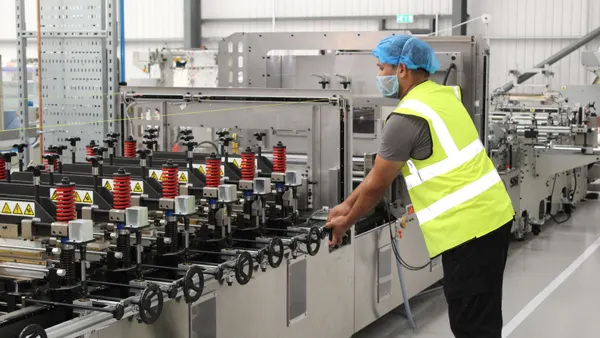

Packaging facilities have automated almost everything. Conveyor systems run without operators. Production lines self-regulate. Quality checks happen in real time. Yet when it comes to combustible dust, one of the most persistent and dangerous byproducts of packaging production, most facilities are still doing things the old-fashioned way: waiting for dust to accumulate, shutting down, and sending crews up on lifts to clean it off the rafters.
That cycle is expensive, disruptive, and increasingly hard to justify.
The Dust Problem Packaging Facilities Know Too Well
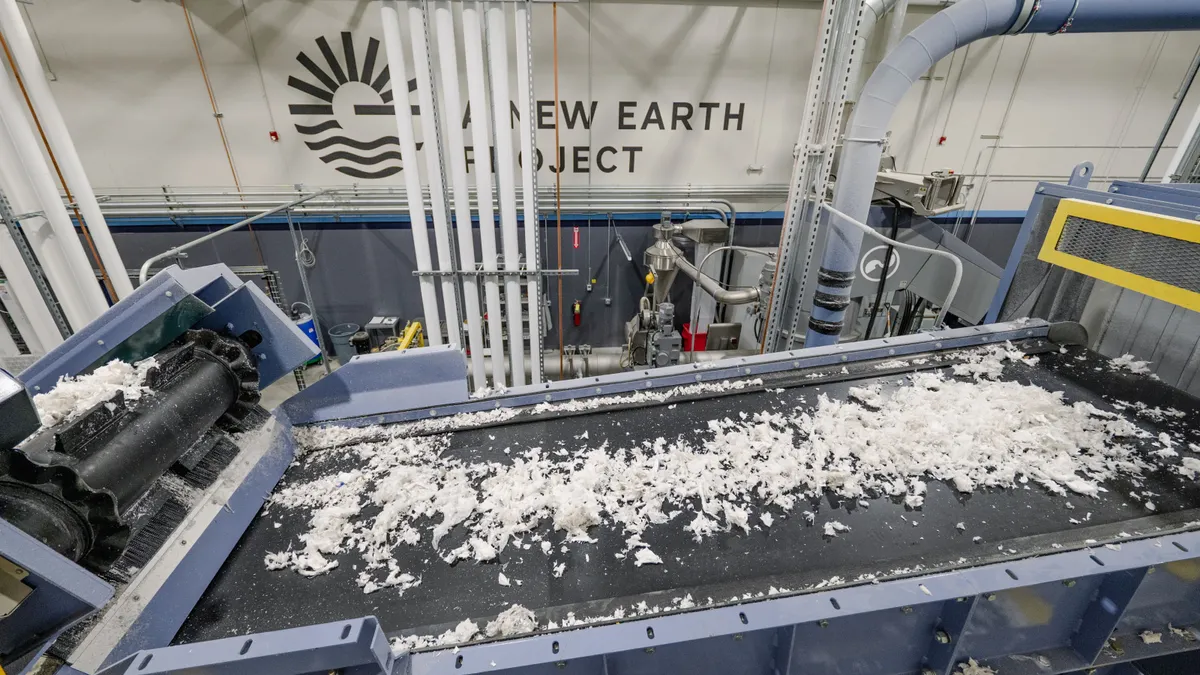
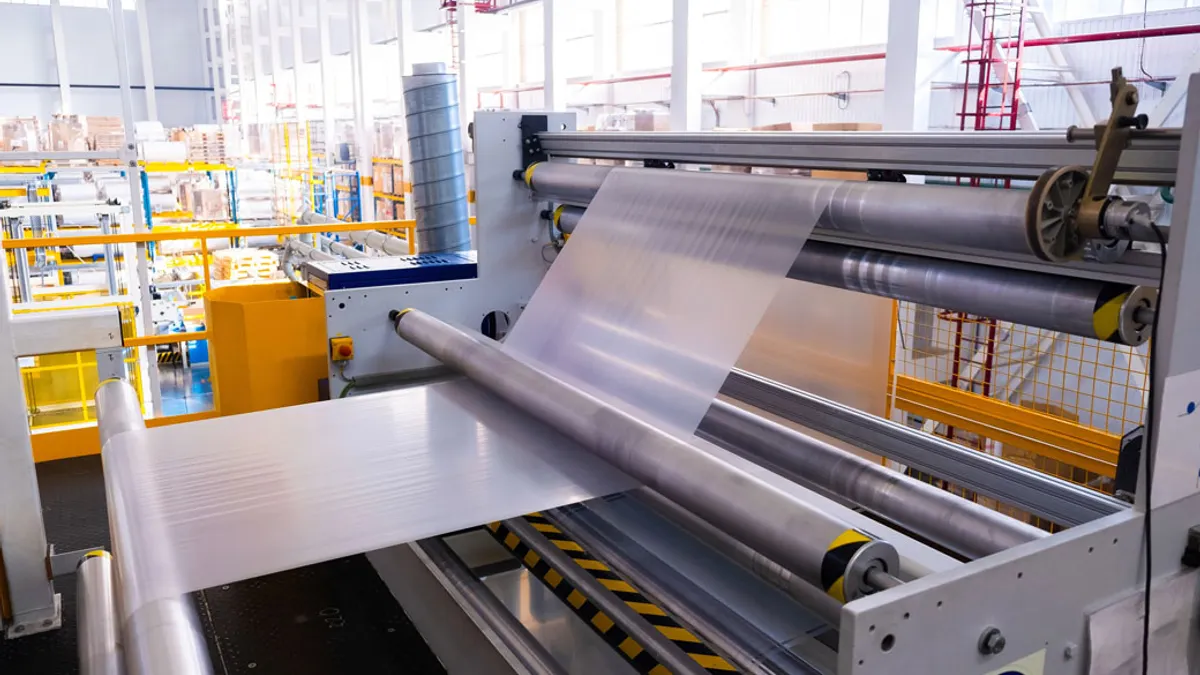
Packaging facilities occupy a unique position in the combustible dust landscape. Unlike industries that deal with a single dust type, packaging operations often generate multiple varieties of combustible particulate: paper fiber and cellulose dust from corrugated and paperboard production, and fine resin and polymer dust from plastic film, container, and flexible packaging manufacturing. Both types are combustible, settle in overhead spaces, and accumulate faster than a periodic cleaning schedule can reliably address.
Consider the challenges facing a large-scale packaging operation producing both corrugated cardboard and plastic film products. Throughout the facility, cutting, slitting, laminating, and converting processes continuously generate fine airborne particles. These particles rise with thermal currents generated by equipment and lighting, settling on overhead beams, joists, light fixtures, and cable trays; surfaces that are difficult, expensive, and genuinely hazardous to clean manually.
The facility maintained a regular cleaning rotation, with crews deploying lifts every few months to manually remove overhead dust accumulation. Each cleaning cycle meant production interruptions, overtime labor, contractor coordination, and the safety risk inherent in working at height in an active manufacturing environment. And despite the effort, the dust always came back.
The Limits of Reactive Dust Control
Reactive dust management, cleaning dust after it has already accumulated, is the industry standard, but it comes with inherent limitations. By the time a cleaning crew is deployed, the dust has already been sitting on overhead surfaces long enough to pose a compliance risk. OSHA's National Emphasis Program has significantly increased inspection pressure across manufacturing industries, and an inspector who arrives between cleaning cycles may find conditions that don't reflect the facility's actual commitment to safety.
Beyond compliance, the financial case against reactive cleaning is compelling. When labor costs, equipment rental, production downtime, and contractor fees are fully accounted for, periodic deep cleaning becomes a significant recurring expense that grows alongside facility output.
Manual cleaning also carries physical risk. Workers operating lifts in active facilities face fall hazards, and disturbing accumulated dust during cleaning can temporarily increase airborne concentrations, creating the very conditions that make combustible dust dangerous.
A Proactive Solution Built for Packaging
Recognizing that the cleaning cycle posed operational and safety liabilities, this packaging facility turned to SonicAire for a better approach.
SonicAire's engineering team conducted a full facility assessment, mapping dust generation points, airflow patterns, and overhead accumulation zones across both the corrugated and plastic film production areas. From that assessment, they designed a custom fan layout using SonicAire's Pro Series fans, powered by patented BarrierAire™ technology.
Strategically positioned throughout the facility, the Pro Series fans create high-velocity horizontal air curtains that intercept fine dust particles, both paper fiber and polymer fines, before they rise into overhead spaces. Rather than settling on beams and structural surfaces, the airflow causes particles to collide, clump together, and fall to the floor. From there, cleanup is as simple as routine sweeping during normal housekeeping — no lifts, shutdowns, or overtime necessary.
The system runs continuously and automatically, adapting seamlessly as production schedules and facility layouts evolve. Unlike reactive cleaning, which addresses dust after the fact, BarrierAire™ technology prevents overhead accumulation from occurring in the first place.
The Results: A Facility Transformed
The impact at the packaging facility was immediate and measurable. Following installation, overhead surfaces that had previously required manual cleaning every few months remained consistently clear. The recurring cleaning cycle, with its associated labor costs, production interruptions, and safety risks, was eliminated. Employees noticed the cleaner environment. Compliance audits became routine rather than stressful events.
Beyond the operational improvements, the facility gained something equally valuable: confidence. When OSHA inspectors arrive, the overhead spaces reflect a facility that is continuously controlled rather than periodically addressed.
A proactive approach to combustible dust control doesn't just solve today's problem. It eliminates the conditions that create tomorrow's. For packaging facilities navigating increasingly automated production environments, SonicAire's Pro Series fans are the logical next step, automating the one part of the operation most facilities have left behind.
Ready to automate your dust control?
Contact SonicAire for a complimentary dust management plan and ROI analysis.
sonicaire.com | (336) 712-2437 | [email protected]