ProAmpac is recognized for consistently churning out new food packaging products and growing via a variety of acquisitions.
In March, the Cincinnati-based company completed its purchase of Chicago-based TC Transcontinental Packaging for $2.1 billion. ProAmpac said at the time that the acquisition “achieves a pivotal milestone” in its long-term growth strategy. That deal followed other notable M&A activity last year, including scooping up PAC Worldwide in September 2025 and International Paper’s bag business that October.
That eye for M&A doesn’t detract from ProAmpac’s push for organic growth, though. The company uses material science to develop new packaging solutions for customers, generally in food applications. In one example, this summer it worked with Circle K convenience stores to introduce a fiber-based container for hot wings that addresses packaging challenges associated with grab-and-go warm foods.
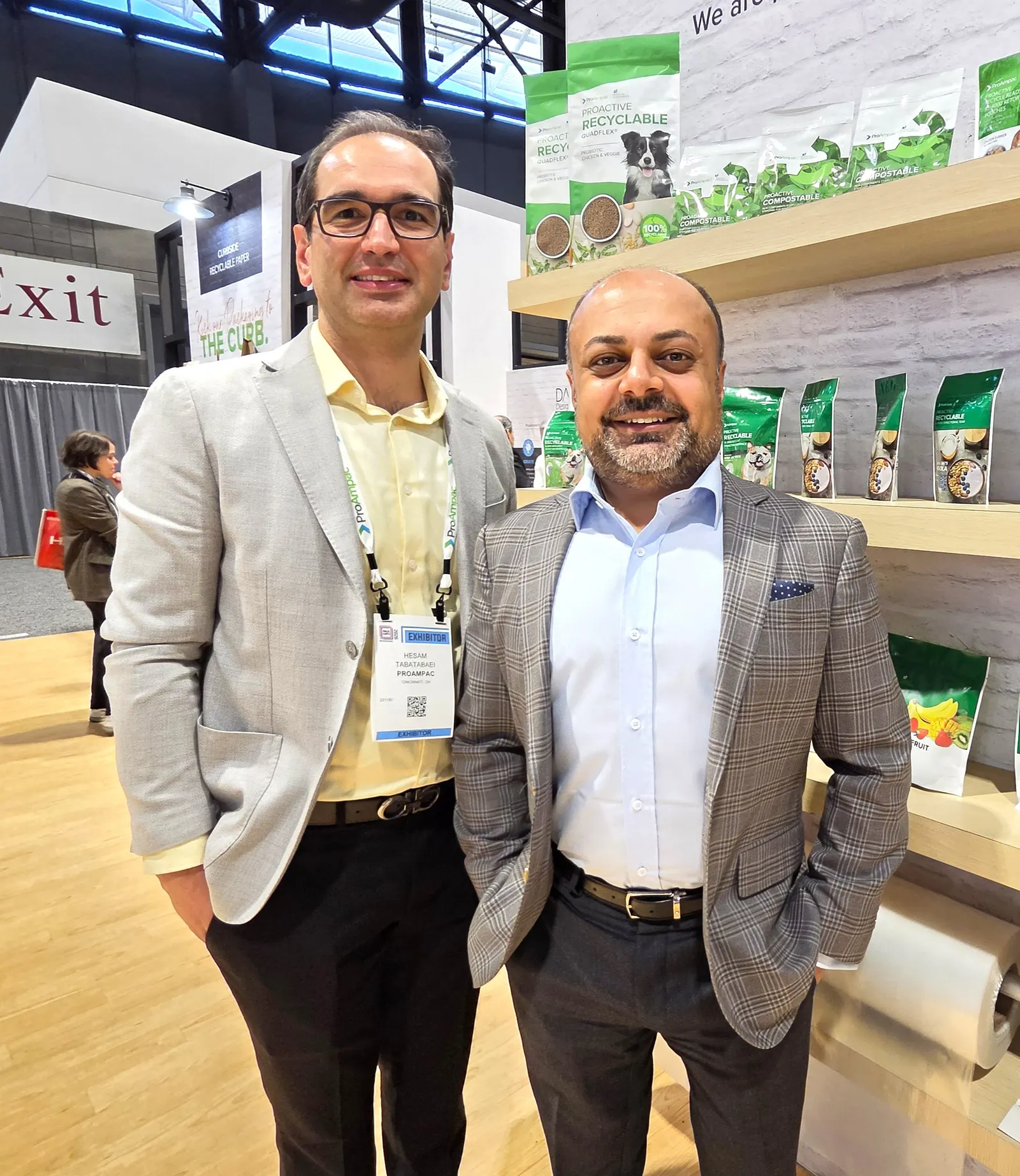
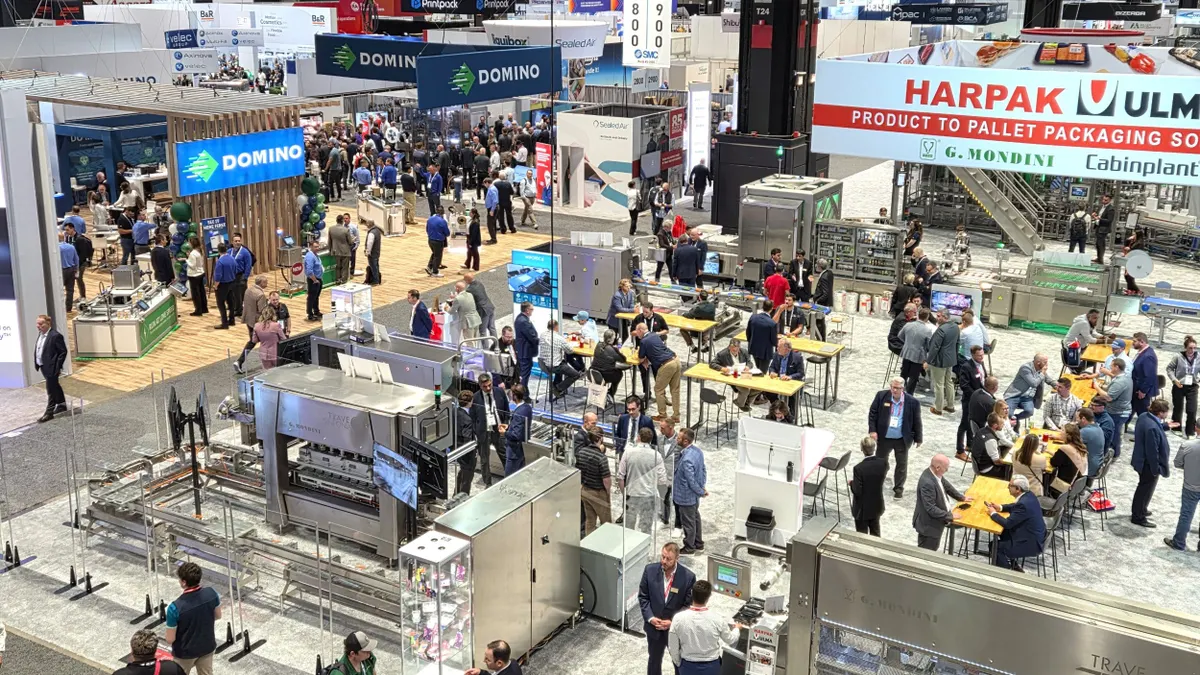
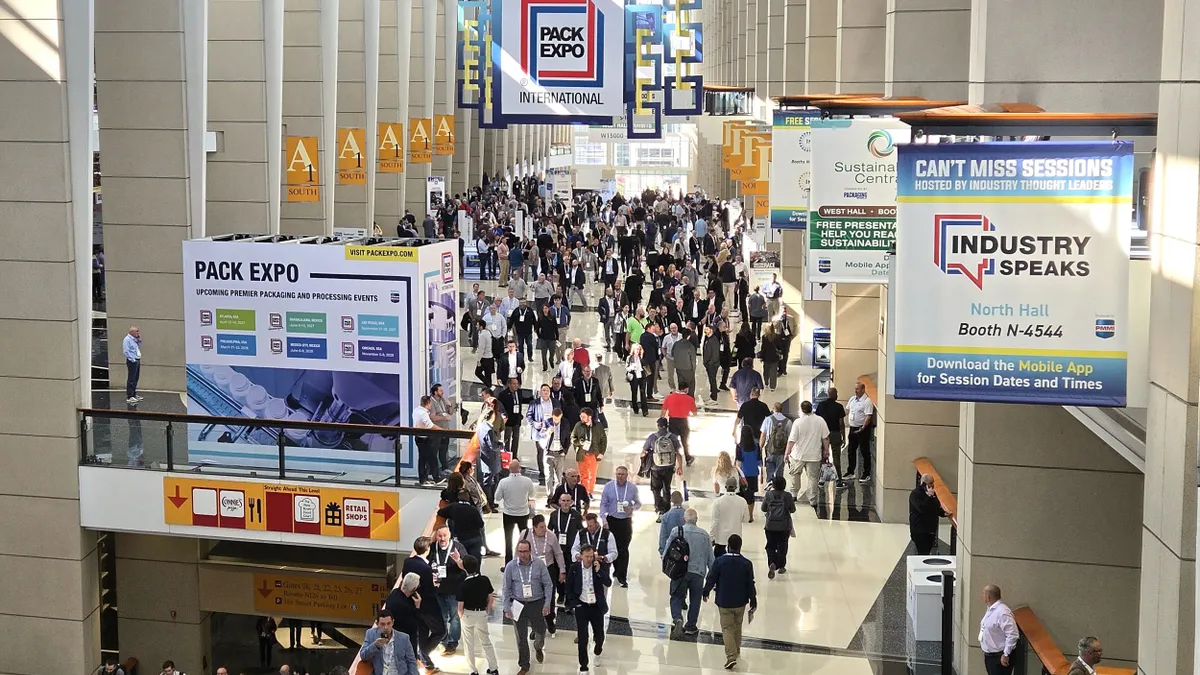
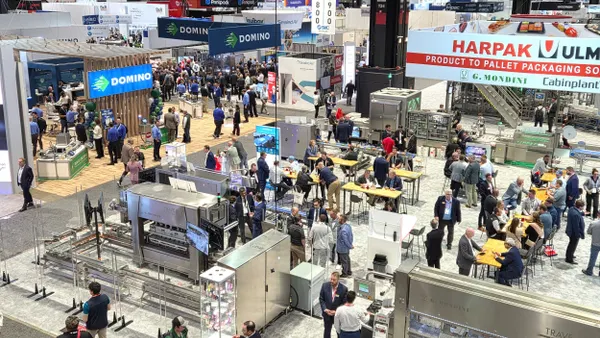
At Pack Expo last week, Packaging Dive sat down with two members of ProAmpac’s leadership team: Sachin Desai, president and chief operating officer, and Hesam Tabatabaei, chief technology officer. They discussed ProAmpac’s top priorities right now, including their M&A strategies, active packaging innovation and navigating the dynamic packaging legislation landscape.
This interview has been edited for clarity and length.
PACKAGING DIVE: Could you describe your overall M&A strategy in more depth?
SACHIN DESAI: Cultural fit matters a lot. As we think about that, there have been so many companies that we've passed on over the years. That doesn’t make them bad companies. It’s just they’re not a good fit with ProAmpac in terms of how we go to market, how we think about treating people, how we deploy assets and then all the things we do internally, in terms of development and innovation. Those are really key tenets for the company, and we were built off of that. So as we think about M&A, that fit has to be there.
We’ve noticed that packaging M&A activity overall has slowed a bit in 2026. Do you think it’s going to remain slower as we move into 2027?
DESAI: I think what we’re going to see are probably more distressed assets coming out for transactions. That being said, we’re always in market, and the pipeline is always very, very strong. So from our perspective, although distressed assets may present themselves, as we’ve seen already in the market with certain companies going bankrupt, our perspective is they’re still really good companies to go partner up with.
So who knows, we might see something here sooner rather than later. Nothing this year. But ‘27 is a long year, so we’ll see.
Let’s talk about your big acquisition earlier this year. Why did you choose TC Transcontinental and how’s the integration going?
DESAI: There are amazing people in the company, incredibly intelligent individuals, passionate about what they do, they’re market leaders — and the way they treated their employees. It all felt really similar to ProAmpac. That cultural fit, again, was incredibly important.
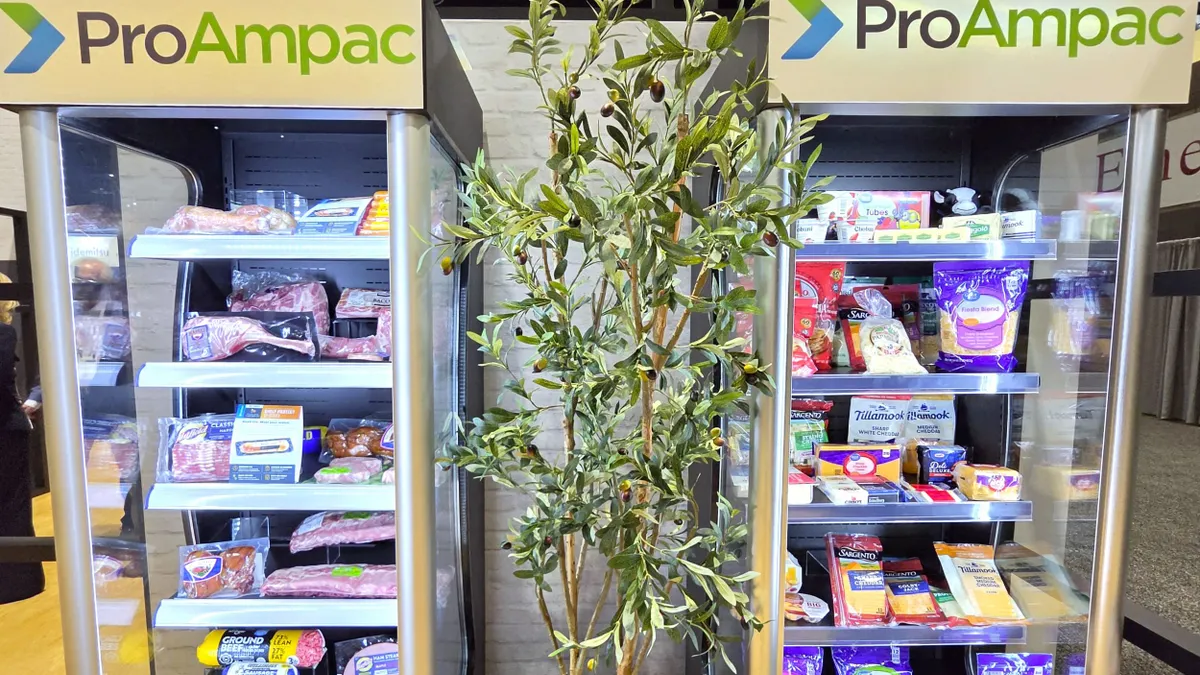
That deal was multiple years in the making, and we’re fortunate that we were able to partner with them. They’re clear leaders in the meat and cheese space. That's an area that we wanted to get into in a very large way, and we had been trying for years to get into that space. TC was a turnkey solution for us.
Integration's been going great. It's really hard to tell who's a TC person or a ProAmpac person anymore. From day one, we found that the commonalities in terms of the way people think about treating their customer and treating the operations was really similar to ProAmpac. So integration’s been going really well, and we're well ahead in certain areas, which is exciting to see.
ProAmpac frequently announces new or redesigned products. What are your priority areas right now, and how do you land on them?
HESAM TABATABAEI: We do innovation through material science. The goal is just to have solutions for our customers. There is a lot of push towards sustainability. That's not going to go away. Especially with the EPR laws, we do see a lot more momentum towards having sustainable solutions for our customers.
Of course, there's a lot of other momentum and a lot of other areas that we are focusing on, especially when it comes to shelf-life extension. That's very important. Our material scientists on the innovation team have been focusing on developing technologies that can extend product shelf life.
Just today, for example, we announced the launch of our ProActive Intelligence Shelf Protect Series, which is a direct food-contact antimicrobial technology for some key applications, especially in meat, as well as for cheese. That's going to help to reduce the food waste, which has a sustainability benefit.
Talking about how sustainability integrates with your innovation, does that primarily refer to the fiberization the company has discussed in the past? Or are there other big aspects?
TABATABAEI: With sustainability, we really have to see what it means for our customers. The sustainability definition varies from one customer to another customer, one brand to another brand. We're just creating a lot of options for our customer.
There is a huge push towards fiberization of packaging, toward fiber-based substrates that are considered to be curbside recyclable. But you also see a lot of momentum and activity on film-based recyclable materials.
Consumers are looking for their materials to be more sustainable by making them recyclable — like with a store dropoff for film, for example. We’re even incorporating PCR, which reduces the amount of virgin plastic, and significantly supports EPR legislation.
What do you think has been the biggest change in how ProAmpac approaches innovation and business over the last five years?
DESAI: I think one of the major changes we've seen is that 10 years ago, this concept around value-add packaging or sustainable packaging wasn't a real thing. As the markets have evolved, material science has become the forefront of that discussion.
ProAmpac was founded off a material science platform, and our technology is now getting in the marketplace pretty aggressively. It's been that way for the past couple years, which is why we've seen our growth rates organically be as strong as they are.
The markets are now catching up to that theory that we had close to a decade ago in terms of material science, value-add packaging and providing innovation in the marketplace. The markets are shifting away from a commodity standpoint and going to that value add instead. That’s what's going to win today.
TABATABAEI: There are a few areas. Fiberization, as you pointed out. Another thing is design for recycling; that’s not going anywhere. I mentioned some technologies for antimicrobial shelf-life extension. I think that’s really the future of packaging as well.
How you design your package to be more than just a package, we call it active packaging. Meaning that it's going to act on the product, it's going to do something — whether it's going to absorb moisture, it's going to absorb oxygen, it's going to reduce the amount of microorganisms on the package.
Another area is intelligent packaging, where the package is going to communicate to the consumer. Think about RFID tags, for example, or some sensors that are going to be incorporated into the packaging. It's going to give a signal to the consumer.
These are some of the areas that over the past five years that we have been focusing quite a bit. We launched a lot of platforms just on sustainability. We patented over 200 technologies over the past five years, and these are drop-in solutions for our customers, where the customer doesn't need to make any changes on their equipment and it's just going to run fine without reducing their line speed, without affecting their shelf life, and so on.
Are you using artificial intelligence in your packaging design and operations? If so, how?
DESAI: It’s everywhere, and it's woven into the fabric of the company — really any function that you can imagine. Whether that means smart sensors on the lines to help us with our preventative maintenance. Whether that means on the sales side, our pricing engines, our technology front, on our marketing side, in finance, in the legal departments. It's one of those technologies that we encourage everyone to go experiment with, and to see what the art of the possible might be.
Sachin, what do you think is the biggest challenge for ProAmpac right now?
DESAI: Labor. People. It's going to be true in any area, whether it's talent development and getting people ready for their future roles and putting them in stretch roles, or just recruiting enough to go meet the demand curves that we have in front of us.
The company has been growing tremendously quickly and we have openings for incredibly talented people throughout the organization. We're continuing to see that as an issue, especially on the direct labor side. It's hard to find people that want to be in manufacturing.
Hesam, what is a big challenge that has been difficult to work through recently on the technology and innovation side?
The evolving EPR legislation that keeps changing. I think there's not enough clarity on some of this legislation.
Sometimes we’re getting inquiries from the customer, about a product that is going to meet this legislation, but it's going to be in a year from now or two years from now. In the United States we have different states, different legislations.
Another good example is PPWR, which is in Europe right now. There’s certain deadlines that people need to meet.
The legislation keeps changing. That's why it’s important for us to have different options available for our customers. So no matter what kind of legislation is going to be in place, we have a solution.
Sachin, what is the main thing you think a lot of people don’t know about ProAmpac that you wish they did?
DESAI: The amount of thought and care that goes into product design and then getting it commercialized is greater than I've ever seen at any company I've ever worked for.
The amount of innovation that exists within the company is not just housed in one department. It's everywhere. I can't think of one individual that does not go home at night without thinking about how they can improve that scenario and make our packaging more attractive for customers at the back end.
The fact that we have 11,800 people that are gunning toward finding a better solution for customers, it's inspiring to be a part of that.