Circular Action Alliance released its first annual report detailing implementation of Oregon’s packaging EPR program — the first live program of its kind in U.S. history.
The report covers just the first six months of the program, which kicked off July 1, 2025. CAA emphasized 2025 as a “build year,” as the producer responsibility organization intends for full system implementation by the end of 2027.
As CAA highlights the early impacts of EPR dollars, the future of the program is under fire from multiple angles. A trial is set to take place in Oregon next week as the National Association of Wholesaler-Distributors argues the packaging EPR law is unconstitutional. Separately, manufacturer Lollicup USA recently launched a class action lawsuit against Department of Environmental Quality Director Leah Feldon.
These were some of the figures CAA revealed from the first six months of Oregon’s rollout.
Collecting covered materials
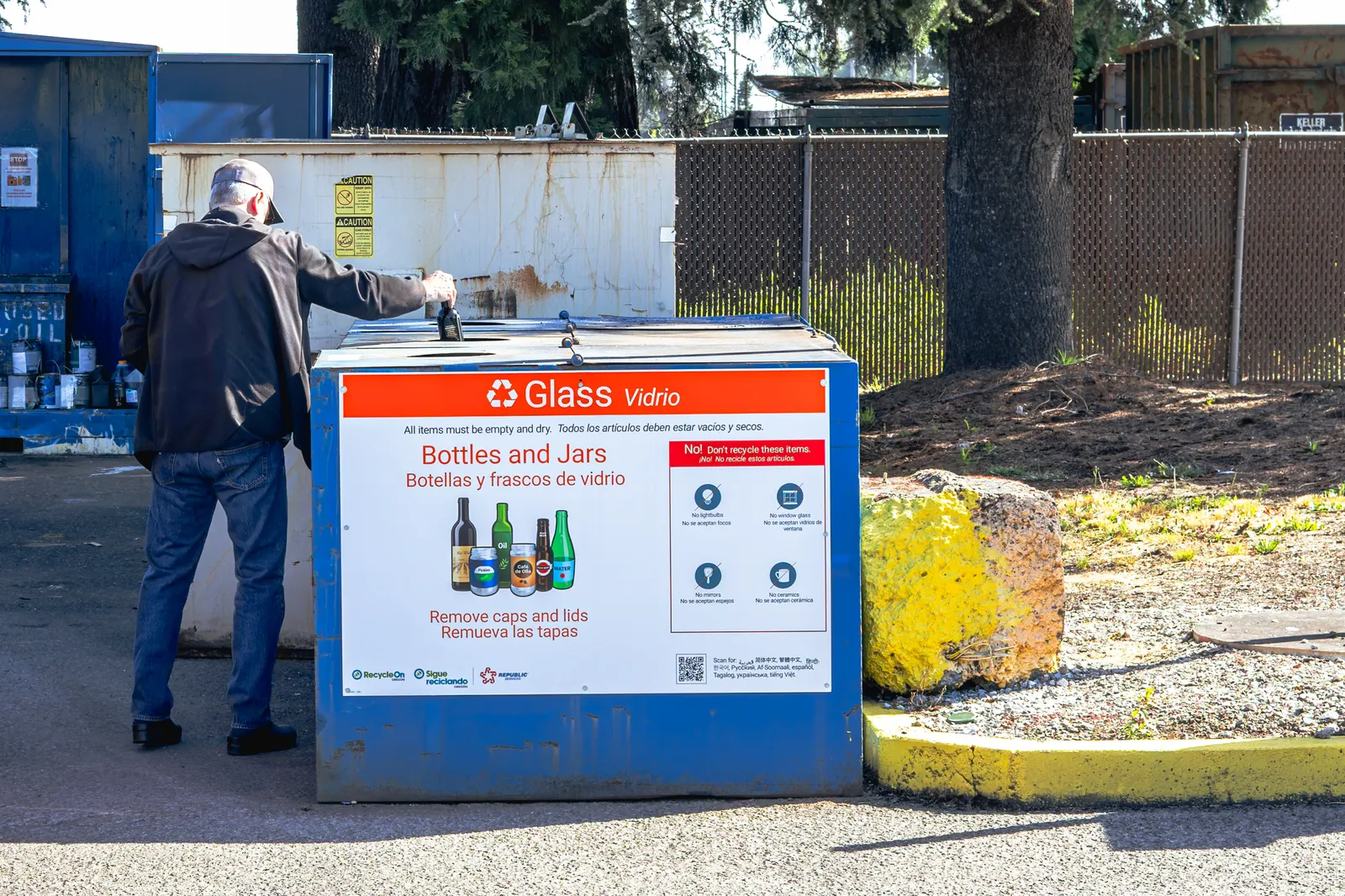
Oregon’s Plastic Pollution and Recycling Modernization Act aims to expand collection through increased curbside and depot access. For depot-based collection, CAA said the 2026 reporting year will serve as a baseline year for calculating utilization and collection rates.
Producers reported selling nearly 410,000 tons into Oregon
Responsible end markets
Oregon’s law emphasizes sending material to responsible end markets. Requirements aim to ensure materials are recycled in a transparent and trackable way that minimizes environmental and public health risks. CAA is working on timelines and documentation expectations to phase in Oregon’s REM requirements. Meanwhile, it’s also working on a global REM standard.
Paying into the system
Oregon’s packaging EPR program is the first that producers paid into in the United States. CAA said program costs in 2025 were lower than originally projected “due to implementation timelines — not reduced scope — with major investments scheduled to continue rolling out in 2026 and 2027 as contracting and procurement progress.”
Investing in recycling
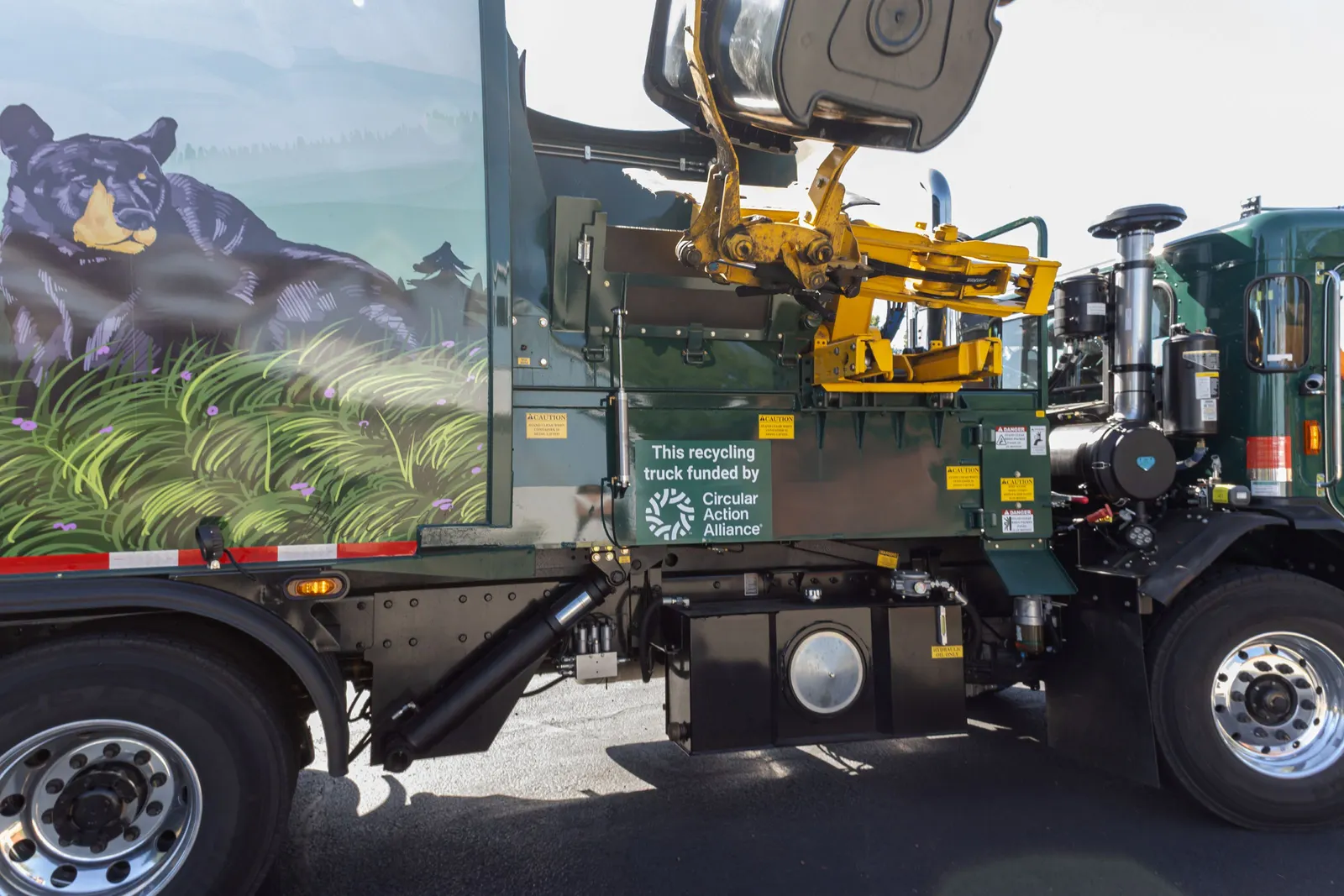
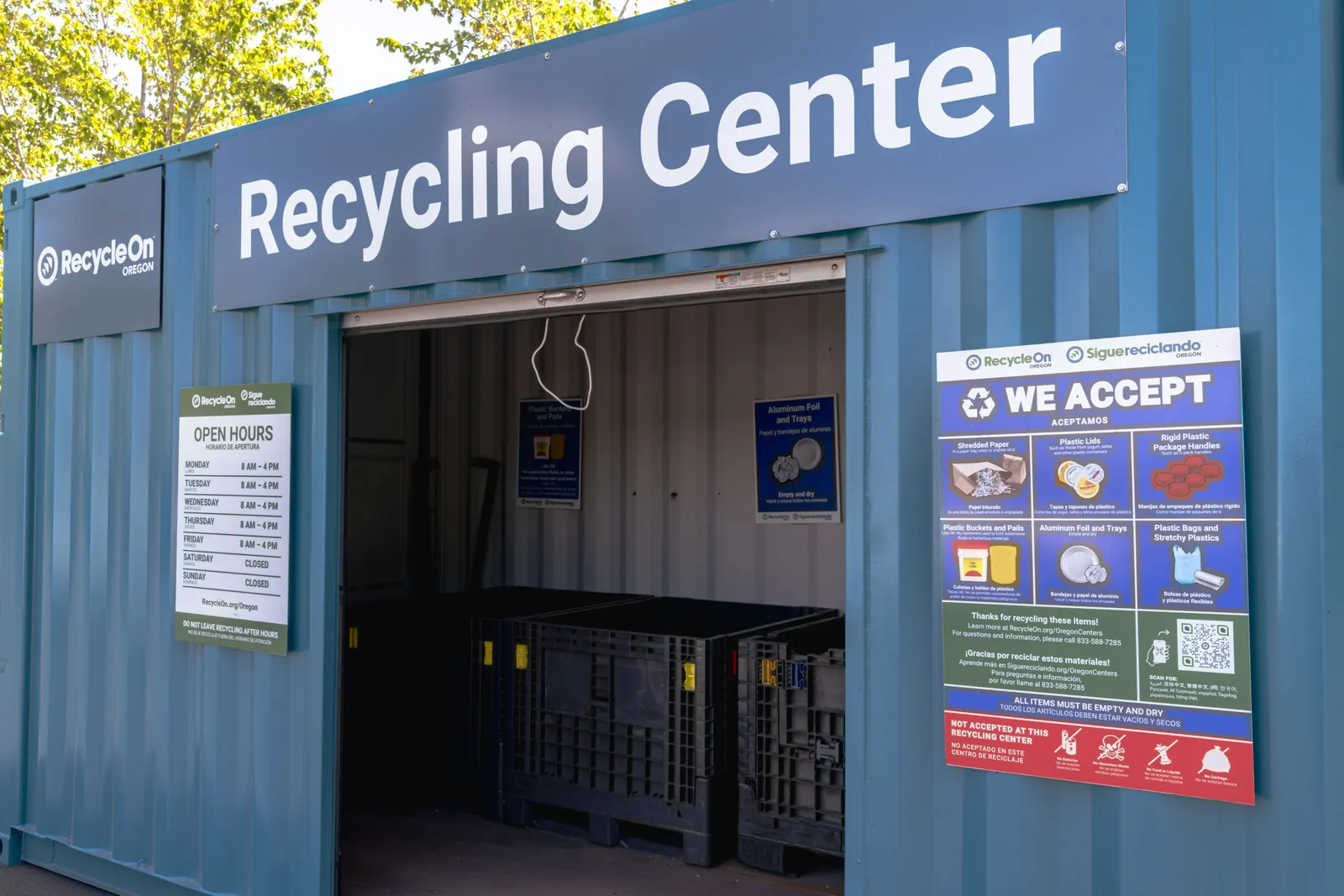
Where are funds being reinvested? From 2025, outlays included new collection tools and recycling centers.
CAA has built on that in 2026; The Dalles is one Oregon community that has received larger carts to recycle an expanded list of materials. Elsewhere, CAA has funded new trucks, which are meant to help support recycling service expansions as residents begin to recycle more kinds of materials.
Looking ahead, CAA aims for there to be 144 recycling centers by the end of 2027 to provide convenient drop-off locations for “tricky-to-sort materials” that can’t go in curbside recycling but can still be recycled in the state. That includes items such as plastic bags, lids, plastic buckets, shredded paper and foil.