Extended producer responsibility for packaging programs in the United States have had some major firsts the last few years. Maine was the first state to pass a packaging EPR law in 2021. Oregon became the first state to begin implementing such a program in 2025.
Next week is slated to bring a new milestone: The first packaging EPR lawsuit to go to trial.
That means that by year’s end, there could be more clarity about the future risks and opportunities with these programs. It’s “our version of a championship sports game,” said Alexandra Ward, environmental attorney at law firm Holland & Knight.
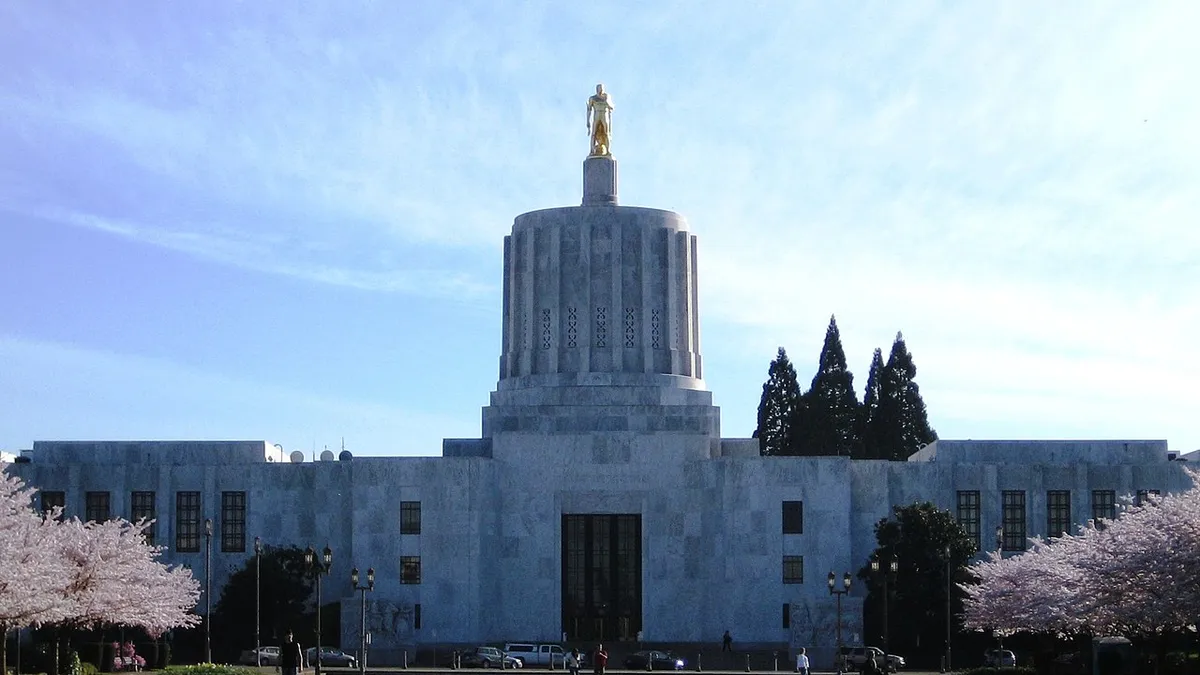
The Oregon trial
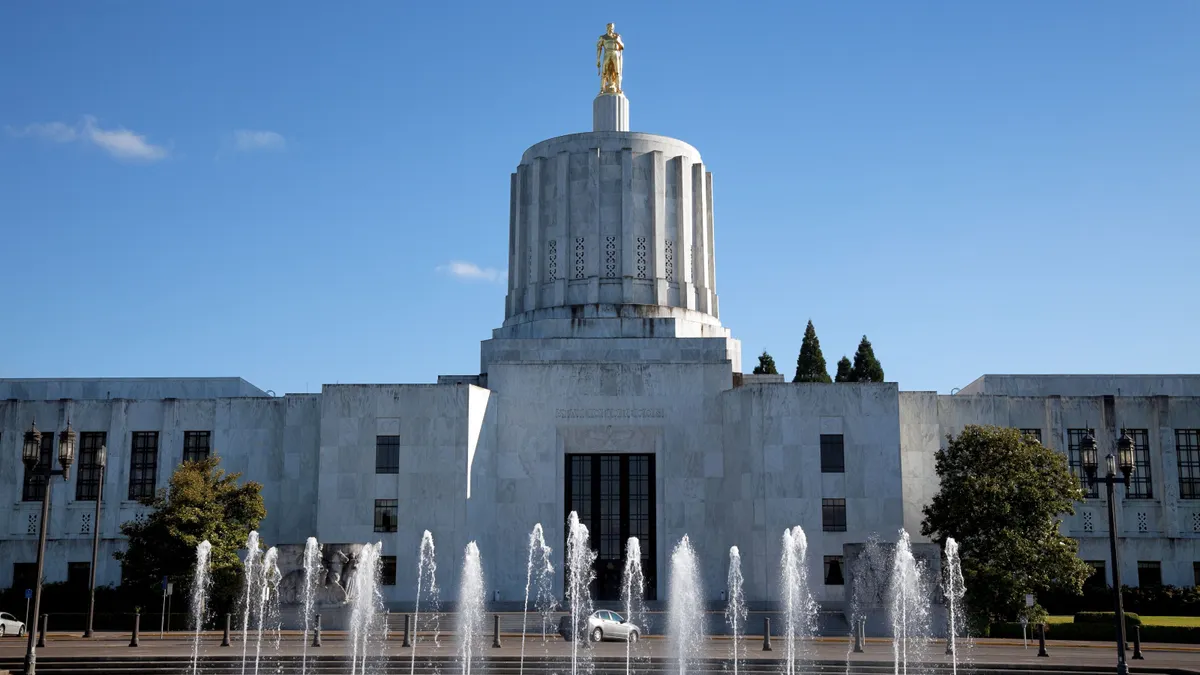
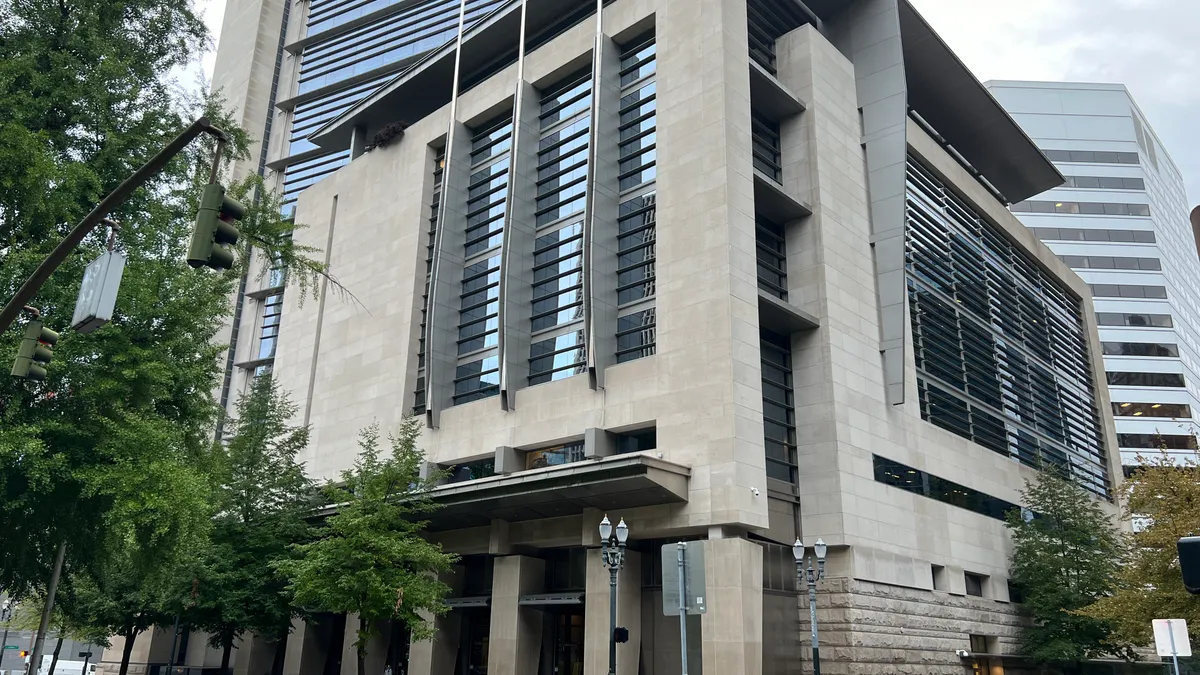
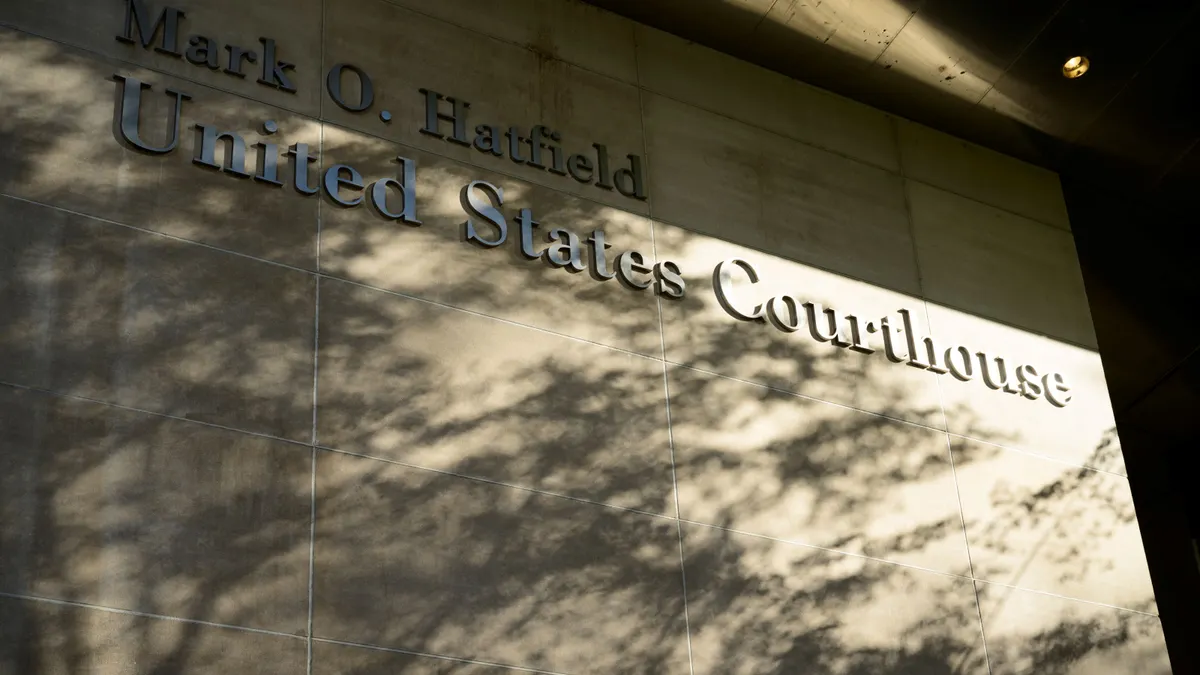
The National Association of Wholesaler-Distributors is poised to argue its case in a five-day trial in Portland, Oregon, starting July 13 — less than a year since it filed a lawsuit that’s gripped producers and the recycling world.
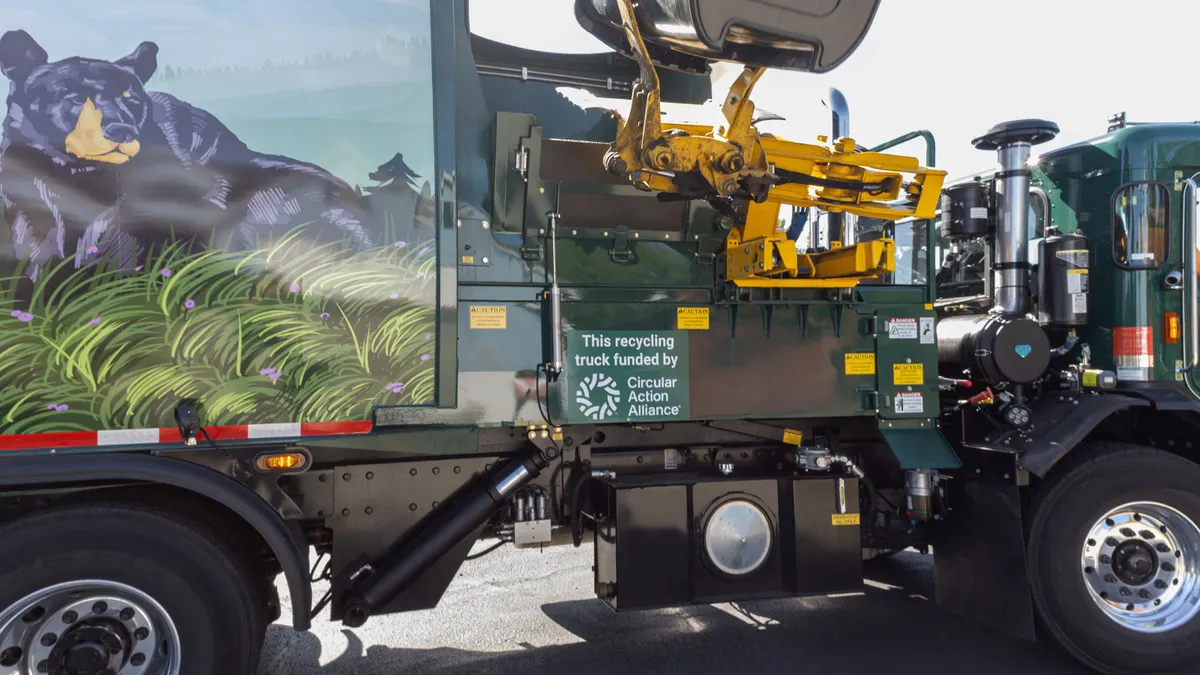
NAW believes Oregon’s packaging EPR program is unconstitutional on two primary grounds: violation of the Due Process Clause, particularly as it relates to delegating authority to producer responsibility organization Circular Action Alliance, and violation of the Commerce Clause, given the state program’s implications for out-of-state businesses.
Major milestones in NAW’s Oregon lawsuit
-
July 1, 2025Oregon’s packaging EPR program launches
-
July 30, 2025NAW files lawsuit in U.S. District Court for the District of Oregon in Portland
-
Feb. 6, 2026Court grants preliminary injunction, temporarily blocking enforcement of Oregon’s EPR law for NAW members
-
March 16, 2026American Forest & Paper Association and other business groups submit filings to intervene in case and motions for preliminary injunctions
-
April 1, 2026Requests to intervene are denied
-
April 6, 2026Court clarifies that preliminary injunction only applies to entities that were members of NAW prior to the Feb. 6 preliminary injunction
-
July 13-17, 2026Case slated for trial before U.S. District Judge Michael H. Simon
The case clearly has merit, given that the judge granted NAW the preliminary injunction, Ward noted.
The case offered “proof of concept” and “has just gotten stronger,” Karen Harned, NAW’s director of litigation and legal policy, told Packaging Dive ahead of the trial. “Our members have really stepped up and told their stories, and all that will come out in the trial.”
While the judge denied additional motions to intervene, “that doesn't mean that the activity was not helpful,” Harned said. “I think that all this is doing is showing that this is really impacting a lot of people, that it’s not just the wholesalers.” Those groups’ actions show “that this is a very broad, unprecedented EPR program that is unlike any other,” Harned continued. “What is illegal is the structure of the program, and that hasn’t changed.”
The case has seen support on NAW’s behalf from numerous business associations, including the International Franchise Association and Restaurant Law Center. There’s also been support for the defendant, DEQ Director Leah Feldon; The Recycling Partnership recently filed its own amicus brief.
Unlike more mature regulations and programs in Canada or the U.K., “the patchwork of U.S. EPR laws is what makes it so difficult, and makes it also potentially ripe for challenge,” Ward said.
Oregon DEQ has previously said it cannot comment on pending litigation.
Beyond Oregon
While it’s unknown when Judge Michael H. Simon will rule in the case, Harned noted he’s been “very engaged from the beginning.”
“I do know that everybody wants a final answer,” Harned said. “He appreciates that. I assume that’s why he wanted to put this on such a short fuse to from preliminary injection to trial. So I’m hopeful that he’ll issue a decision soon. Is that September, October, November? I don't know.”
Holland & Knight attorneys conjectured a decision could come as early as late summer or early fall. “I would be very surprised if we close out 2026 without a decision in that case,” Ward said.
“That’s going to be the first EPR litigation that’s been decided. So that’s going to be huge not just in Oregon but nationwide and in any state that has EPR laws, or frankly any state that's considering to adopt EPR laws,” Ward continued.
Depending on what the court decides, other states may adjust their own EPR regulations to mitigate or prevent any risk, she noted.
Minnesota, for example, adopted a packaging EPR law in 2024 but is still sorting out the particulars. “So I’m sure that it's going to be closely tracking this litigation,” said Maggie Pahl, also an associate with Holland & Knight.
If the court does determine there are issues with the law, the judge could rule on whether any components are salvageable, whether it’s unconstitutional for a specific class, or if it needs to be declared entirely unconstitutional, Ward explained.
And while NAW may have been the first to sue over packaging EPR, it’s not the last. There are now multiple pending state-level and federal lawsuits in California, Colorado and Oregon, brought by manufacturers, business groups, environmental groups and state attorneys general.
The recent wave of additional lawsuits is no coincidence, Pahl said. A multi-state reporting deadline this spring had producers feeling the impacts. “I think it encouraged a lot of regulated entitities to look out for litigation opportunities.”
“There was the one association that was willing to put their neck out a little bit to be the first,” Ward said. “We're realizing that this is actually not just a single industry problem, but it's felt by [essentially the entire] American economy.”