Dive Brief:
- The Northeast Recycling Council launched a PCR Material Demand Hub to help companies, whether they make packaging or just purchase it, tap into domestic recycled content markets.
- The hub includes information on numerous materials commonly used in packaging, including paper, plastic and aluminum. While the main focus is recycled content, there’s also information on waste diversion, reuse, carbon impacts and other life cycle assessment variables. NERC hopes to add to it in the future, including resources for creating contracts.
- For those newer to PCR purchasing, the hub has a road map for getting started, as well as a Q&A on how to identify and buy plastic products with PCR. The hub draws on work from the Association of Plastic Recyclers in that area.
Dive Insight:
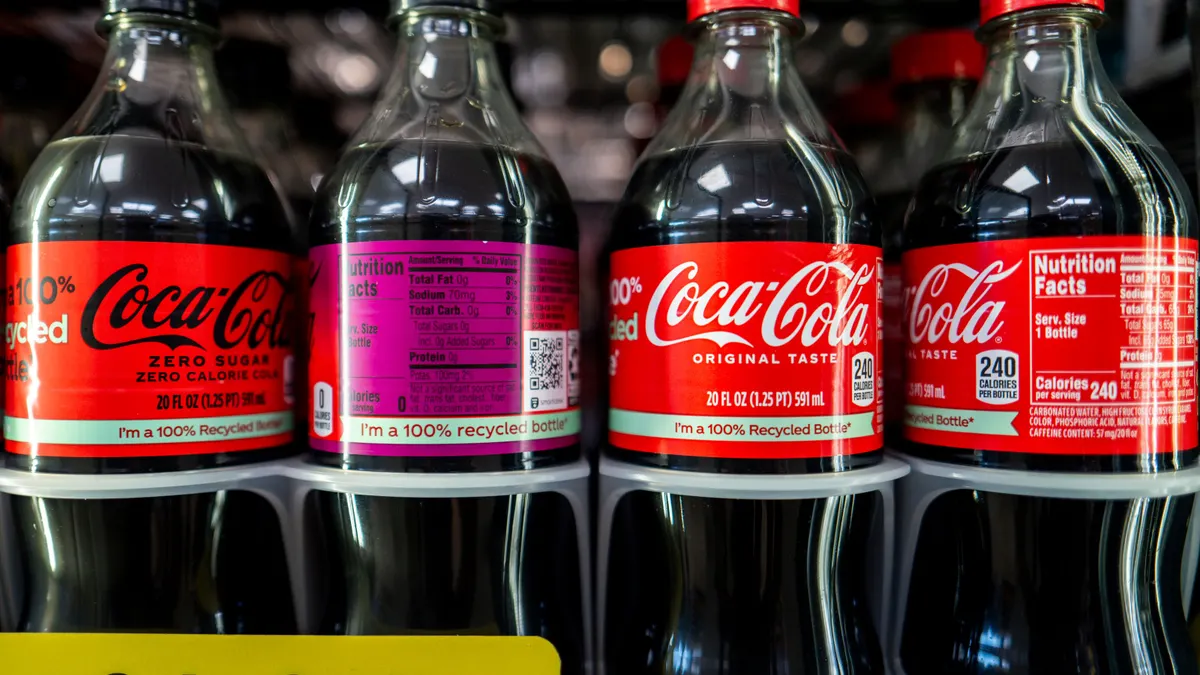
Companies and organizations looking to buy postconsumer recycled content and help shore up faltering domestic recycling markets have a new place to go for support. The Northeast Recycling Council launched the PCR Material Demand Hub to help counteract the recent strain on recycling markets as some brands loosen recycled content goals and resin imports surge.
Megan Schulz-Fontes, executive director of the Northeast Recycling Council, said it’s the latest iteration of past programs.
“We wanted to create a hub which pools all the resources that NERC had developed historically, as well as new ones that have come about since, to make it easier for organizations, whether they’re private or public, to purchase sustainable materials,” she said.
In the past, NERC had worked with APR on the Government Recycling Demand Champions Program, which focused on getting governments, nonprofits and academic institutions to buy recycled materials. By 2022, activity in that program had started to lapse, Schulz-Fontes said.
“We had done a lot of outreach. It was my impression that it wasn't a need as much anymore, because those organizations had established sustainable procurement programs,” she said.
However, markets shifted, most notably for PET, and today, we all “see and feel the impacts of processor closures due to the cheaper imports coming in and the chronic oversupply of virgin,” Schulz-Fontes said.
There was a need again. As APR relaunched and redesigned the Recycling Demand Champions program and the National Stewardship Action Council started its “Remade in America” pledge, Schulz-Fontes said NERC wanted to support those programs and also reinvigorate some of its own.
The Demand Champions Program suggests that organizations commit to PCR use, establish long-term supply agreements and think outside the box by using PCR in non-standard formats. To support those goals, the hub has a directory of manufacturers, vendors and suppliers of a variety of products with recycled content, as well as a Recycled Content and Environmentally Preferable Purchasing Directory with all levels of governmental resources, purchasing specifications and certification standards.
That Environmentally Preferable Purchasing Directory is based on work that former NERC Executive Director Lynn Rubinstein did to develop an environmentally preferable purchasing specifications document, which is helpful for those who are just getting started, Schulz-Fontes said.
In addition, the hub will link procurement professionals and others working in adjacent roles via an Environmentally Preferable Purchasing Network listserv called EPPnet. That’s also one of NERC’s older programs that needed new life breathed into it, Schulz-Fontes said. “We’re hoping that's something that's useful for folks,” she said. Anyone who is working directly on procurement is welcome to reach out to be added to the group.
Other directories that NERC’s hub link to are the EcoPaper Database; Intertek’s Sustainability Certification Directory; the Electronic Product Assessment Tool; SCS Global Services Certified Green Products Guide; EPA’s CPG Product Supplier Directory; and APR’s Buyers and Sellers Directory.