ROSEMONT, Ill. — Extended producer responsibility for packaging laws are a leading driver of the packaging industry’s current changes, and advocates want brands to know their efforts to understand these state laws and come into compliance are seen.
Brands generally are considered producers who have to pay into state systems, and therefore it tracks that they're intensely watching the movement, said speakers at the Packaging Recycling Summit in Rosemont, Illinois, last week.
Here are some EPR themes that came up during the conference, held June 15-17.
You've got questions. So does everyone else.
As EPR begins to take hold in U.S. states, questions abound across the value chain.
“We're supposed to be talking about navigating EPR, and I'm not sure that I'm really any more familiar with where I should be going as a local government," said Christina Seibert, executive director at the Solid Waste Agency of Northern Cook County, Illinois. "I've got as many questions as I have answers."

"Compliance tension" is "definitely top of mind for a lot of brands," said John Hite, senior director of public policy and government affairs at The Recycling Partnership. "I can understand from a compliance perspective what everyone is going through."
Seibert is glad Illinois is learning from other states first and hasn't yet implemented a packaging EPR law. She noted that legal challenges have arisen as a risk for certain states' EPR programs, the first cropping up in Oregon last year and the second just this week in California.
"We want to have policy that is defensible, that is implementable, that is operable from all the different levels of the chain," Seibert said. She anticipates Illinois will take another run at an EPR law during the 2027 legislative session. The state’s needs assessment is due Dec. 1.
State disparities create tension
The differences among states’ packaging EPR laws is a major pain point for brands and packaging companies, speakers said.
"Where we create conflict in setting policy is creating conflict for the implementation and the logistics that it takes to make it effective," Seibert said. "We know that brands are not designing packaging for a state, they're designing it for a market. The market is national, and sometimes larger than national."
Some of the biggest tension points Hite sees are for definitions of compliance, material categorization, fees and incentives. On the bright side, harmonization is emerging in areas such as responsible end markets.
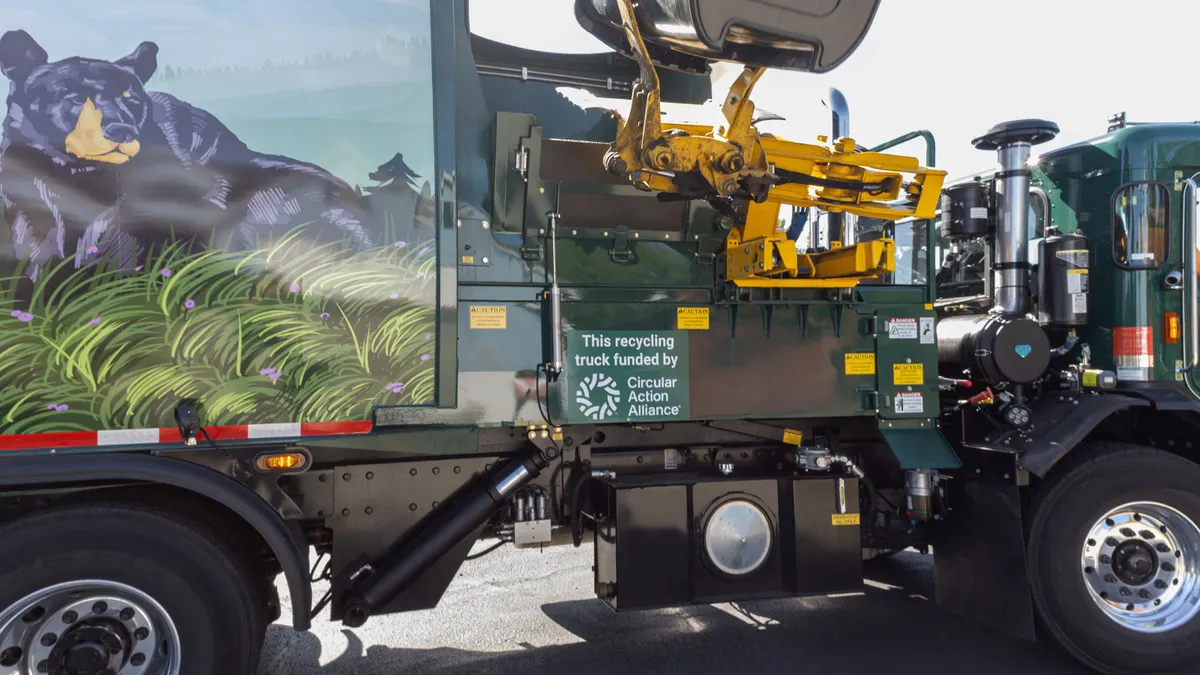
"We're seeing the states more or less copy each other in terms of the rules that are being written around REMs, and we most recently have seen Circular Action Alliance provide their draft REMs standard as a PRO across six of the EPR states," he said. "I think we're starting to see some alignment there — but still some of this real tension."
Peeping at data solutions
Concerns over disparate state programs also have come up at Just Born Quality Confections, the parent company of candy brands including Mike and Ike, Peeps and Hot Tamales.
"Every time I thought I had a good grasp, another state would change their goal posts," said Charlotte Ashcraft, senior manager of packaging and graphics development, discussing her journey with learning about EPR. "Then something clicked for me. I realized I was trying to solve the wrong problem. I was treating EPR like a policy problem, and it's not — at least not for us. EPR is really a packaging data problem."
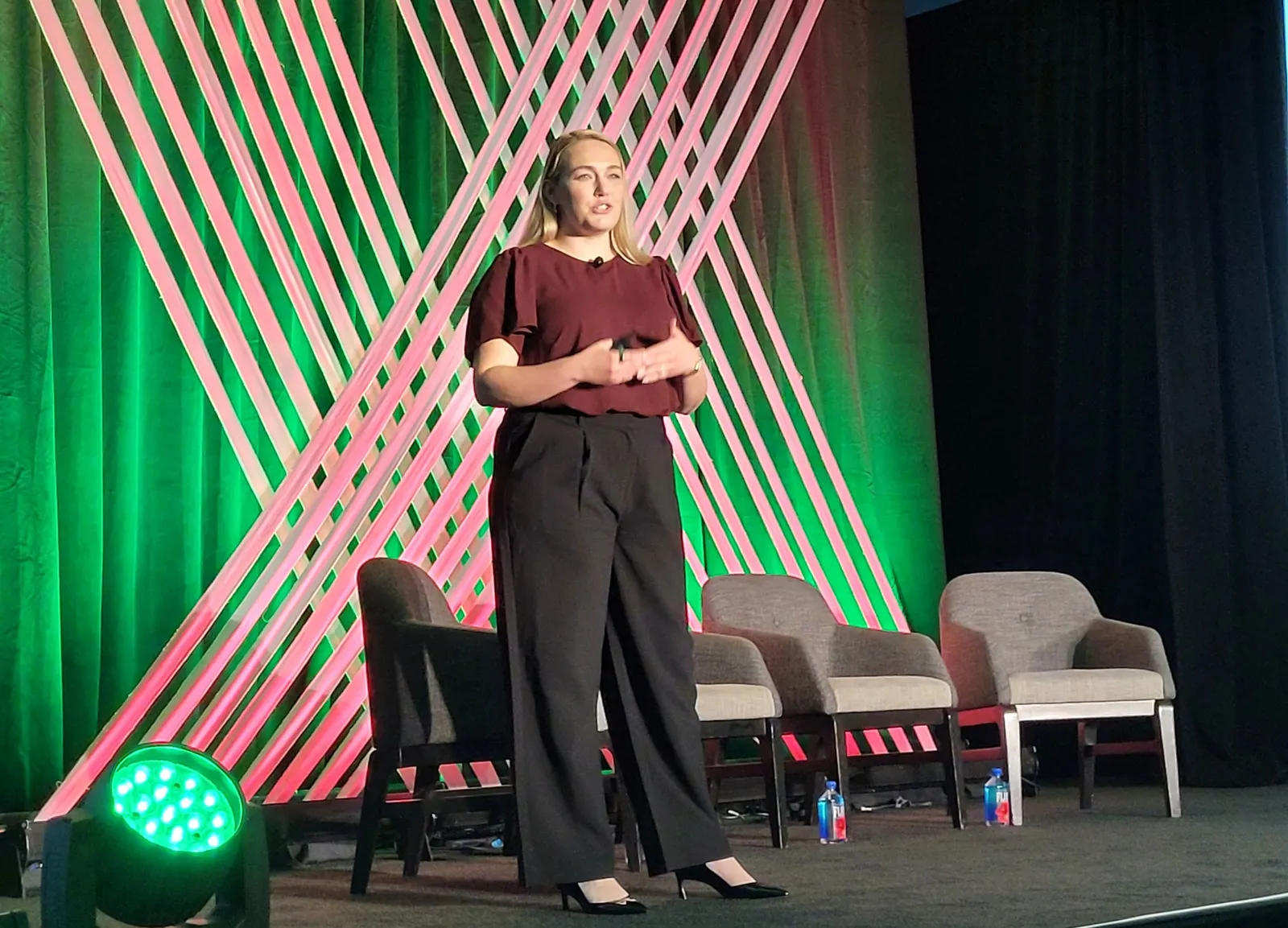
She said each state is asking for some version of the same information: how much packaging is being shipped into their state's market. But Just Born didn't have a single source of this information across its portfolio of several hundred SKUs, so Ashcraft initiated an audit of the entire packaging portfolio to build a database.
“It was arguably one of the most important parts of this entire process," she said. "Because if your inputs are wrong, your model doesn't matter, your formulas don't matter, your outputs are wrong, and so are your [EPR] fees."
After building various iterations, today's model is "really just taking our volume, multiplying it by weight for case, and outputting our data that we need to submit to the CAA," she said. Having this system in place made CAA's May 31 baseline reporting deadline for six EPR states less stressful than last year's deadlines, Ashcraft said.
She shared advice for other CPGs lost in the sauce about how to start building a data model for EPR reporting: "Don't strive for perfection. Just start."
Where the fees flow
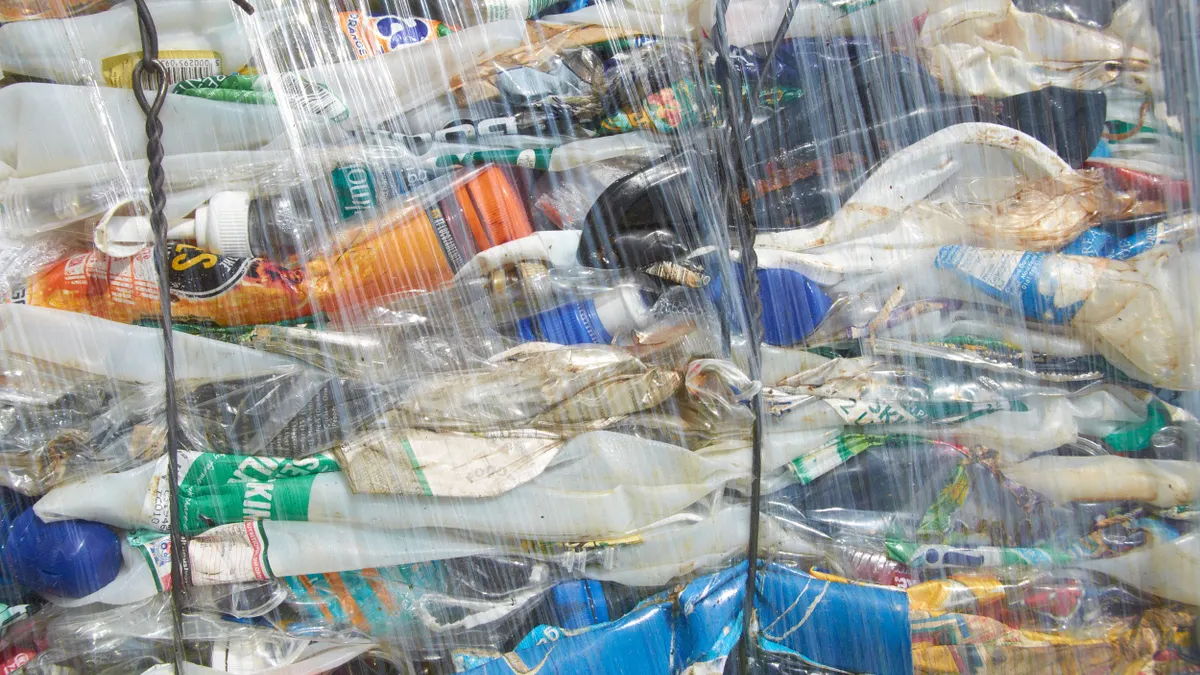
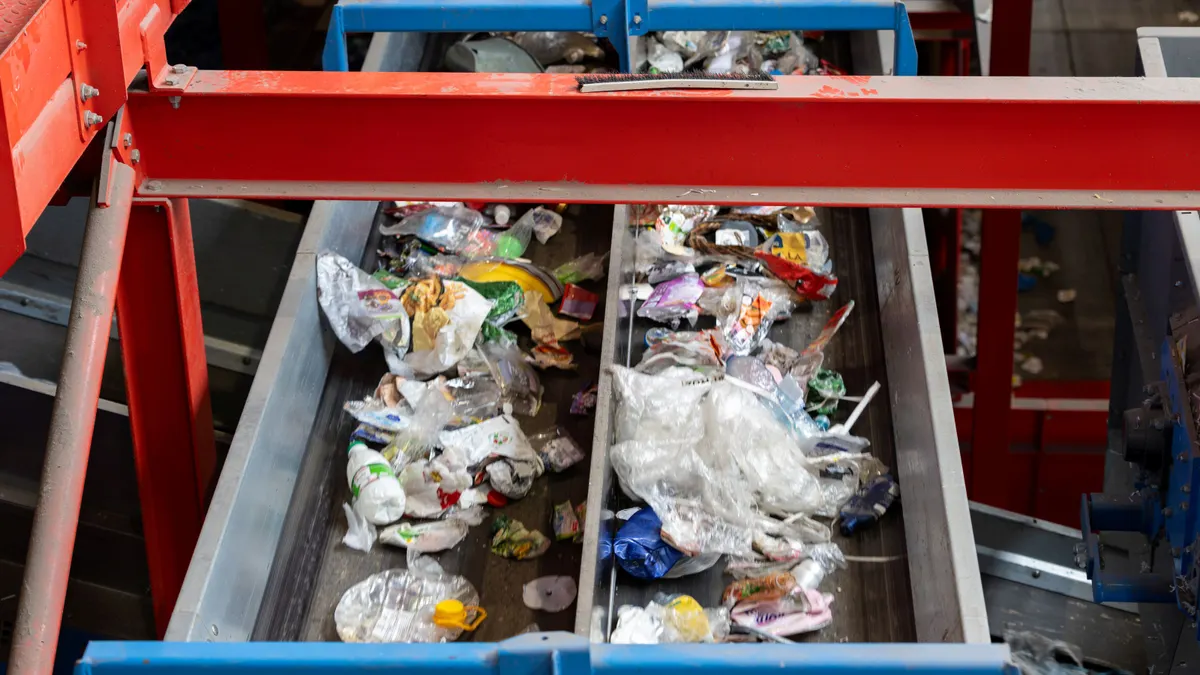
Various speakers touched on how collected EPR fees go toward adding or improving recycling infrastructure. Speakers at one session discussed an area they believe should be at the top of the funding list: flexible film recycling.
“If you're deep in the EPR space, like I am, you maybe read the needs assessment out of California that CalRecycle paid for. And it really demonstrated that the bulk of the investment that needs to go into building infrastructure and recycling material is for flexible film, because it just doesn't exist today,” said Patrick Keenan, a sustainable packaging engineer focused on R&D at General Mills.
State EPR laws’ recycling rates are putting pressure on packaging sectors like plastic film, especially in California. Failing to meet requirements could result in fines for producers or material bans.
So far film recycling has not been a profitable business, especially curbside, Keenan said. Prior to EPR in the United States, some efforts were underway to recycle film, said Teo Medellin, director of global corporate packaging sustainability at Procter & Gamble. But now, “EPR is a big injection of money into the systems. What we are trying to do here is to make sure that the money flows in the right places,” he said, referencing work by the U.S. Flexible Film Initiative.
“The net result, I hope, of EPR programs is that we can tell consumers that they can recycle their flexible film,” Keenan said.