Dive Brief:
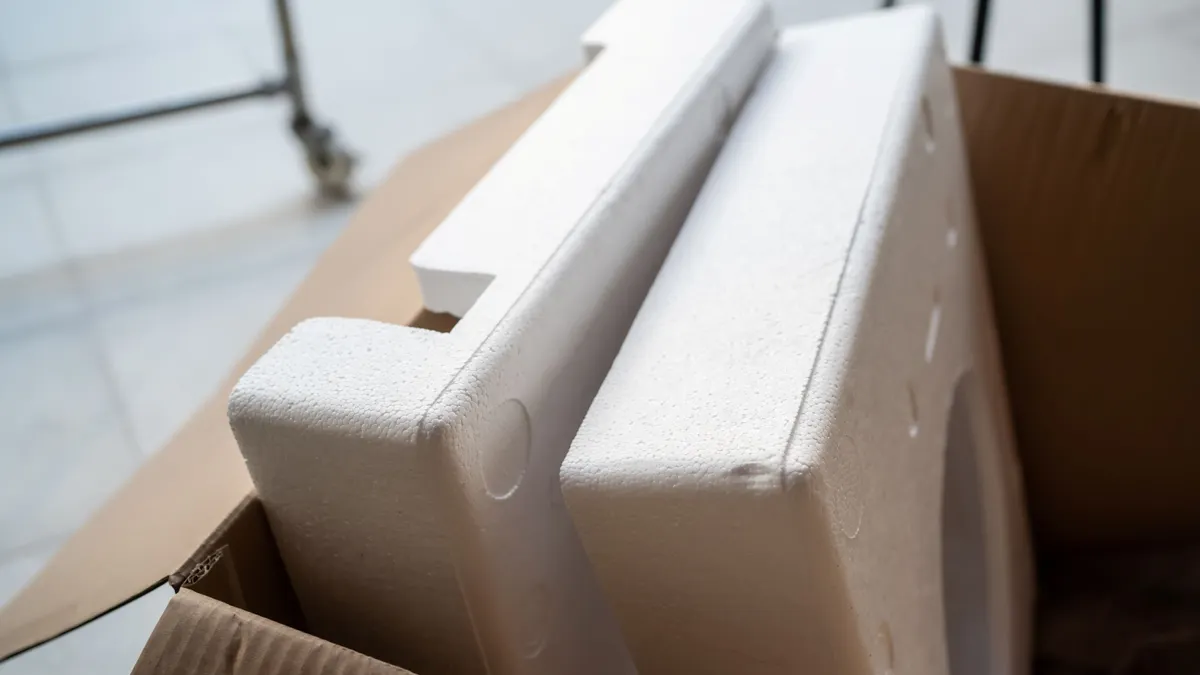
- The U.S. Plastics Pact announced Wednesday that it has removed expanded polystyrene transport packaging from its Problematic & Unnecessary Materials list. This is the first time the group has removed an item from the approximately four-year-old list.
- The removal follows the Polystyrene Recycling Alliance’s request this spring for USPP to delete this foam packaging, as well as rigid polystyrene packaging, from the list. USPP is not removing any other items at this time.
- While USPP already had planned to review the list this year, it was able to accelerate the examination of transport EPS after receiving additional data, USPP Executive Director Crystal Bayliss told Packaging Dive. “This update is a reflection that when there's focused efforts, it can change outcomes.”
Dive Insight:
The U.S. Plastics Pact first released its list of problematic or unnecessary materials in 2022, identifying 11 plastic packaging items that were “not currently reusable, recyclable, or compostable at scale in the U.S.” It called for those items to be phased out by 2025 to align with the group’s mission of advancing plastics circularity by fostering collaboration across plastics value chains.
“The list is intended to be guidance in terms of identifying the formats that have the most obvious path to circularity and designing portfolios in a way which are going to create high quality PCR,” Bayliss said. “So things will forever change because you can solve challenges on the design side, you can also solve challenges on the collection and end market side.”
While the list and how the items on it are addressed has evolved over time, no items have been removed until now. This milestone was only possible because of collaboration across the value chain, and that should be recognized, Bayliss said — especially at a time when there are so many challenges to advancing a circular economy.
“Folks came together and implemented targeted strategic solutions, including making sure that they were developing the demand and the end markets for the PCR at the same time that they were driving collection,” she said. “We should pause to celebrate that, and also to see what learnings we can pull from that to apply to other areas.”
Transport EPS has a 31% recycling rate in North America, according to an end markets study released by PSRA this year. Nationwide, there are more than 700 drop-off locations and business-to-business recovery systems, it found. The material’s main recovery through commercial and drop-off channels, instead of residential curbside collection, means transport EPS is less contaminated, the group says.
Previously, no parties had presented USPP with separate recycling data for transport EPS and other types of PS, Bayliss said. The new information also showed concerted efforts to install EPS densifers in more warehouses and distribution centers to enable material collection.
That’s part of what cleared the packaging format for removal from the list: USPP confirmed it moves through the system differently than other EPS products. USPP determined that the recycling data meets the group’s threshold for removal from the problematic list. The change does not apply to other types of polystyrene.
Splitting larger material categories into more specific subsections sometimes occurs during the review process, Bayliss explained. Plus, these split groups can end up on either the elimination list or the evaluation list.
Both are guidance documents based on circularity assessments using USPP’s decision tree. The evaluation list highlights materials for which targeted interventions have the potential to overcome challenges that come up during the assessment. That list also highlights cases where better alternatives aren't yet available, so material changes could result in unintended consequences, Bayliss explained.
“In 2024, when we took a look at multimaterial film, we did split it at that point between the elimination list and the evaluation list ... based on the applications in which it’s used and the ability to collect it,” she said. “The data [for transport EPS] aligned with how we split that out.”
USPP’s broader review of the Problematic & Unnecessary Materials list is still ongoing. While there is no firm timeline, Bayliss aims for it to be complete by year’s end. “We’ll have an announcement to be made at that point in time based off the outcomes of that review.”
“The lesson that’s important to learn here is not to shy away from challenges. It's not to kick the can down the road. It's to come together and figure out what's actually a challenge in this situation and how do we come together and solve that,” Bayliss said.