
For distribution centers managing thousands of SKUs, the question of how to pack an order can have implications well beyond the packing station.
A box that is larger than necessary takes up more space, requires more material and can create additional handling throughout the fulfillment process. At the same time, manually selecting cartons for a wide variety of products can add labor and complexity to an operation.
As warehouses look for ways to improve throughput while making better use of space, right-sized packaging is becoming an increasingly important part of the conversation.
Polaris saw an opportunity to address that challenge as it expanded its Parts, Garments and Accessories (PG&A) operation in Wilmington, Ohio. The company added approximately 160,000 square feet to the facility and was looking for ways to increase capacity and efficiency as its product portfolio continued to grow.
The operation handles more than 29,000 SKUs, creating a particularly complex packaging environment. Rather than relying solely on a selection of standard cartons, Polaris incorporated automated right-sized packaging into its broader material handling system.
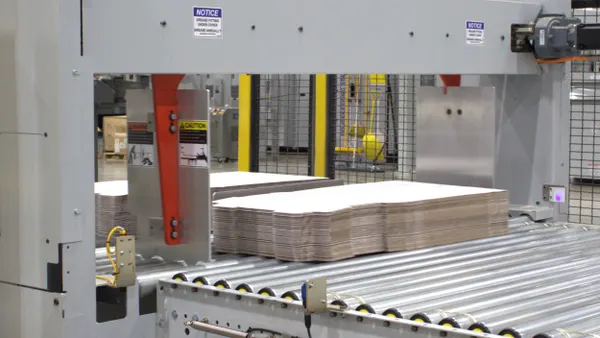
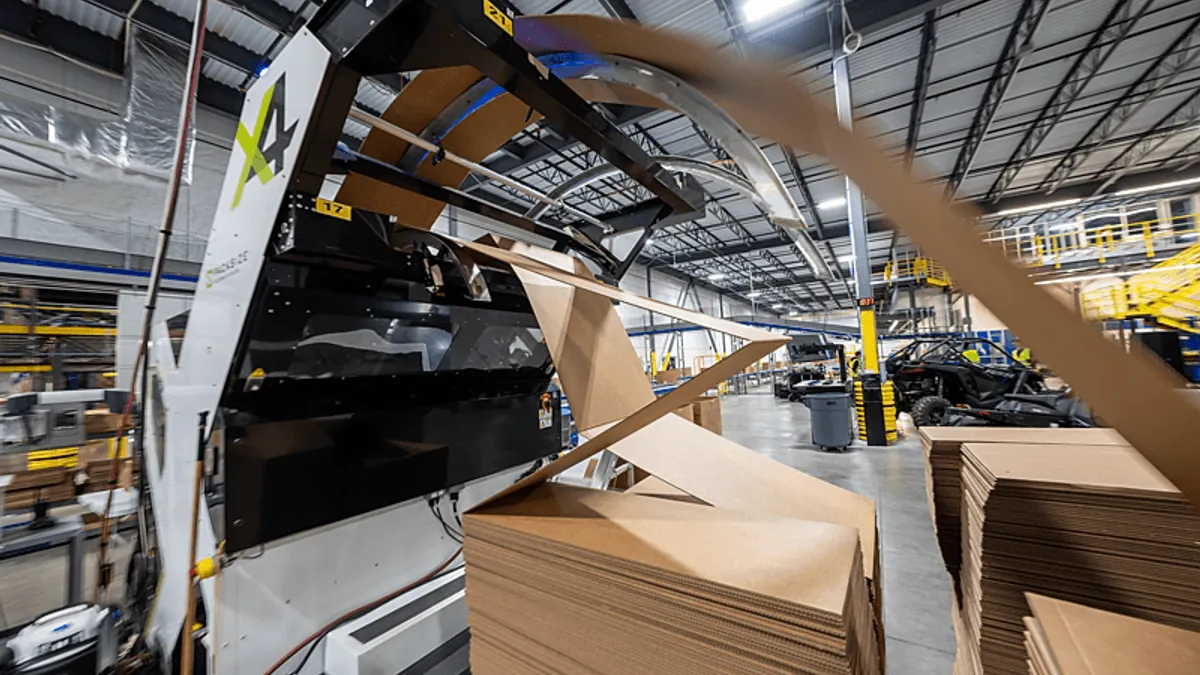
The Packsize X4 system produces a carton based on the dimensions of an individual order. In practice, that means the packaging process can respond to what is actually being shipped instead of forcing products into predetermined box sizes.
That distinction can matter in operations where order profiles vary significantly.
Right-sized cartons can reduce unused space within a package and decrease the need for additional void fill. They can also help make better use of storage and transportation space by limiting the amount of air moving through the supply chain.
For warehouse operators, the benefits can extend to the labor involved in packing. Automating carton creation reduces the need for employees to spend time determining which box to use and handling multiple carton sizes. It also creates an opportunity to connect packaging more directly to upstream fulfillment processes.
That was an important consideration for Polaris.
The right-sized packaging system was integrated with an AutoStore goods-to-person picking system, allowing inventory to be brought to employees rather than requiring them to travel throughout the warehouse. The system uses 74 robots and 44,000 bins and can deliver approximately 1,800 bins per hour.
Conveyor systems then move products through the facility toward packing. The operation includes approximately 3,200 linear feet of conveyor, along with three extendable conveyors and existing conveyor systems in the picking and packing areas.
The result is a more connected process from storage and picking through packaging and shipping.
According to Polaris, the changes contributed to a 150% improvement in picking operator productivity, while also improving employee safety and ergonomics. The company was able to increase its operational capacity without requiring another expansion of the facility's physical footprint.
The project also illustrates why packaging decisions increasingly need to be considered alongside warehouse automation rather than as a separate step at the end of the fulfillment process.
When picking, material movement and packaging systems are designed to work together, information about an order can influence how that order moves through the facility, including the carton ultimately used to ship it.
For companies dealing with growing SKU counts, labor constraints or pressure to make better use of transportation and warehouse space, that connection can create opportunities to improve efficiency without simply adding more space or labor.
The Polaris project began in April 2022 and went live in April 2023. Its experience demonstrates one approach to a broader challenge facing distribution operations: finding ways to handle more complexity without allowing that complexity to create additional waste and inefficiency.
As fulfillment networks continue to evolve, the humble shipping carton may be worth a closer look. The right box can be more than packaging; it can be another piece of the overall warehouse strategy.
See right-sized packaging and integrated automation in person: Toyota Automated Logistics will be at PACK EXPO International 2026, Booth LU-8113, where attendees can learn more about approaches to connecting packaging with broader fulfillment operations.