Dive Brief:
- Packaging and retail trade groups that sued California officials over “truth in labeling” law SB 343 now seek to expand their complaint to also target packaging EPR law SB 54.
- “The ambiguities and constitutional infirmities that plague SB 343 have now infected another statute,” they wrote in an amended federal complaint filed Thursday.
- Specifically, plaintiffs want to challenge “provisions of SB 54 that redefine the word ‘recyclable,’ create opaque product and packaging design requirements, and place corresponding compliance and financial obligations on businesses.”
Dive Insight:
As implementation efforts for California’s extended producer responsibility and source reduction law SB 54 ramp up, other lawsuits targeting SB 54 are still pending. That includes a lawsuit led by Nebraska’s attorney general, with more than a dozen other AGs and the National Association of Wholesaler-Distributors.
More than 20 business groups are participating in this newly updated case first filed in March, led by the California League of Food Producers. The plaintiffs found success in July securing a preliminary injunction blocking enforcement of SB 343.
The list of plaintiffs also includes the American Forest & Paper Association, the Flexible Packaging Association and the Consumer Brands Association.
Also involved is a coalition known as Californians for Affordable Packaging, which the Los Angeles Times reported was registered as a lobbying organization in June and whose board is led by AF&PA Vice President of Government Affairs Julie Landry. CAP has emphasized potential cost increases to California households related to implementation of SB 54. In a draft program plan, Circular Action Alliance projected a California program budget of up to $1.87 billion in 2027.
As with some other state-level lawsuits challenging packaging EPR laws, the plaintiffs allege violations related to the Fourteenth Amendment, namely the Due Process Clause and Equal Protection Clause. The amended complaint also invokes the First Amendment, alleging that a provision of SB 54 that regulates how associated fees may be communicated to consumers on receipts or invoices is an unconstitutional restriction of speech.
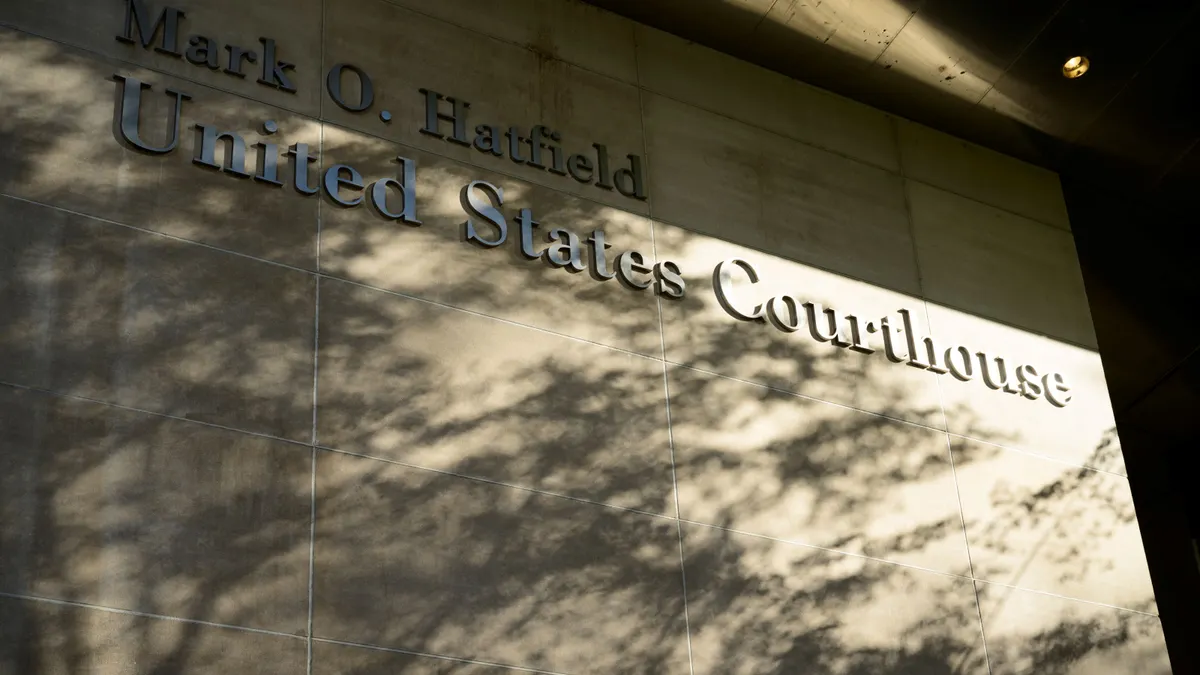
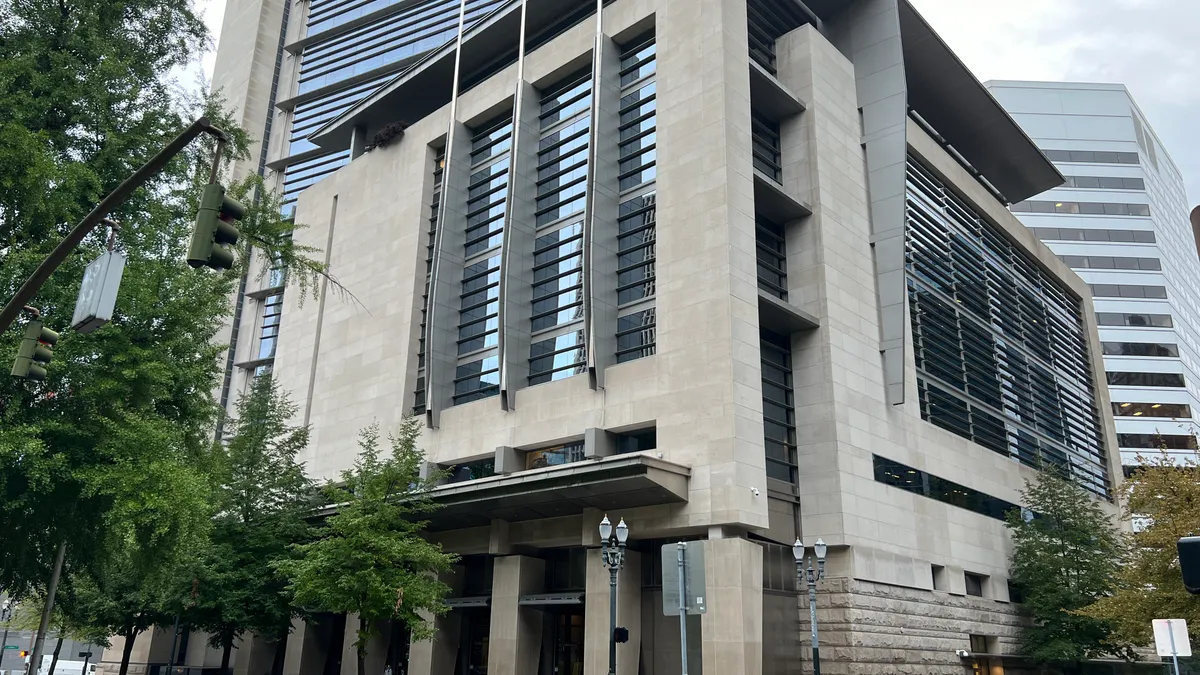
The amended complaint follows a judge in Oregon upholding the constitutionality of the packaging EPR law there, a decision that plaintiff NAW has since decided to appeal. NAW’s argument largely centered on the Due Process Clause and Dormant Commerce Clause.
A press release from plaintiffs says California “lacks the recycling capacity, viable packaging alternatives and cost controls needed” to meet SB 54’s requirements.
“California should use SB 54 to help build those recycling options instead of setting requirements that move faster than the recycling system itself,” the Flexible Packaging Association said in a related statement. “Flexible packaging is part of a more sustainable future and the recycling infrastructure must be there to support it.”
A hearing is scheduled in San Diego for Nov. 9. Judge William Q. Hayes is overseeing the case in the U.S. District Court for the Southern District of California.