
Polypropylene isn’t being recycled at the same rate as more established plastics found in curbside bins, but major recyclers see opportunities to capitalize on the material as a valuable source of food-grade resin for packaging and foodservice items.
Executives from both WM and Republic Services recently spoke about their companies’ investments in improving PP recycling from curbside streams. They’re driven by market demands from brands, as well as recycled content laws and other policy drivers.
“There is demand for this material today. There's not enough supply, and there will be more demand in the future,” said Pete Keller, vice president of recycling and sustainability at Republic Services, during a webinar last week led by the Foodservice Packaging Institute.
Republic actively wants to collect and sort more PP, “and I know that our largest competitors would say the same thing,” Keller said.
This demand comes as recycling rates for PP are catching up to those of more established plastic recycling streams like PET or PE, said Scott Trenor, technical director at the Association of Plastic Recyclers, during the webinar.
“It's really a new stream, and there’s only been value in separating that out over the last 10 years or so. Not all of the MRFs or recycling centers across the U.S. had that equipment,” Trenor said. ”It’s taken years to build up that infrastructure, and I'm pretty sure it'll hit the same recycling rates as PE and PET pretty shortly.”
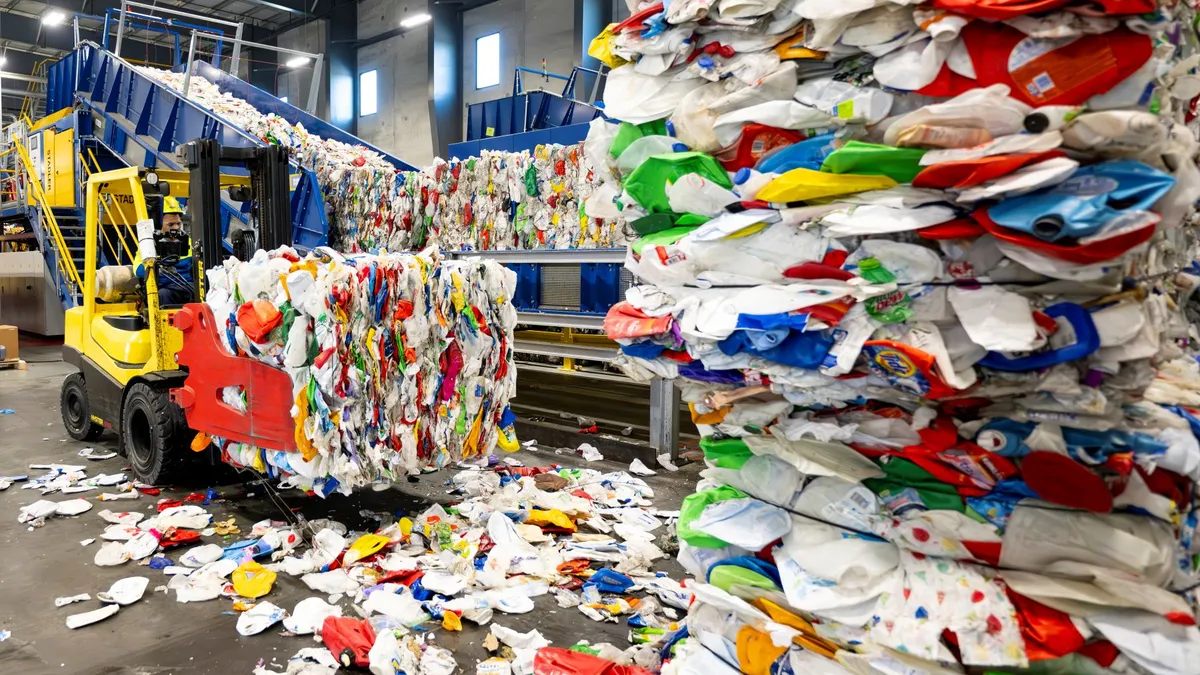
Republic Services is betting on PP recycling as part of its larger infrastructure buildout for its polymer centers. Those facilities focus specifically on plastics sortation for PP along with PET and HDPE.
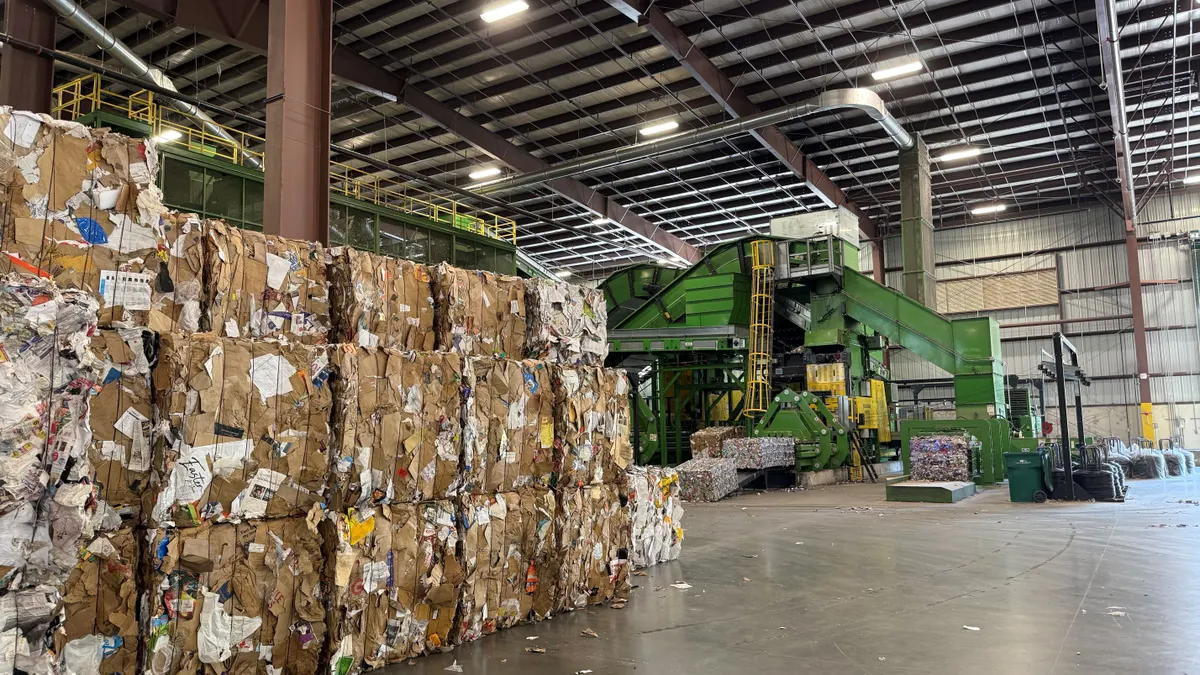
Republic anticipates opening its newest polymer center in Allentown, Pennsylvania, early next year. Other centers have been operating in Las Vegas and Indianapolis for a few years. Republic has invested millions of dollars into its polymer centers, which use optical sorters, vision recognition and artificial intelligence to sort clean bales. It invested around $85 million for its Indiana polymer center, it announced in 2025.
“We're looking to get these materials back into consumer packaging, including the polypropylene,” Keller said.
Overall, recycled plastics represent about 7% of the recyclables Republic’s MRFs sort and sell by weight, and PP makes up just 1% of that. The polymer centers are a way to consolidate those smaller streams into one facility that can more economically process the material, he said.
Republic sends the majority of its high-grade bales to its joint venture, Blue Polymers, which further grinds, washes, extrudes and pelletizes the PP. One Blue Polymers location in Indianapolis is already producing PCR pellets, and a second location is being built in Arizona to support the Las Vegas polymer center.
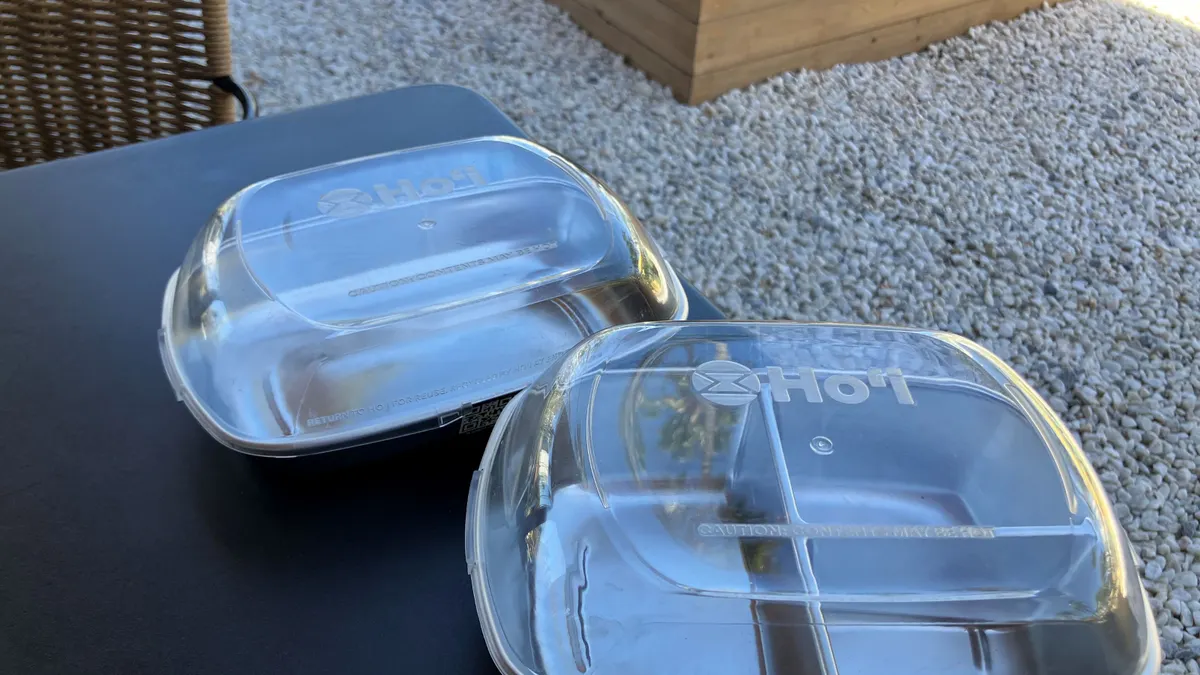
Having an FDA letter of non-objection for certain food-grade resin applications has been important for Blue Polymers’ operations and end markets, Keller said. Its PP-specific LNO is limited to raw produce and eggs, but Republic plans to conduct tests in December to collect technical data needed to expand the LNO to other packaging applications, such as those for dry food, hot fill, refrigerated products and microwave-safe containers, he said.
WM is also working to expand its collection and end markets for PP. The company says it has increased the amount of PP it recycles by 250% since 2019.
WM announced yesterday that it would provide about 25 million pounds of recycled PP a year to PureCycle, a company that uses a dissolution process to make a post-consumer PP resin called PureFive. The resin meets FDA standards for food-contact applications, the company says.
WM and PureCycle have already worked together on other PP recycling projects, most recently a souvenir cup collaboration with Major League Baseball and packaging companies Aramark and Churchill Container. The souvenir cups, made with recycled PP, are recycled back into recycled resin, the companies said in an announcement in July.
Strengthening PP recycling “requires strong end markets for what is recycled, and businesses and brands committed to using domestic recycled content,” Ryan Nordt, executive director of recycling for WM, said in a statement.
WM has previously invested in a range of MRF automation upgrades it says make it easier to sort PP and other plastics in a more economical way, cutting down on logistics issues. That’s coupled with WM’s decision a year ago to add PP plastic cups, along with paper to-go cups, to its universal list of accepted recyclable materials.