Dive Brief:
- The Greater Augusta Utility District, a regional public water utility in Maine, filed a lawsuit last week against five paper and packaging companies for allegedly contaminating local waterways with PFAS, commonly referred to as “forever chemicals.”
- Huhtamaki and Sappi North America are named as defendants for their paper and packaging operations, alongside tissue producers Kimberly-Clark, American Tissue Corp. and American Tissue Mills of Maine.
- The utility requests a jury trial. It wants the defendants to pay past and future costs incurred to remediate PFAS from the water supply and its sources, along with other compensatory costs related to negligence and “continuing public nuisance.”
Dive Insight:
This lawsuit adds to the growing number of cases targeting corporations for their alleged roles in releasing per- and polyfluoroalkyl substances into the environment or drinking water and putting citizens’ health at risk.
Numerous paper and packaging companies have been named as defendants in such cases. These companies include Seaman Paper in Massachusetts; Domtar, Georgia-Pacific and Ox Industries in Michigan; and Ahlstrom and Graphic Packaging International in Wisconsin, among others.
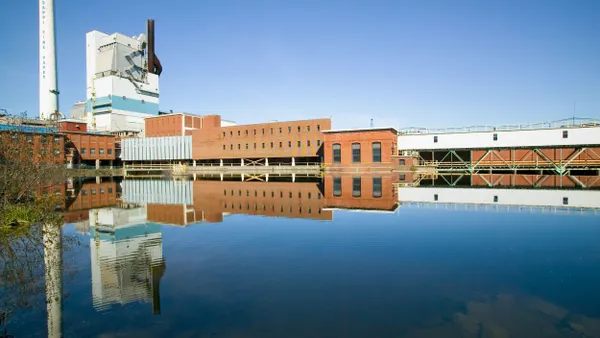
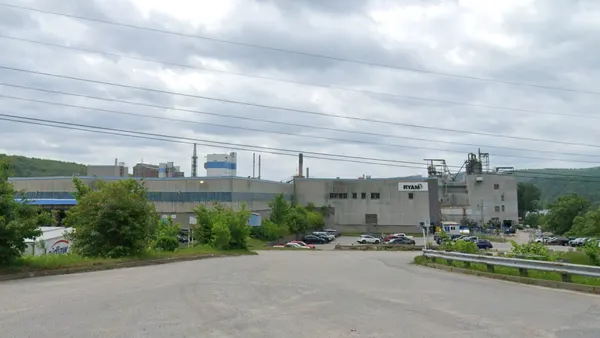
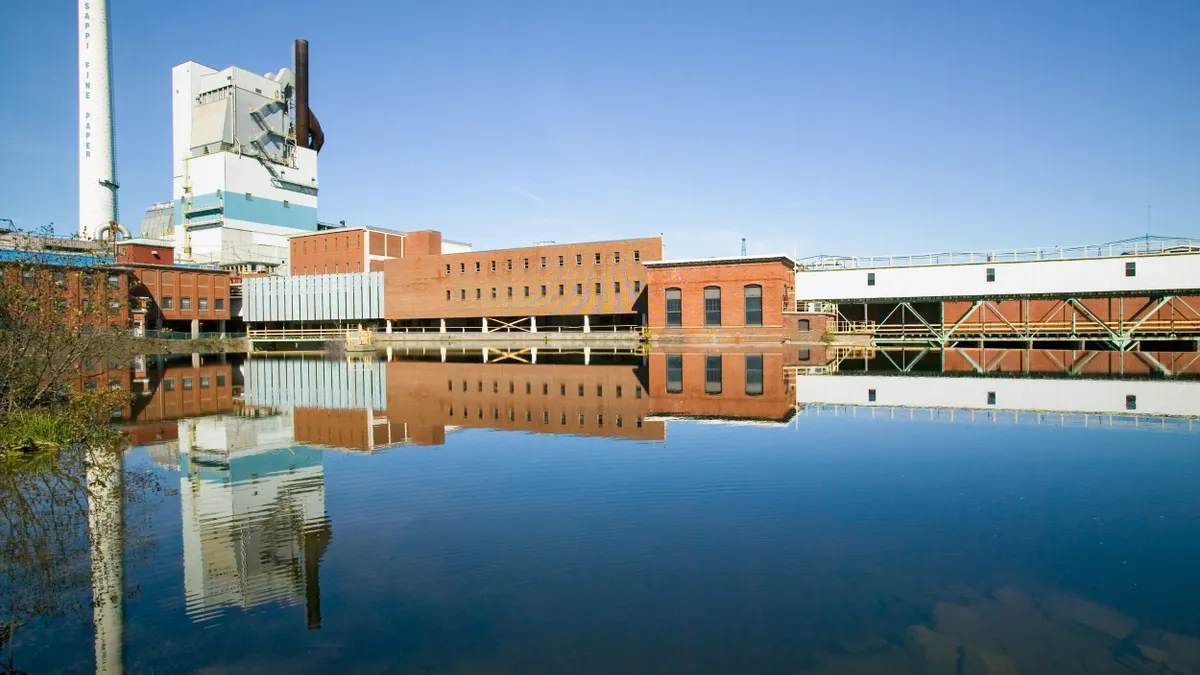
Finland-based Huhtamaki is named in the Maine lawsuit for activity at its site in Waterville that manufactures molded fiber foodservice ware and Chinet brand plates. Boston-based Sappi North America was included related to its mill in Skowhegan that manufactures fiber products including solid bleached sulfate paperboard used for making items such as cups and folding cartons. Last year, Sappi completed a $500 million replacement of a paper machine at that mill.
A Huhtamaki spokesperson told Packaging Dive via email that the company is aware of the complaint and is reviewing the allegations. “Once we have reviewed the complaint, we will respond through the legal process and defend our position,” the spokesperson said. Sappi North America did not respond to a request for comment.
PFAS had been used at least since the 1960s in the manufacturing of paper and packaging, according to the lawsuit. They were commonly used as a barrier to protect substrates from elements such as grease, moisture and heat, including in fast food wrappers and microwave popcorn bags.
More than a dozen states have passed bans on PFAS in food packaging, but no such federal regulation exists. Last month, legislators introduced a bill in the Senate to prohibit manufacturers from intentionally adding PFAS to food packaging. That followed members of the House introducing a similar bill in July. Alongside regulations and lawsuits, many brands and packaging companies have voluntarily phased out PFAS use as knowledge and public ire grows about PFAS’ link to negative health effects.
However, companies consistently note the difficulty in identifying safer alternatives that are effective for fiber packaging. PFAS also have proven tricky to fully eliminate, as evidenced by the chemicals lingering on manufacturing equipment even years after companies stop using them, thus contaminating future products. Plus, recycled fiber used as feedstock can still contain PFAS, as noted in the lawsuit.
Mills releasing effluent into waterways has been a leading source of PFAS tied to the paper and packaging industry. The lawsuit complaint says that the Kennebec River feeds some of the Greater Augusta Utility District’s groundwater wells used for drinking water. The river flows past multiple paper and packaging companies that for decades discharged wastewater into the river.
The court document says that multiple tests at certain wells showed PFAS levels above 4 parts per trillion, which is the U.S. EPA’s enforceable threshold for PFOA and PFOS in drinking water. Some subsequent tests at the sites suggested that the PFAS contamination worsened over time, the complaint says.
The lawsuit alleges the defendants “knew or should have known” about the PFAS and failed to notify the utility. This delayed the Greater Augusta Utility District’s ability to take remediation measures, the complaint alleges. The lawsuit also says that Sappi continued to release PFAS after becoming aware of the test results and that Huhtamaki “continues to convey PFAS-containing process wastewater.”