Companies constantly innovate and redesign their packaging to boost performance, enhance sustainability and improve marketability. Here’s a look at five recent packaging developments on Packaging Dive’s radar.
Snack attack
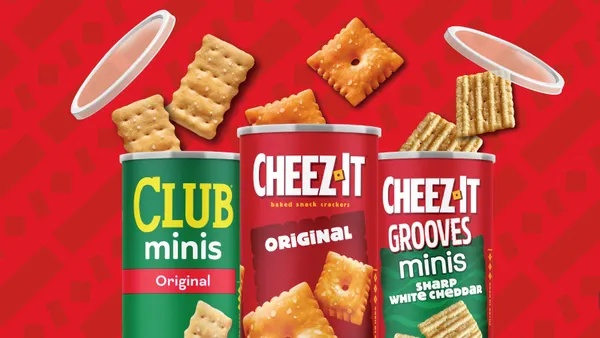
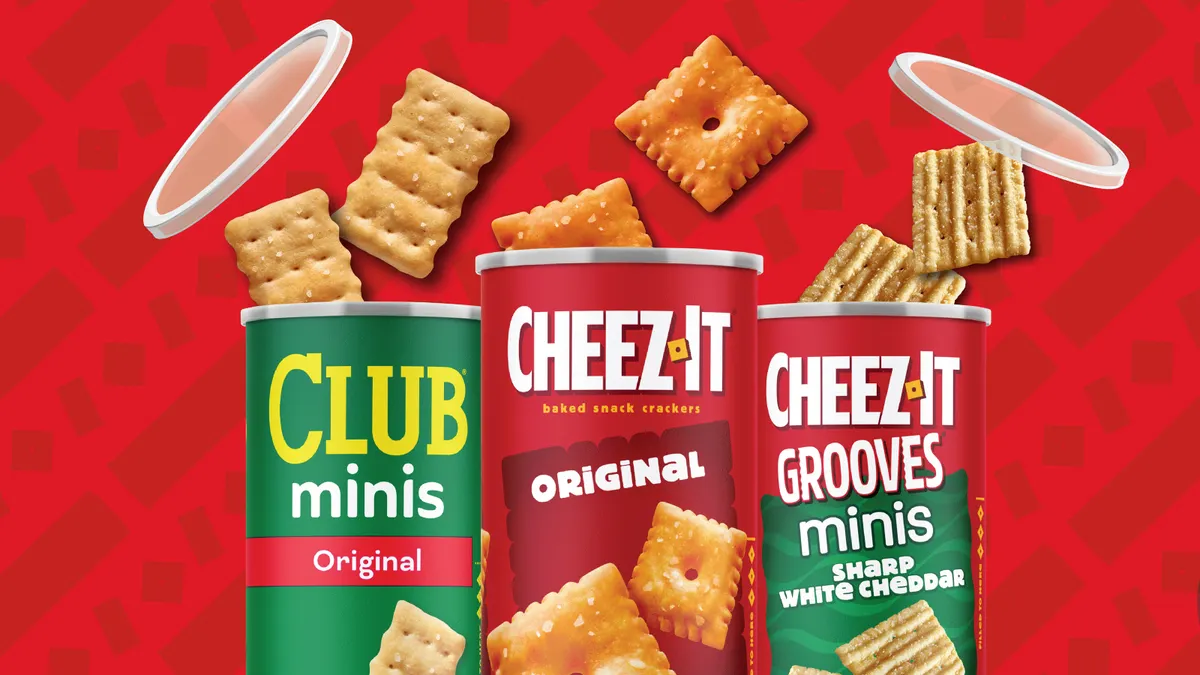
Sonoco confirmed to Packaging Dive that it’s the packaging manufacturer behind the paper cans that Mars Snacking is switching to for some of its popular crackers.
Mars Snacking announced in September that it’s offering certain varieties of Cheez-It and Club crackers in resealable cans. One of the key features is the freshness these cans provide, with the company saying in a news release that “every cracker stays crunchy from the first bite to the last.” The company also is highlighting the cans’ greater portability over other packaging formats.
“By bringing these popular Cheez-It and Club crackers to this grab-and-go format, we're giving people a simple way to enjoy their favorites anywhere, anytime,” said Nicole Sorensen, vice president of marketing for crackers at Mars Snacking, in the news release.
Three years ago, before the cracker brands were in Mars Snacking’s portfolio, then-parent company Kellanova announced that it had optimized the packaging for these products and others to reduce the material weight.
Also in 2023, Sonoco partnered with Kellanova to launch its rigid paper-bottom cans for Pringles chips. The packaging company has invested heavily in the product since then, noting strong demand. In 2025, Sonoco confirmed that it would invest in expanding four paper can manufacturing sites in the United States. This year, the company opened a large paper can manufacturing plant in Thailand that’s attached to a Pringles factory and confirmed that it’s adding another paper can line at its West Chicago, Illinois, plant.
Flipping its lid

Amcor worked with pet food brand Ge Wu An on what it calls the “first commercial deployment of an inverted-cup packaging format in China.” They developed this solution to address consumer frustrations with serving wet pet food from traditional cans, namely that bits of food can remain in the container.
The new format has a bottom seal that lets consumers “simply peel, invert, tear and lift to release the entire meal cleanly into a bowl in one piece without scraping or scooping,” according to a news release. The polypropylene cup body has top lidding film and bottom seal film.
Unlike traditional metal pet food cans, this format does not have sharp edges or pull rings that can break, according to Amcor. And it weighs less than traditional aluminum cans.
Signed, sealed, delivered
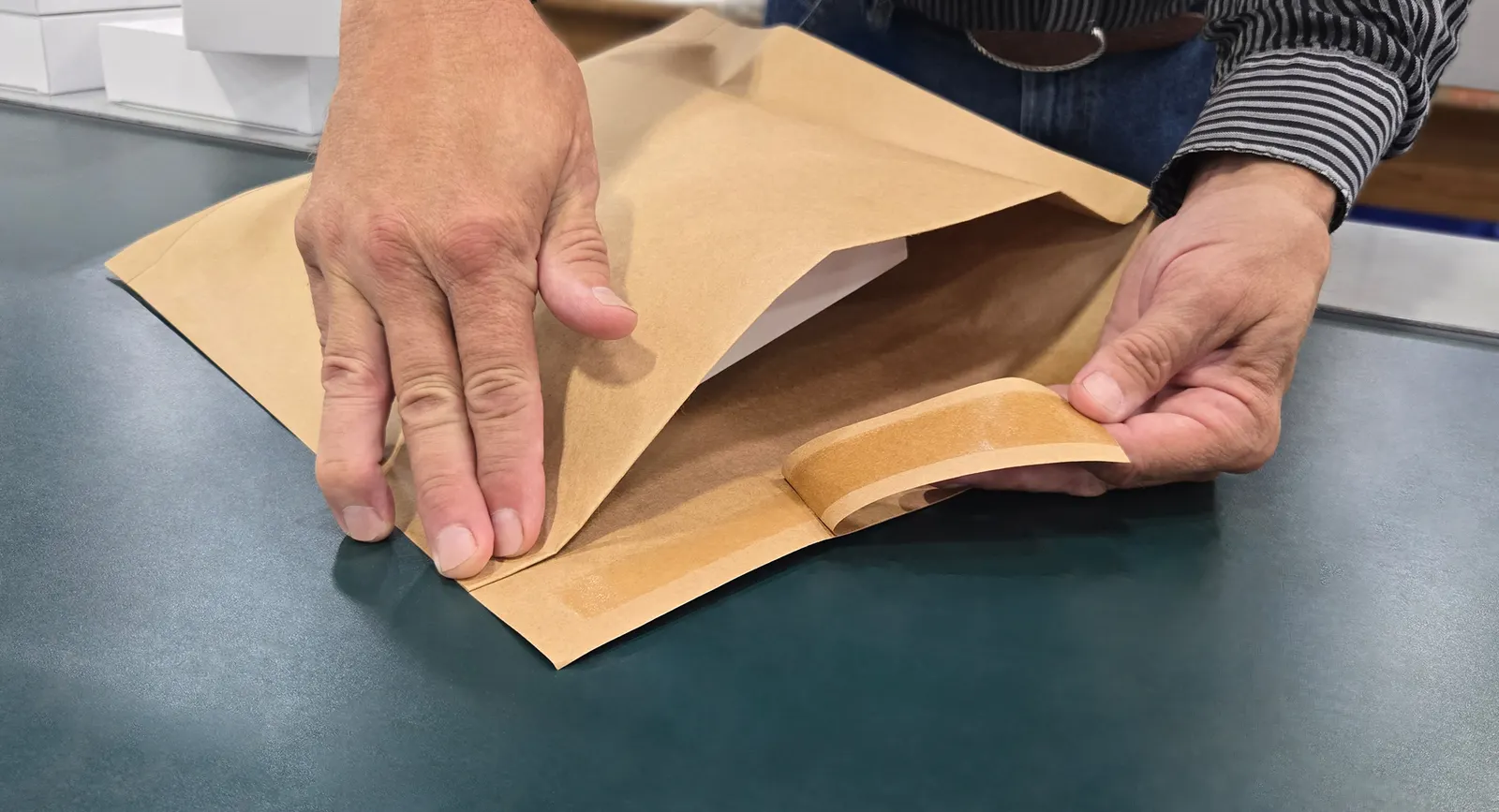
R.R. Donnelley debuted a fiber mailer with a unique paper-based peel-and-seal tear strip that it says is an alternative to conventional plastic closures. The company says this feature enhances the product’s curbside recyclability.
The flat, unpadded VersaPac FastTrack mailer features an “instant-bond adhesive for high-speed fulfillment,” according to a news release. RRD released this product as demand for mailers booms.
“The market for paper mailers has seen explosive growth in recent years, driven by both regulatory pressure and a clear consumer preference for eco-friendly shipping,” said Craig Lombardi, vice president of business development for integrated packaging, in the news release.
Small wonder
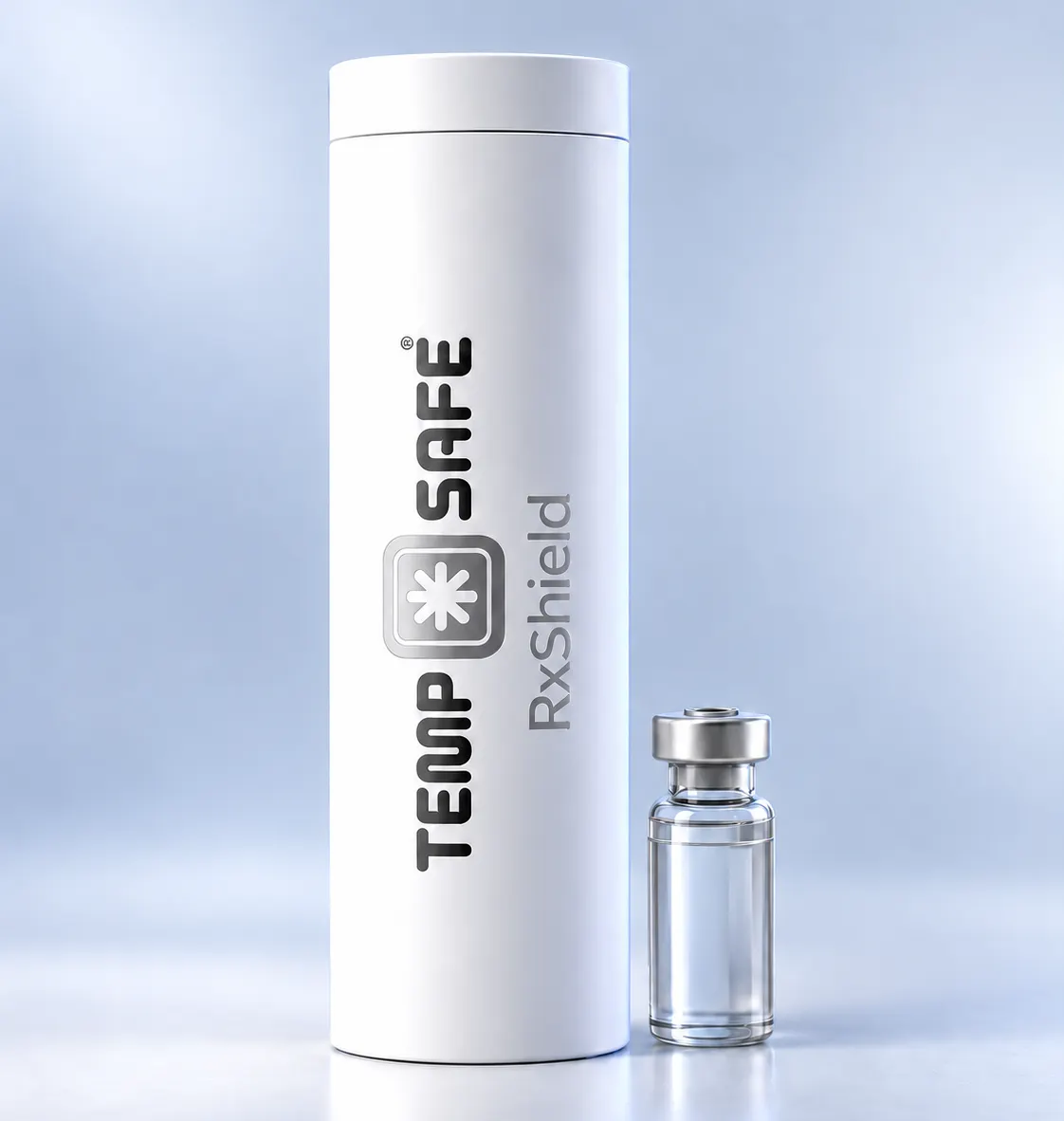
Veritiv introduced TempSafe RxShield, a compact cold-chain packaging solution intended for pharmaceuticals such as GLP-1 drugs.
The metal canister has a foam buffer and screw-on lid. It’s designed to maintain refrigerated temperatures for up to 36 hours. The package weighs about 240 grams, and the smaller dimensional weight than competing options helps reduce shipping costs, according to a news release.
This design also supports a simplified packout process that can boost fulfillment efficiency, according to Veritiv.
Food flex
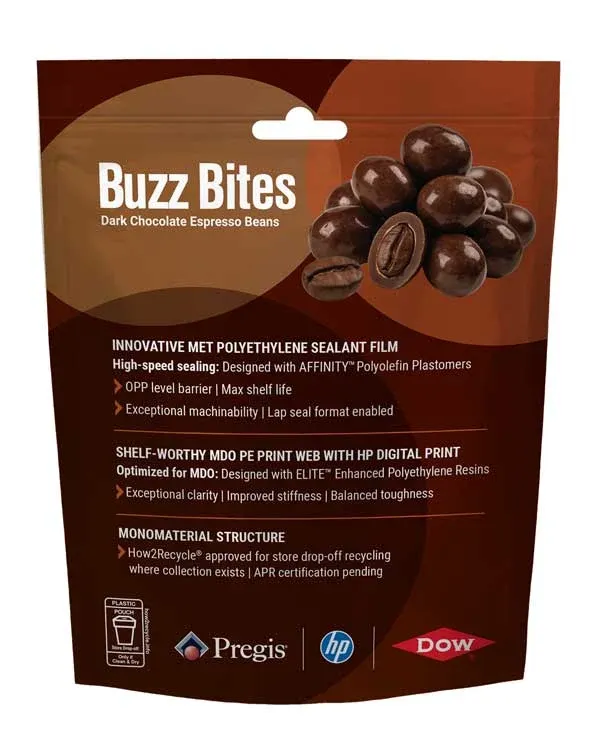
Pregis launched a metallized polyethylene sealant film for food applications that typically use metallized oriented polypropylene or metallized PET, such as coffee, pet food and snacks.
The monomaterial is prequalified as store drop-off recyclable through the How2Recycle program, according to a Pregis news release. And it provides barrier performance and processability comparable to legacy materials, the company says.
“Our job was to deliver a recycle-ready answer that performed the same way on [converting] equipment,” said Bob Gargione, president of performance flexibles, in the news release.